
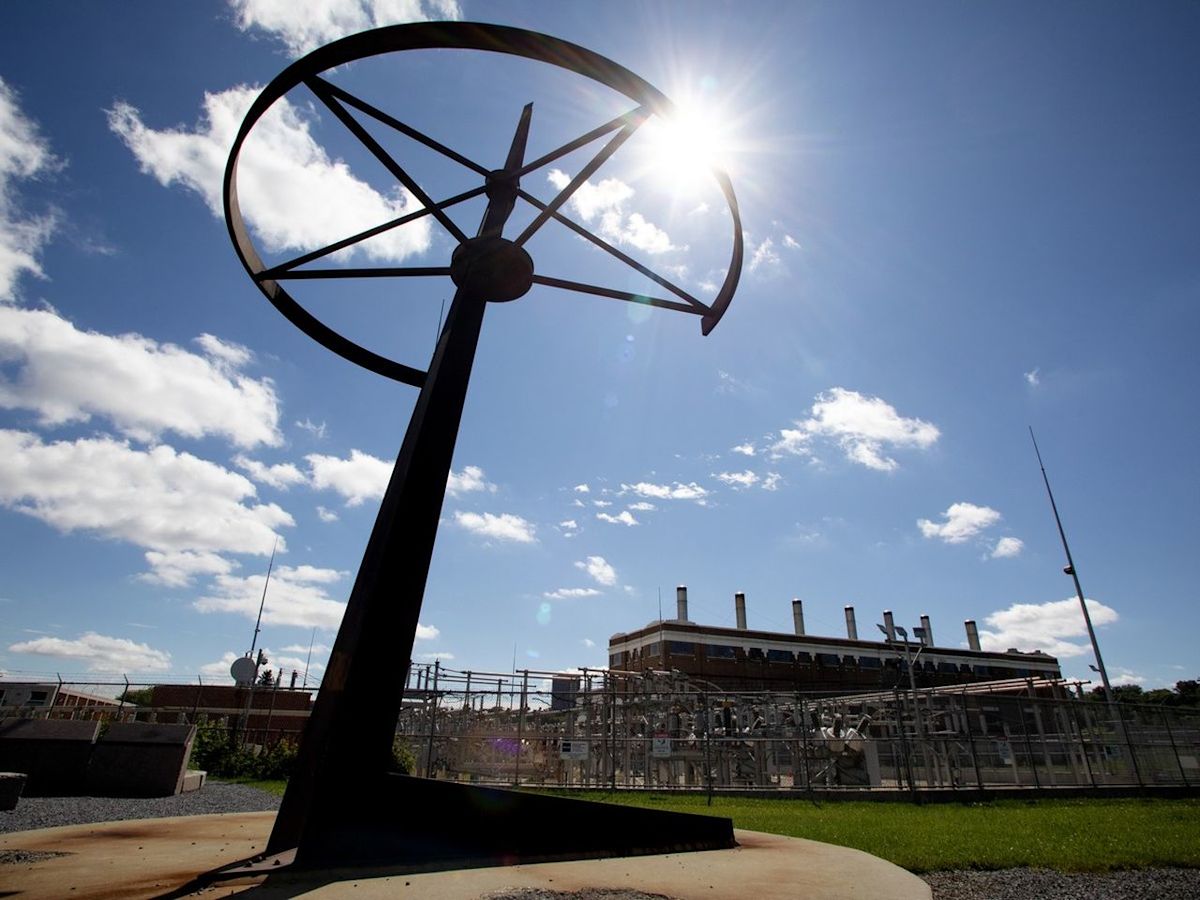
On Sept. 1, city council will debate the city’s Heritage Places Strategy (HPS), a report a year and a half in the making.
Goals include widening the lens to include natural heritage, Indigenous history and, as its name suggests, “places.”
There is much to admire in the report — the idea of heritage being applied to whole neighbourhoods, for example — but the report gives only passing treatment to Edmonton’s most prominent heritage feature: Ross Flats. Imagine a report on Canadian history that doesn’t remark on the Battle of the Plains of Abraham, the Riel Uprising of 1885, or the building of the CPR.
The HPS report does briefly allude to the Heritage Interpretive Plan for River Crossing (modern name for Ross Flats). Although nearly 10 years old, the plan has merit inasmuch as administration was recently pressed by a councillor for assurances that it was still helping guide Rossdale development.
A major difference between the two reports is the Heritage Interpretive Plan was more freely conceived, since it was written prior to the vision of towers with 2,600 housing units and commercial space. Given the short shrift Rossdale is given in the newer HPS report, one wonders if administration, with their eye on the towers, has cautioned its authors to take a hands-off approach to Rossdale Flats.
Another difference is the interpretive plan simply identifies Rossdale as the premiere historical site in Edmonton. “The heritage of the River Crossing area is long, rich and complex.” It states, “the River Crossing area is the heart of Edmonton, through a familiarity and appreciation of the people of all backgrounds who shaped it.” It refers to a Cree woman passing on craft and traditions to her Métis children in the fort. It also mentions “known historical figures in the River Crossing area, for example, Marie-Anne Gaboury-Lagimodière, Chief Lapotac, Chief Papaschase, Père Lacombe, Reverend Rundle, Donald Ross and Sir Wilfrid Laurier.”
The Rossdale Historical Land Use Study (2004) conclude the Flats area’s “natural and human history” make it a possible “nationally significant place.”
But the Vertical Village vision still circulating, intercedes.
The Heritage Interpretive Plan, though it imagines some development occurring in Rossdale, still calls for “planning for vistas and viewsheds to be a key part of the overall organization of elements within the River Crossing area.” It calls for “groves and secluded paths, wooded or heavily canopied areas.” Its photos of other historic sites like Batoche show mostly intact landscapes unencumbered by modern buildings. The intent, according to the plan, is to create “feelings of comfort and safety that encourage people to want to stay in the area for an afternoon or a lifetime.”
The question is how do you get viewsheds and vistas when the River Crossing vision is to create a cluster of highrises and medium towers, some of them half-encircling a small “Indigenous park”? In July, council voted to increase tower heights in Rossdale to 15 storeys. It’s well known open space enhances a historic place. It provides context for understanding events, it protects human history lodged beneath the surface, and it fosters a sense of place.
Just after increasing the tower heights in July, the city revealed it’s beginning negotiations — that are murky at best — with the Treaty Six Confederacy and other MOU partners, regarding ownership and plans for the Flats. The heritage interpretive plan calls for seeing the river flats through the eyes and “experience of the ancestors of First Nations people who used and occupied” the area. Yet in its section on engagement, the HPS report fails to mention the “Stragglers,” an Indigenous group that has ancestors buried in Rossdale’s memorial cemetery.
Eighty per cent of the open space in the area is owned by the city. A golden opportunity exists to recognize and better understand the “long, layered and complex history of the Rossdale Flats.”
Plowing ahead with the River Crossing Business Plan is like throwing away family albums — the city loses forever its deepest link to its past. History can’t just be found on a plaque. When council debates the HPS report, the elephant in the room has to be how Ross Flats gets just passing mention — especially when it’s well positioned to satisfy the report’s key goals of highlighting Indigenous history, natural heritage, and special places.
An updated land-use study of Rossdale and citywide engagement on the future of Ross Flats is badly needed.
Eric Gormley is a board member for Edmonton River Valley Conservation Coalition.
Letters welcome
We invite you to write letters to the editor. A maximum of 150 words is preferred. Letters must carry a first and last name, or two initials and a last name, and include an address and daytime telephone number. All letters are subject to editing. We don’t publish letters addressed to others or sent to other publications. Email: letters@edmontonjournal.com
Bookmark our website and support our journalism: Don’t miss the news you need to know — add EdmontonJournal.com and EdmontonSun.com to your bookmarks and sign up for our newsletters here.
You can also support our journalism by becoming a digital subscriber. Subscribers gain unlimited access to The Edmonton Journal, Edmonton Sun, National Post and 13 other Canadian news sites. Support us by subscribing today: The Edmonton Journal |The Edmonton Sun.