

Listen to this article
Estimated 4 minutes
The audio version of this article is generated by AI-based technology. Mispronunciations can occur. We are working with our partners to continually review and improve the results.
Amid an ongoing fraud investigation and costly infrastructure problems, London Health Sciences Centre (LHSC) has a new – and much furrier – challenge on its hands: groundhogs.
In a memo sent to staff, which was reviewed by CBC News, the centre’s Support Services department said groundhogs have begun burrowing at multiple LHSC locations, such as Victoria Hospital, Children’s Hospital and University Hospital.
“Groundhogs have high potential to injure themselves and damage critical infrastructure at LHSC by burrowing through or chewing on systems like electrical networks,” the email said.
Evidence of groundhogs started popping up within the last two weeks, said LHSC’s director of facilities operations Chris Askew.
“We’ve had similar situations at a couple of our sites. It happens,” Askew said. “We have large sites so nature does tend to find locations of where they want to create their homes and sometimes it’s around our sites.”
Askew said his main concern with groundhogs on the property is the risk of them interacting with the plumbing and electrical systems that run underneath the LHSC grounds.
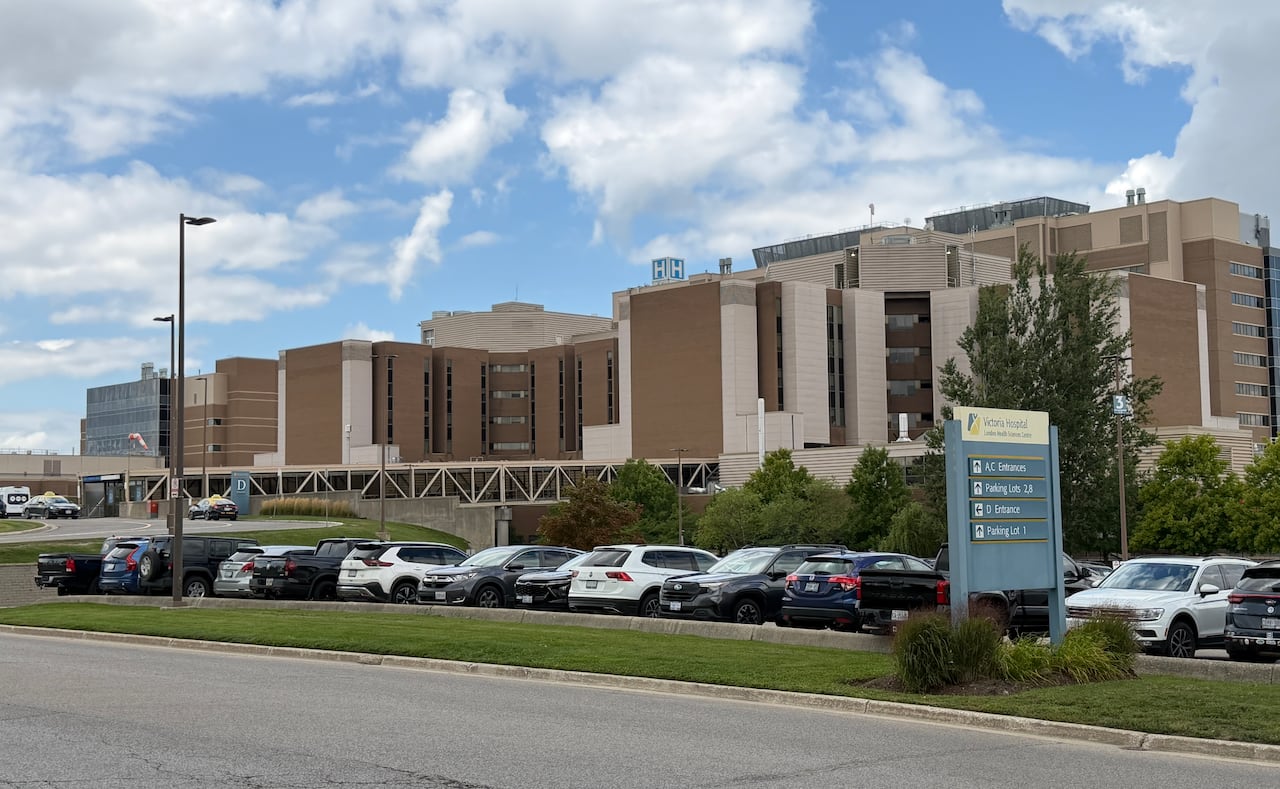 London Health Sciences Centre is monitoring groundhogs across its locations, including Victoria Hospital, Children’s Hospital and University Hospital. (Kendra Seguin/CBC News)
“If they were to come in contact or connect with them, that can have an impact on our operations. We want to make sure that doesn’t happen, and we also want to keep them safe at the same time.”
It’s not unusual for a groundhog to chew through a wire, according to Jared John Pineda, who works with Forest City Wildlife Removal.
“They chew through anything in their path,” Pineda said. “They might also confuse an electrical wire for a root because they probably don’t really know what an electrical wire is.”
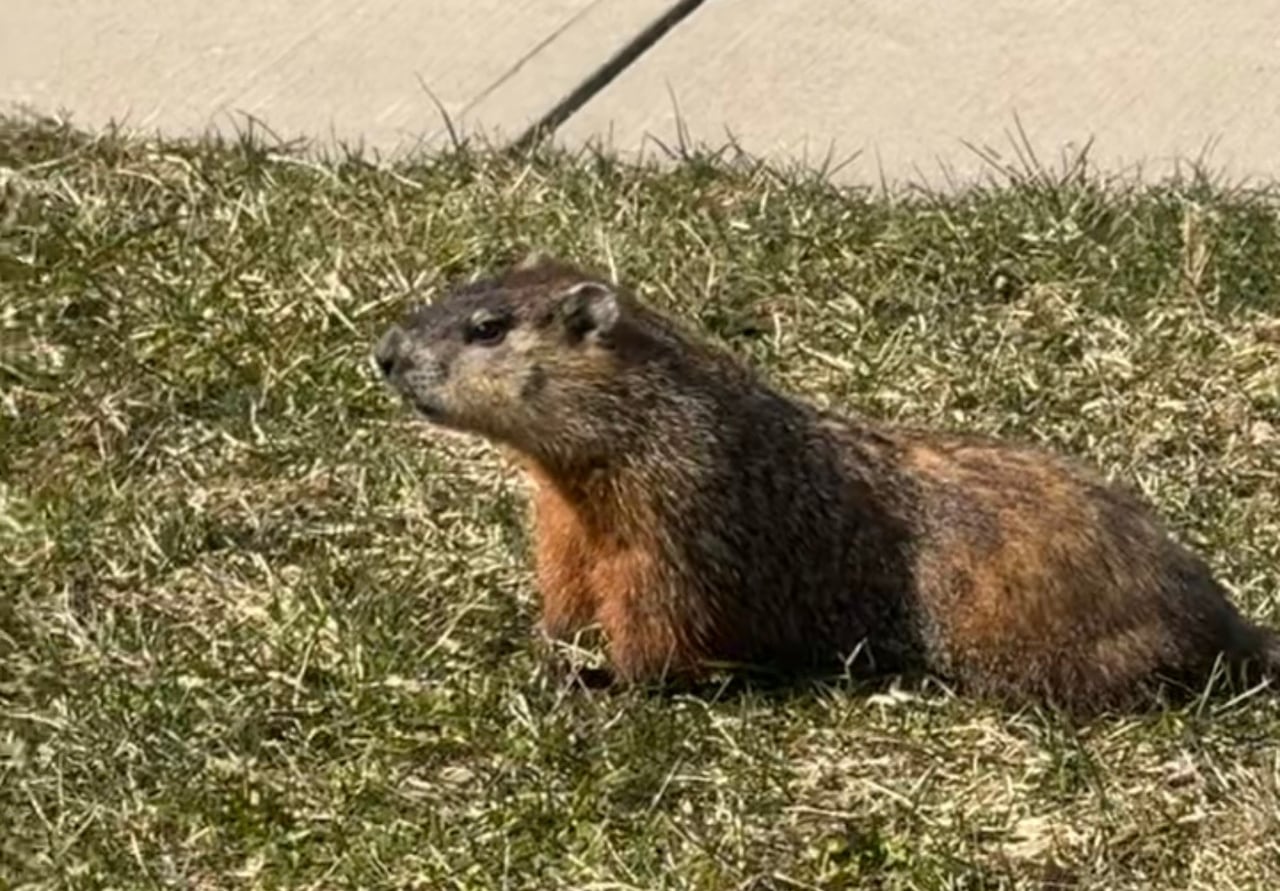 Some wildlife removal companies in London, Ont., say they are getting more calls about groundhogs. (Submitted by Jared John Pineda)
The hospital is working with an external wildlife removal company to relocate the groundhogs with traps, Askew said.
“We are doing this for the safety of the groundhog as well as everybody else,” he said.
The memo sent to staff specifies Abell Pest Control is relocating the animals. The company was not available for an interview before publication.
Hospital grounds attractive to groundhogs
While Askew did not specify the exact locations groundhogs were spotted, he said the animals tend to burrow in more isolated areas with less foot and vehicle traffic.
Pineda said he typically encounters groundhogs in large fields on the outskirts of the city or in residential backyards. There, they are often digging underneath homeowners’ porches, decks, sheds and gazebos, he said.
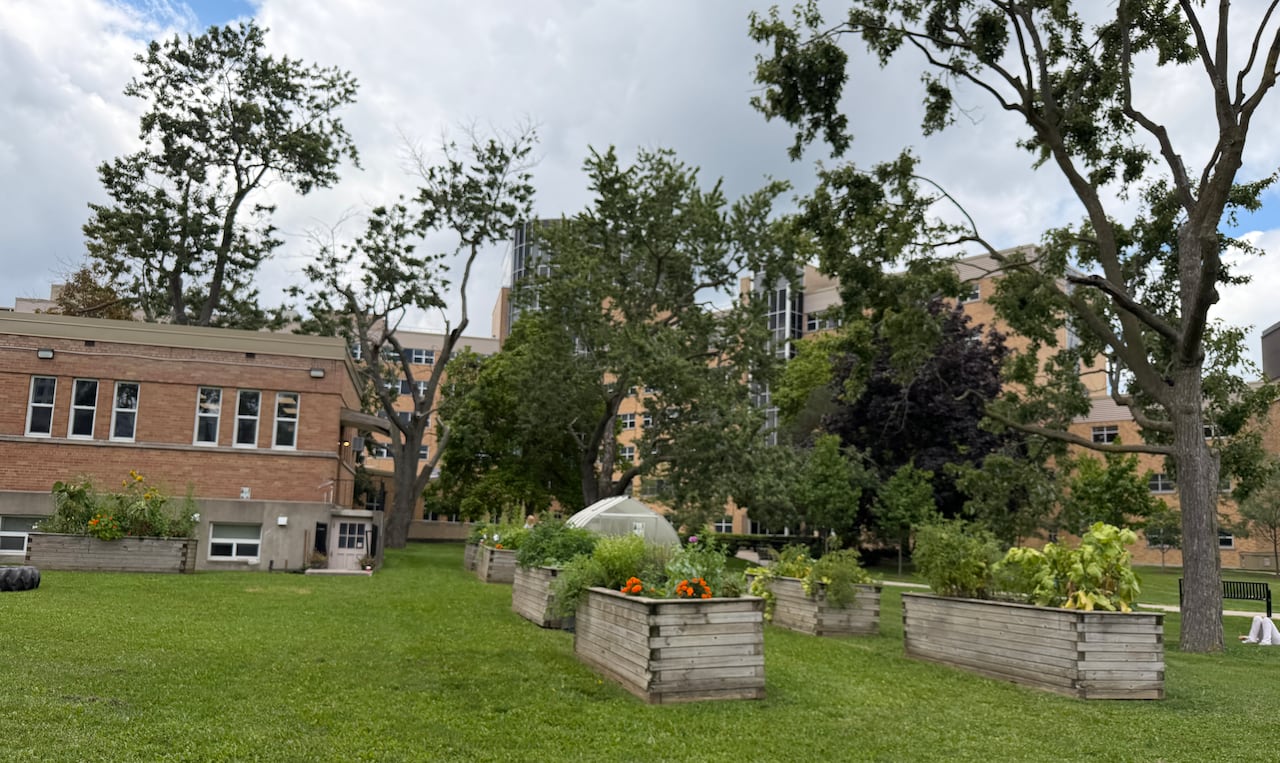 Jared John Pineda with Forest City Wildlife Removal says groundhogs are typically drawn to areas with good soil, plenty of plants and safety from predators. He said the Victoria Hospital grounds could be a good location for them. (Kendra Seguin/CBC News)
“It gives them a place to hide where they’re not being hunted by predators,” he explained.
Groundhogs are likely attracted to LHSC properties for the same reason, in addition to the soft soil and maintained greenery around the buildings, Pineda said.
“There’s a lot of shrubs and gardens that they have around the hospital. It gives them a nice little place to hang out and eat food,” he said.
Nearby construction at the intersection of Wellington and Commissioners may have also pushed groundhogs further into the Victoria and Children’s hospital grounds, Pineda added.
Groundhog calls on the rise
Both Pineda and Professional Wildlife Removal owner Patrick Blewett said they are receiving more groundhog-related calls in the city.
Blewett said it’s not necessarily that there are more groundhogs, but that the rodents are living differently.
“If the city grows and a lot of farmland around the city is now being developed into houses, the groundhogs aren’t actually going anywhere. They’re starting to live and adapt to the urban environment,” Blewett said. “When they used to just live in tunnels under the ground, a lot of them are now utilizing structures as protective spots.”
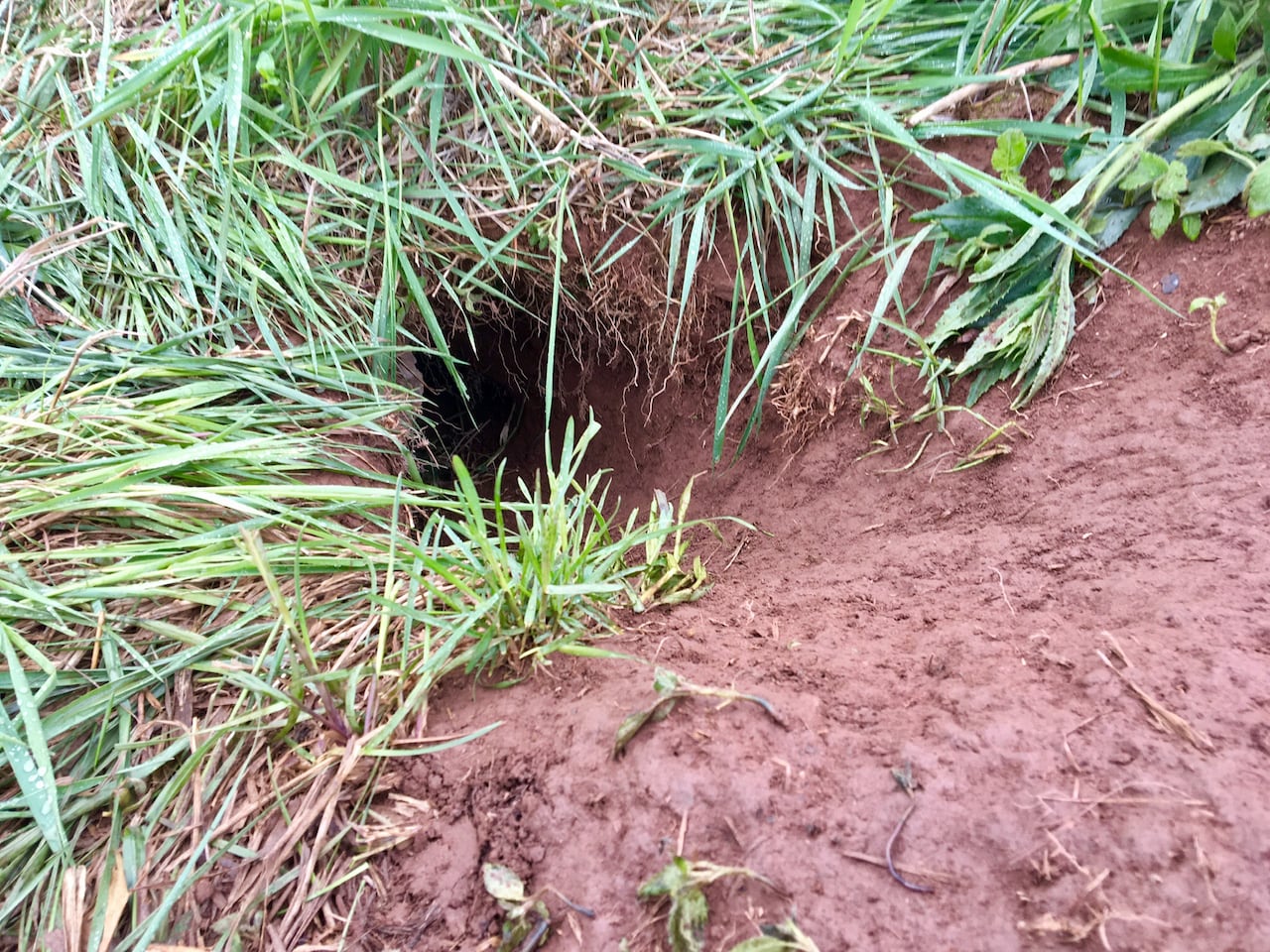 A file photo shows a groundhog burrow. (Tom Steepe/CBC)
Blewett said it ’s unlikely that burrowing groundhogs are capable of damaging the structural integrity of large-scale buildings at LHSC, but it is a risk for homeowners with groundhogs in their own backyards.
“If a groundhog is digging and creating tunnel systems, they’re excavating. Anywhere that dirt is displaced, then potentially all the surrounding dirt could start to cave in.”
Blewett and Pineda both advise reaching out to a reputable wildlife removal company if groundhogs are causing damage to property. Otherwise, they recommend enjoying them from afar.
“Just be respectful and observe it. They’re pretty mild creatures,” Blewett said. “They’re not interested in attacking. They’re just interested in doing their thing.”