

Much of the focus on the Lindsay Clancy case has been on the reported systemic failures of the mental health system, with the hope that this case will revamp the approach to maternal mental health. We, as forensic and reproductive psychiatrists, agree that the system is not perfect. But we are concerned that this focus could have a dangerous unintended consequence: The legal and public scrutiny around the Clancy case could make psychiatrists more reluctant to treat mothers with mental illness.
In an ideal world, all mothers would have easy access to reproductive psychiatrists. The reality is that only about 500 reproductive psychiatrists are practicing in the United States. As a result, general psychiatrists (as in the Clancy case) and OB-GYNs are often the frontline providers for perinatal mental illnesses. Both are trained to assess and treat these disorders but do not have a dedicated focus on them.
This criminal case, which is now with the jury; the civil action taken by Clancy and her ex-husband; and the media coverage have all focused on the alleged failures of the clinicians whom Clancy saw before killing her three children. That raises the possibility that physicians will be concerned that treating a new mother’s psychiatric disorder carries a high risk of liability — and will avoid high-risk maternal patients. As a result, mothers who need psychiatric treatment will find it even harder to obtain it. Already, anecdotally, trainees have expressed concerns to us about their future practices.
Mothers may experience a variety of psychiatric symptoms during the course of pregnancy and the postpartum period. They include anxiety, obsessive-compulsive disorder, mood symptoms, and much less commonly postpartum psychosis. Postpartum psychosis is usually considered a medical emergency, warranting psychiatric hospitalization.
Reproductive psychiatrists have much more experience with these disorders than general psychiatrists do because they have subspecialty training and experience, and devote their clinical work to such mothers. Reproductive psychiatrists evaluate and treat patients — and are often consulted when there is a question about a diagnosis or, more commonly, when a general psychiatrist seeks advice about medication safety in the perinatal and postpartum period.
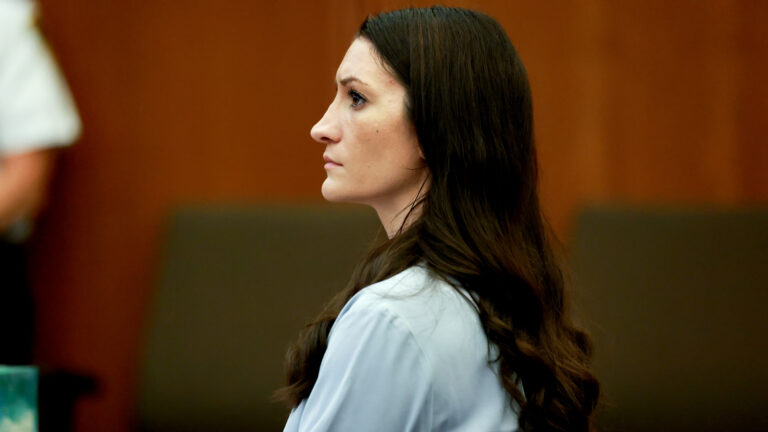
The Lindsay Clancy case shows the limits of postpartum psychiatry
The Clancy case has shone a spotlight on the medical decision-making of the various mental health experts, with the defense and many viewers questioning their competence to treat maternal mental illnesses. The defense has criticized aspects of Clancy’s care, suggesting the treating psychiatrist missed diagnoses, that telehealth visits are inherently inferior, and that inappropriate medication changes were made. We have both been approached by colleagues asking whether the public will now view virtual visits as inappropriate for maternal mental health treatment.
If it happens, that would be a barrier to care. Many mothers who would have difficulty attending in-person appointments — for example bundling up their baby (and possibly another child) to take two buses in the rain— feel much more able to access virtual visits.
In addition to the unintended consequence of general psychiatrists avoiding treating mothers, the larger criticism of the mental health system could result in more cautious, systemic treatment of mothers, such as increased hospitalization for any mother who reports psychiatric symptoms. Intrusive thoughts and depressive symptoms, for example, are not uncommon in the perinatal period and do not usually require hospitalization. The many psychiatrists and trainees following this case may be more likely to err on the side of caution by overtreating these symptoms with unneeded hospitalization (and possible separation from their infant), and potentially inappropriate referrals to child protective services. This then would paradoxically make mothers less likely to report their symptoms, to get the treatment that reduces their risk.
The best response to the Clancy case should be to provide awareness and education to all psychiatrists treating maternal mental illness rather than engender fear and defensive medicine. To that end, dozens of reproductive psychiatrists — including us — worked to create the National Curriculum in Reproductive Psychiatry, an interactive curriculum to teach mental health professionals about reproductive psychiatry. The two of us also led the creation of the American Academy of Psychiatry and the Law’s practice resource document on forensic reproductive psychiatry.
The alternative response is a tragedy in itself: to create an environment in which a mother seeking psychiatric treatment is met with fear, avoidance, and abandonment by a health care system of defensive medicine.
Renee M. Sorrentino, M.D., is a forensic psychiatrist in Boston. She is president-elect of the American Academy of Psychiatry and the Law. Susan Hatters Friedman, M.D., is a forensic and reproductive psychiatrist at Case Western Reserve University. She is past president of the American Academy of Psychiatry and the Law.