
I’m always in the market for accessible fitness tips that actually work and I really can’t think of something that fits that bill more than moving after meals; the most common health tip I am given by fitness experts. So, if you are looking to switch up your routines for the new season, this could bring some real benefits.
The science is compelling: during a post-food stroll, glucose is pulled into the cells of the working muscles, helping you regulate blood sugar levels and, in the long run, protecting you from developing diabetes. It can also reduce bloating, help swerve the usual post-lunch energy slump and support weight loss efforts.
You don’t have to walk for a long time, either. Studies on the topic suggest that just 10 to 15 minutes of brisk walking after meals can deliver these significant benefits, offering an appealing return on investment.
In the mood for an exercise reset, I decided to walk the walk and try this tip for myself – and the results were rather surprising.
The many benefits of walking after meals
The first person to introduce me to “moving after meals” was Dr Elroy Aguiar, an associate professor of exercise science at The University of Alabama, who specialises in walking.
“Immediately after exercise, you get lower blood pressure and lower blood glucose,” he explained. “You’re decreasing the amount of work your pancreas has to do to deal with the extra amount of glucose in your bloodstream.
“That effect, over years and decades, is what prevents you from getting metabolic syndrome, diabetes and hypertension [high blood pressure]. All of these things accumulate slowly over a long period of time, but if you exercise you can reverse them before they become a problem.”
By this logic, exercise in any form might be applied, whether that’s a few bodyweight squats or even the soleus push-up – an innocuous exercise thought to deliver disproportionate health perks.
Research in the Diabetes Care journal backs this up, while a small study published in the International Journal of General Medicine suggests that moving after meals has another benefit too. It found it to be more effective for weight loss than similar strolls at other points in the day.
Since being introduced to these studies, I have encountered plenty more experts keen to promote the benefits of walking after eating.
When I asked cardiologists which daily behaviours they swear by to reduce their risk of heart disease, an overwhelming majority said they try to walk after each large meal.
“It helps your muscles use glucose more efficiently, reduces the spike in blood sugar after meals and can improve insulin sensitivity over time,” consultant cardiologist Dr Francesco Lo Monaco told me. “Those small metabolic improvements reduce the strain placed on your blood vessels and heart, day after day.”
When I recruited a collection of my favourite trainers to share the consistent habits that keep them in tip-top shape I received many similar responses.
Alongside the benefits listed above, walking after meals can also “reduce the likelihood of bloating, regulate blood pressure and, particularly in the evening after dinner, help improve sleep quality,” according to Ollie Thompson, a personal trainer and WellToLead founder.
“Not to mention, it gets my step count up, which brings with it a host of physical and mental benefits.”
Read more: The everyday behaviours cardiologists use to reduce their risk of heart disease
 A brisk 10-minute walk after eating can help your body regulate blood sugar levels and maintain more balanced energy levels through the day (Getty/iStock)
What happened when I walked after every meal for a month
Everybody is different, and everybody’s body is different. What works for one person may not work for another – even if there is a whole host of research to support it. But I was impressed by the impact of walking after meals.
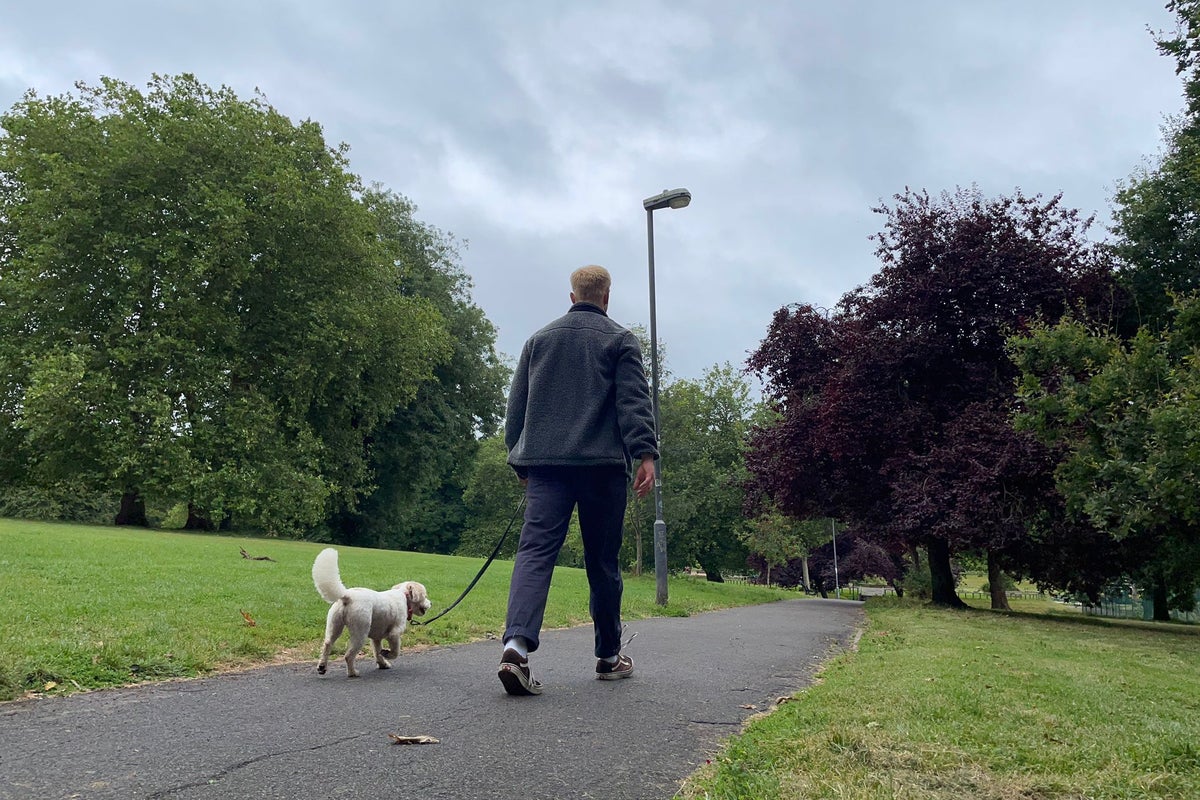
For context, I’m an active 30-year-old who walks a fair amount each day – the result of owning an energetic dog. But these walks tend to fall before and after work, and precede a large meal rather than follow it. So I flipped the script for a few weeks and added a bonus post-lunch stroll to see if it would have any effect.
The first few days were a slog, particularly in the evenings. I tend to use dinner to signal the end of a busy day and the start of my attempts to unwind before bed. Dragging myself out of the house again after downing my cutlery felt clunky and unnatural.
Family members had similar responses. After I told them about the potential benefits of walking after meals, they resolved to give it a go. A couple of weeks later, they informed me they had “given up with that one” because it generated too much friction with their daily plans.
Would I have met the same fate had I not committed to this experiment? Perhaps. But I pressed on.
This impracticality is, perhaps, the biggest issue with walking after meals as a daily habit. Even though it only requires 10 minutes at a time, it’s still tricky to squeeze into the average person’s already-busy routine. But I found the return on investment for doing so was significant.
Read more: Expert coach shares five kettlebell workouts to get you in ‘the shape of your life’
 I found that getting outside more regularly made me feel more energised and boosted my mood (pixabay)
Walking after meals: the verdict
Unlike most fitness interventions where you have to wait weeks or even months to feel the benefits, the effects were immediate. My energy levels were more balanced after my post-lunch walk, leading to more productive afternoons; I was less prone to bloating and other gastrointestinal discomfort; I found my mood was buoyed by the extra excuses to take time away from my desk and my daily step count jumped up considerably.
I didn’t have a lab on hand, so I can’t tell you how it impacted my blood sugar levels and other internal health markers. But suffice to say, walking after meals made me feel better. But it didn’t always sit neatly within my daily plans, and I’m not going to do it after every meal for the rest of my life.
Modern fitness advice tends to be quite binary, taking an all or nothing approach to your health. But I’m not advising you to excuse yourself from the table at weddings, funerals and family dinners to go for a power walk immediately after your last mouthful.
Rather, moving after meals is a useful tool to have in your fitness arsenal. You can use it whenever it’s practical and enjoyable to do so, and make conscious efforts to get on your feet more frequently after eating than you might have done previously.
For example, I found it was really useful to take a step away from my desk for a bit after lunch, leaving me feeling far more refreshed in the afternoon than if I had slumped down and scrolled on my phone.
Should you move after meals? I would say yes – when you can. Because an effective fitness tip should leave you feeling better, not add unnecessary stress to your life.
Read more: I did goblet squats every day for a month and the results surprised me