

Listen to this article
Estimated 3 minutes
The audio version of this article is generated by AI-based technology. Mispronunciations can occur. We are working with our partners to continually review and improve the results.
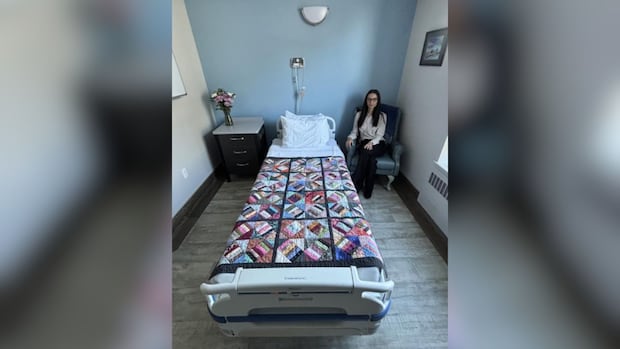
After years of delays, a hospice unit in Lunenburg, N.S., has fully opened to accommodate patients receiving end-of-life care.
The unit at Fishermen’s Memorial Hospital was originally scheduled to open in the fall of 2021. Nova Scotia Health opened two beds earlier this year and officially opened all five late last month.
David Henderson, senior medical director for the health authority’s integrated palliative care network, said delays were due to the COVID-19 pandemic and a shortage of specialized staff.
“It was a long road, but very worthwhile. And people are so excited that this is up and running now,” he said.
Denise Green, executive director of the South Shore Hospice Palliative Care Society, said she toured the unit in mid-August and is pleased to see it finally serving patients and families.
“The feedback has been overwhelming and people are just so happy and grateful,” she said. “[The unit] is being used with love, with passion, with grief.”
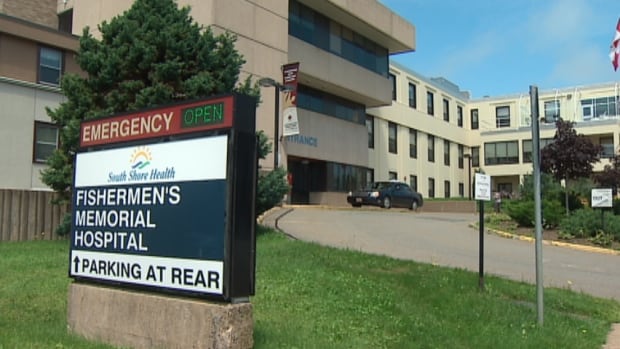 Fishermen’s Memorial Hospital in Lunenburg announced a palliative unit with five beds in 2021. (CBC)Staffing challenges
CBC had previously reported on the challenge of recruiting specialized staff for hospice and palliative care, especially in rural areas.
Through a freedom of information request, CBC News obtained multiple job postings for the unit from November 2020 to January 2025. Many were reposted multiple times, with some attracting fewer than five applicants. The health authority also cancelled some postings due to changes in operational needs.
“Unfortunately, post-pandemic, everybody’s been short for human resources,” said Henderson.
He added that Nova Scotia Health had only one palliative care physician for the district — who was not working full time — when it was trying to get the unit off the ground.
Opening the unit involved extensive planning, recruitment and training of staff, he said.
In June 2025, Nova Scotia Health hired Dr. Patricia Caldeira as the hospice’s medical director to oversee the preparation and launch of the unit.
“She’s done a tremendous job,” Henderson said, noting Caldeira’s work mentoring staff throughout the process.
More demand for hospices, says society
Green said units like this offer patients a compassionate, comfortable end-of-life experience while supporting families through the grieving process.
Unlike emergency rooms, hospice units are tailored for visitors and family members who want to spend time with a loved one.
“It has been an extraordinary step forward and a long step forward, but there’s a great deal of more work to go into,” Green said, adding her organization will continue to advocate for more hospice beds in the community.
According to Statistics Canada, seniors could make up more than 20 per cent of the country’s population by 2030.
Henderson said the health authority is already using the Lunenburg facility as a framework to expand specialized care outside major urban centres.
“It’s really a model that we’re looking at so that we can help have a good place, but without having to invest in a brand new building,” he said, noting the hospice unit was formerly a veterans’ wing.
MORE TOP STORIES