
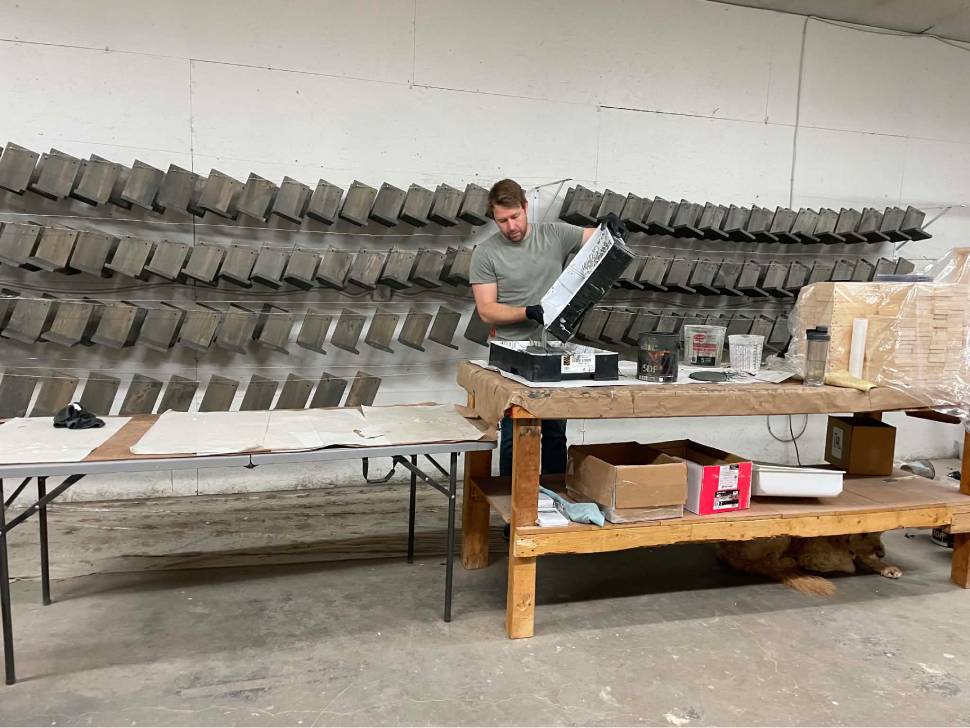
A southeast Manitoba business that once relied heavily on U.S. customers is shifting its focus to Canada as tariffs make it increasingly difficult to compete south of the border.
Daniel Fehr, owner of Daniel’s Plants, started the business about 10 years ago, initially selling biodegradable pots through an online store and Amazon.
The business later expanded into plant shelves and other products designed to display plants and make use of window space.
Fehr says the company has made an effort to use Canadian materials, sourcing its lumber from a nearby mill.
“That’s all Canadian-grown, Canadian-milled lumber and wood,” says Fehr.

However, about 80 per cent of the business’s sales have traditionally gone to U.S. customers because of the size of the American market.
Now, tariffs are forcing the company to reconsider that approach.
.jpg)
“If your costs are 50 per cent more than the next guy, it’s pretty hard to compete.”
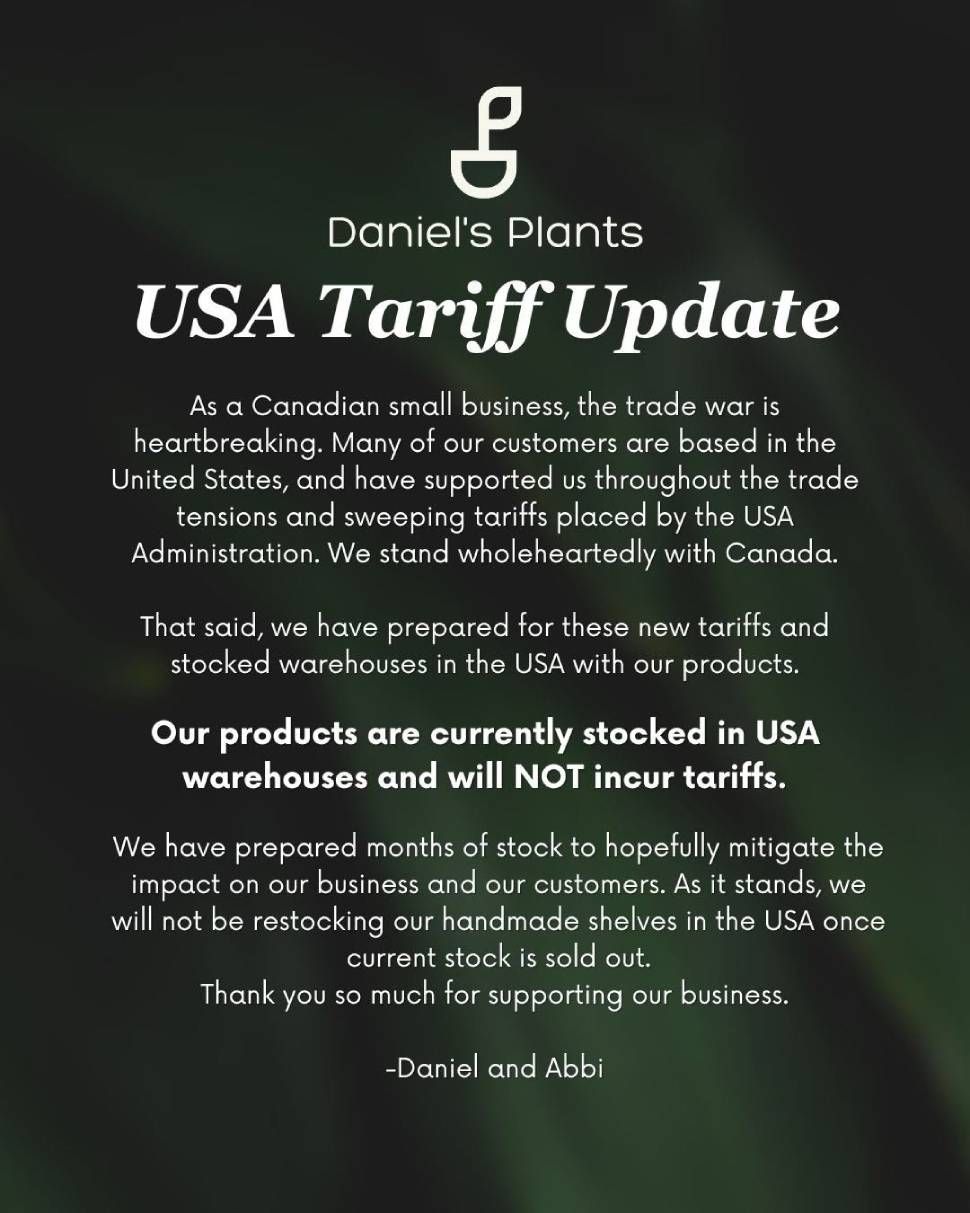
He says the company began preparing for the possibility of tariffs months ago as trade tensions increased.
The business started stocking more products at U.S. fulfillment centres, allowing it to continue serving American customers while navigating changing trade rules.
That preparation means Daniel’s Plants currently has several months’ worth of tariff-free inventory in the United States.
Once that inventory is sold, however, Fehr does not expect to restock those U.S. fulfillment centres unless the tariff situation changes.
“We just can’t compete if we have to pay an extra 50 per cent on our cost of goods,” he says.
Some U.S. customers have reached out to ask about the tariffs and where the products are made.
Fehr says many have been understanding, with some customers even offering to pay additional costs associated with tariffs and shipping.
But he says there is only so much a business can raise its prices before customers stop buying.
The company has already increased its prices this year, but further increases could make its products too expensive for consumers.
With the U.S. market becoming increasingly difficult to serve, Daniel’s Plants is now looking at ways to build its presence in Canada.
That could include changing the company’s product lines to better suit Canadian customers.
Fehr says the shift is not unique to his business, noting many Canadian e-commerce sellers have historically focused on the much larger U.S. market.
He is also encouraging Canadians to consider where they spend their money.
Related Stories:
“Buy Canadian, especially from businesses that are owned by Canadians that make their products in Canada,” he says.
Fehr says the impact of the trade dispute goes beyond individual businesses, affecting the people and investments behind them.
“It’s really too bad because it’s real people, it’s real businesses that are affected by this trade war.”
He describes the situation as a “massive game of chicken” between Canada and the United States, with businesses left trying to plan around constantly changing circumstances.
For Fehr, that uncertainty has already affected long-term business planning.
“In a business, you always have to look forward,” he says.
“You have to look at what’s coming down one year, two years, three years down the road.”
For now, that means looking more closely at the Canadian market and considering what opportunities may come from it.
Fehr says the situation has been difficult, particularly after investing significant time, effort and money into developing products for the U.S. market.
“I’ve lost many nights of sleep, especially in the beginning when all the threats were starting,” he says.
While the uncertainty has become somewhat familiar, he says the potential loss of access to the U.S. market remains a significant blow.
With files from Carly Koop