
Nelson’s WildSafeBC coordinator steps down after grizzly bear deaths
Published 8:37 pm Wednesday, September 2, 2026
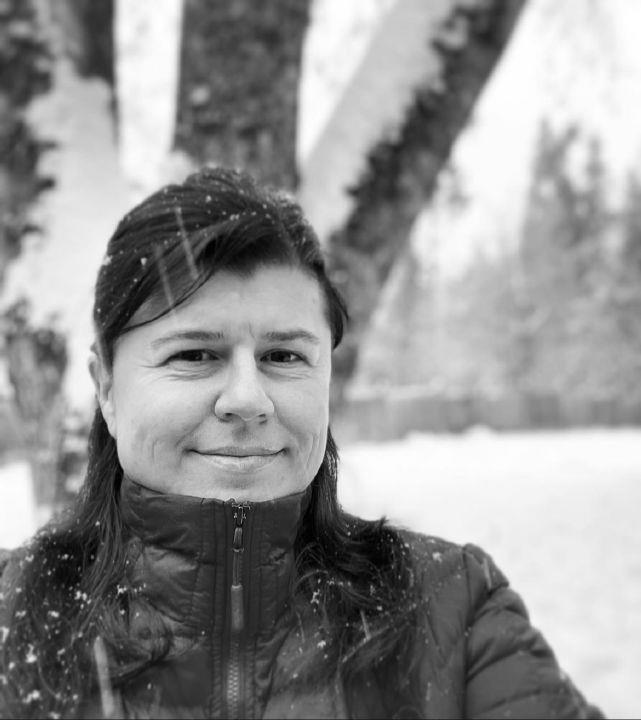
Nelson’s WildSafeBC Community Coordinator, Lisa Thomson, has officially stepped down from her position after a month of emotional stress and online attacks.
After a grizzly sow and one of her yearlings were euthanized by the B.C. Conservation Officer Service (BCCOS) in Nelson on Aug. 12 and Aug. 14, Thomson felt her time working with WidSafeBC had come to an end after five seasons.
Much like everyone else in the Nelson community, Thomson also found out about the conservation officer’s decision to put down the bears through social media.
“I found out like everyone else online. I was pretty shocked to say the least and disappointed and sad,” she said.
Thomson says the way she left WildSafeBC was not how she envisioned.
“Can we go back to COVID-19 times when everyone was kind and polite? I feel like a lot of people have used up their kindness and compassion and reverted back to being nasty online,” she said.
Many conversations online stated how WildSafeBC was working alongside BCCOS and knew the bears would be euthanized.
As a non-profit organization, WildSafeBC does receive some funding from the provincial government. However, its purpose is to prevent conflict and provide solutions with wildlife and humans, according to their website.
Thomson had a close bond with the grizzly sow after she helped relocate her and her first set of juvenile cubs to Nelson back in 2023.
Many residents in the community were aware of the grizzly bear, especially when she gave birth to three more yearlings last year, who were often seen with her.
“From the community and the reports that I have seen, there were no displays of aggression. Not even of them getting into garbage, just hanging around backyards and moving into more populated areas,” she said.
The yearling euthanized on Aug. 12 was walking around with a deformed leg, but Thomson suspects this injury probably occurred as a baby while still living in its den.
“The narrative went from the conservation officers being aware of this injured cub, but that there are no plans to intervene. Then, the next thing we know the cub has been euthanized from undue suffering, but we could see the yearling was thriving and doing really well along with the rest of its siblings,” she said.
“That’s lethal removal of a bear, not euthanasia.”
Back in July, the BCCOS said in a statement that the yearling’s injury was old and already reported last year.
After the mother and yearling were killed, the two other yearlings were captured and removed by conservation officers to Christina Lake on Aug. 14. Then, on Aug. 27 the second yearling was euthanized.
Now, only the young female yearling remains.
“We have killed them with kindness because everyone was enjoying seeing them.”
“There was not any instilling of boundaries for these bears and I think that contributed to their demise,” she added.
Thomson also addressed how drought conditions this year across B.C. have affected berry crops, posing a challenge for bears to find enough sustenance in the wild.
“People have an abundance of fruit trees. It is easy calories and food for bears because it has been a bad natural food source and it is impacting them,” she said.
Thomson will be going up to Kokanee Creek to watch the salmon spawn, but she also says there has been a decline of salmon this year too, which also directly impacts bears feeding off of them.
“Humans and society are growing more and more further into wildlife habitat. We should have more spaces reserved for wildlife to thrive and be safe,” she said.
Since leaving the position on Aug. 28, Thomson has been taking the time reflecting on the recent weeks.
“I am trying to process what happened and move through my grief.”
The grizzly bears have continued to be in her thoughts.
“She was the first grizzly bear I ever worked with and I physically laid hands on, which was an amazing experience. I know she was a good mom,” she said.
Now, she is thinking of the fate of the female yearling out in the wild now on her own.
“I hope she remains safe and I hope she can carry on her mom’s legacy by being able to reproduce future generations of Kootenay grizzly bears.”