
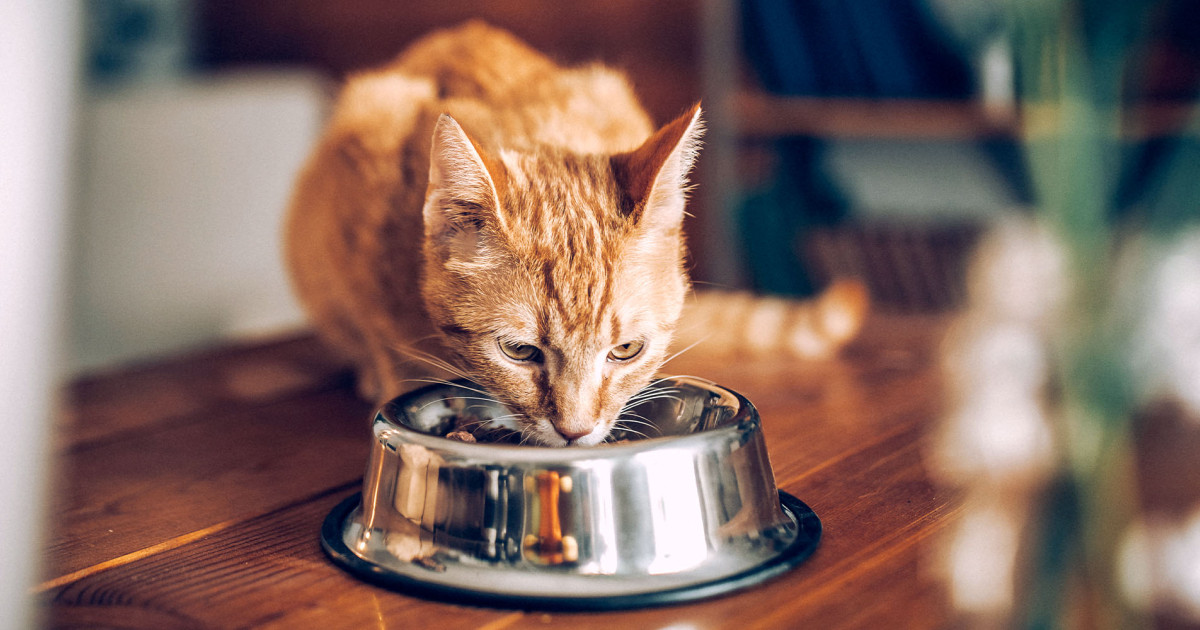
Your pets tend to focus on what you put into their bowls, and when. But as their caretaker, you also need to clean their bowls regularly—and properly.
“Some people say, ‘Well, when my dog or my cat finishes eating, I wipe it out with a paper towel. Isn’t that sufficient?’ No, it’s not,” says Dr. Barbara Hodges, a veterinarian with our Humane Veterinary Medical Alliance.
You can’t see all the potential dangers lurking in the bowl, especially biofilm, a thin residue that contains microorganisms that can pose health problems for your pets.
Hodges offers the following tips for better pet food and water bowl hygiene.
Wash after each meal. If your pet eats discrete meals—say, your dog has one meal in the morning and one at night—wash the bowls after each meal. For cats, who tend to nibble at their food throughout the day, make sure to clean their bowls thoroughly at least once daily.
Use warm, soapy water. A mild dish soap with warm water, applied with a sponge, removes biofilm. Even better? Running dishwasher-safe bowls through a dishwasher allows for hotter water and the machine automatically dries the bowls—but it’s not required.
Avoid plastic. Bowls made of nonporous materials, such as glass and stainless steel, are easiest to clean, followed by those made of nontoxic, lead-free ceramics (as long as they’re smooth). Plastic bowls are not recommended; some pets are allergic to them.
Regular cleaning is also key to ensuring that your pets eat and drink enough, Hodges says. “Your dog or cat may not go on strike because of a dirty bowl, but they might be less likely to eat or drink from it, especially the longer you leave it.”