
Metrolinx is making temporary cuts to GO service between Toronto and Niagara, Ont.,prompting frustration among commuters who say they already struggle with unreliable service.
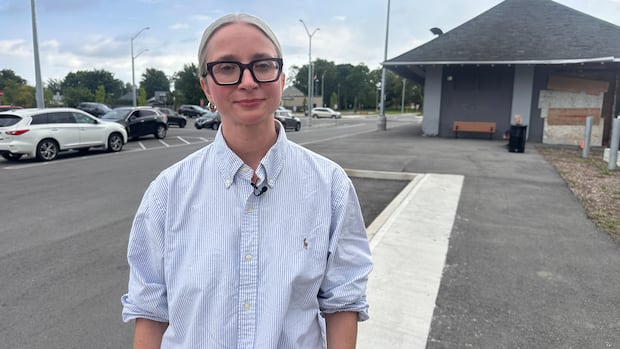
Magda Tarczynska, a St. Catharines resident, says the train is regularly delayed by nearly an hour each way.
“The train is chronically late — 45 mins to an hour each way — which increases my commute to almost six hours a day,” she said. “It’s not acceptable in my opinion and not acceptable for a world-class economy.”
Metrolinx recently announced temporary changes to GO train and bus services, including cuts to weekday, midday and evening service to and from Niagara Falls.
The agency says the train service will be replaced with buses until the spring, while important construction work is carried out. Niagara commuters are speaking out, saying the service has been particularly unreliable the last few months.
“In August, for example, every train I rode was late,” said St. Catharines resident Robert Mason.
“For St Catharines’ sake, it’s good if people here can work in Toronto,” he said. “There’s a higher concentration of jobs, it’s good for the province … but it needs to be better.”
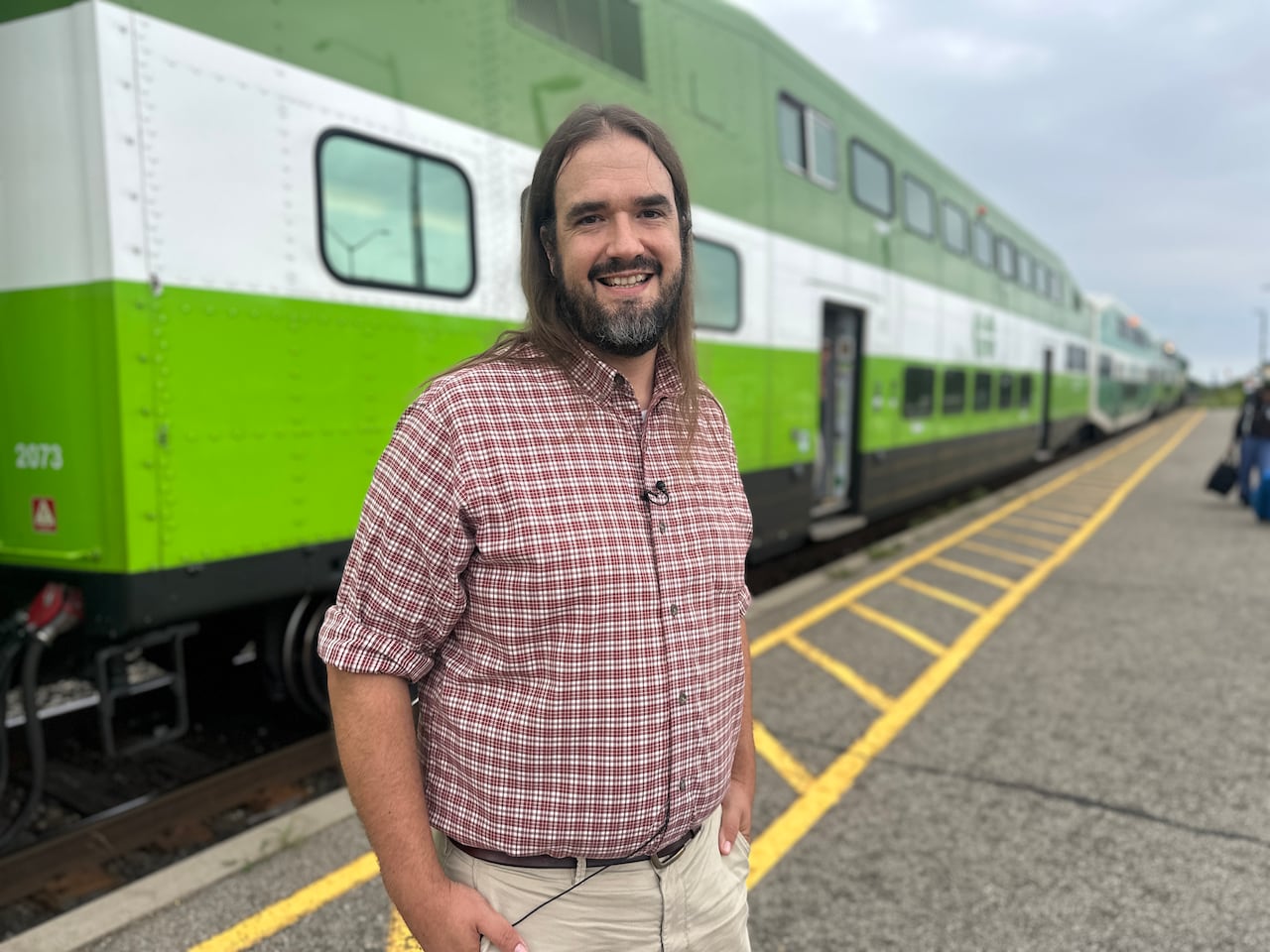 Robert Mason says he started commuting from St. Catharines to Toronto about a year ago. He says at first the train was regularly on time, but this summer he’s experienced delays on almost every commute. (Talia Ricci/CBC)
Metrolinx says rush-hour rail service won’t be impacted with the recent changes, but Niagara residents also say the current limited train schedule already makes commuting difficult, particularly for people who need to be in Toronto early in the morning.
“It’s really not suitable for commuters at all,” said Melanie Sebastianelli, a registered pharmacy technician who is based in St. Catharines.
Sebastianelli said her work schedule can require her to be at a downtown hospital for a 7 a.m. shift, or at an office near Bloor Street W. and Spadina Avenue for a 9 a.m. meeting.
“There’s no way that I would be able to get there on time because the train leaves at 7:03 a.m. and arrives after 9 a.m. anyways,” she said.
‘Short term pain for long term gain’: Transport Minister
Ontario Transportation Minister Prabmeet Sarkaria said some of the changes are necessary to eventually speed up service, which is currently impacted by slow zones along the Niagara line.
“That round trip is taking close to three hours because of slow zones imposed by CN on some parts of the track for repair work,” Sarkaria said.
“We can actually do more work and get those services enhanced for the future and supplement that in the meantime with significantly more bus service.”
Niagara Falls Mayor Jim Diodati said improving infrastructure needs to remain a priority.
“I’m pushing harder than ever to make sure that it’s going to be hourly. But before you do that, the infrastructure has got to be upgraded and in place,” Diodati said.
“It’s short term pain for long term gain.”
Diodati adds the long-term vision should include Metrolinx acquiring property next to the CN track so it can build its own tracks.
Metrolinx, CN point to infrastructure challenges
Metrolinx is also pointing to CN as a factor behind some of the delays.
The agency said in a statement that the portion of track between Niagara Falls and Hamilton, Ont. is not a Metrolinx-owned corridor.
“As an operator, we are subject to temporary slow orders imposed by our freight partners that require trains to operate at slower speeds,” a statement from the agency’s media relations team said.
For its part, CN said it invests a significant portion of its revenues each year to ensure the safe and efficient operation of its network.
“We operate a scheduled model, meaning each train — whether carrying freight or passengers — has a schedule, and we endeavour to run them all on time,” said a statement from media relations advisor Michelle Hannan.
The company also said it supports passenger trains operating on dedicated rail lines.
St. Catharines NDP MPP Jennie Stevens, however, says the province needs to take more responsibility for the state of GO service in Niagara.
“After years of promises, Niagara still doesn’t have a true two-way all-day GO that people can rely on so that they can go to school [or] come down here for the economic benefits of tourism,” Stevens said.
“You can build all the stations this government wants and make all the announcements and expansions, but if the trains aren’t running, the promise means nothing to us,” she said.
For commuters who continue to face the reality of daily delays, they hope to see immediate improvements and more accountability and investments from the province and transit agencies.
Tarczynska said improving the connection between the two regions is ultimately about strengthening the broader community.
“This isn’t about me or one commuter being frustrated,” she said. “This is a larger issue about building a regional community, building Canada-strong, building a Niagara region that attracts people, investment and tourism.”