
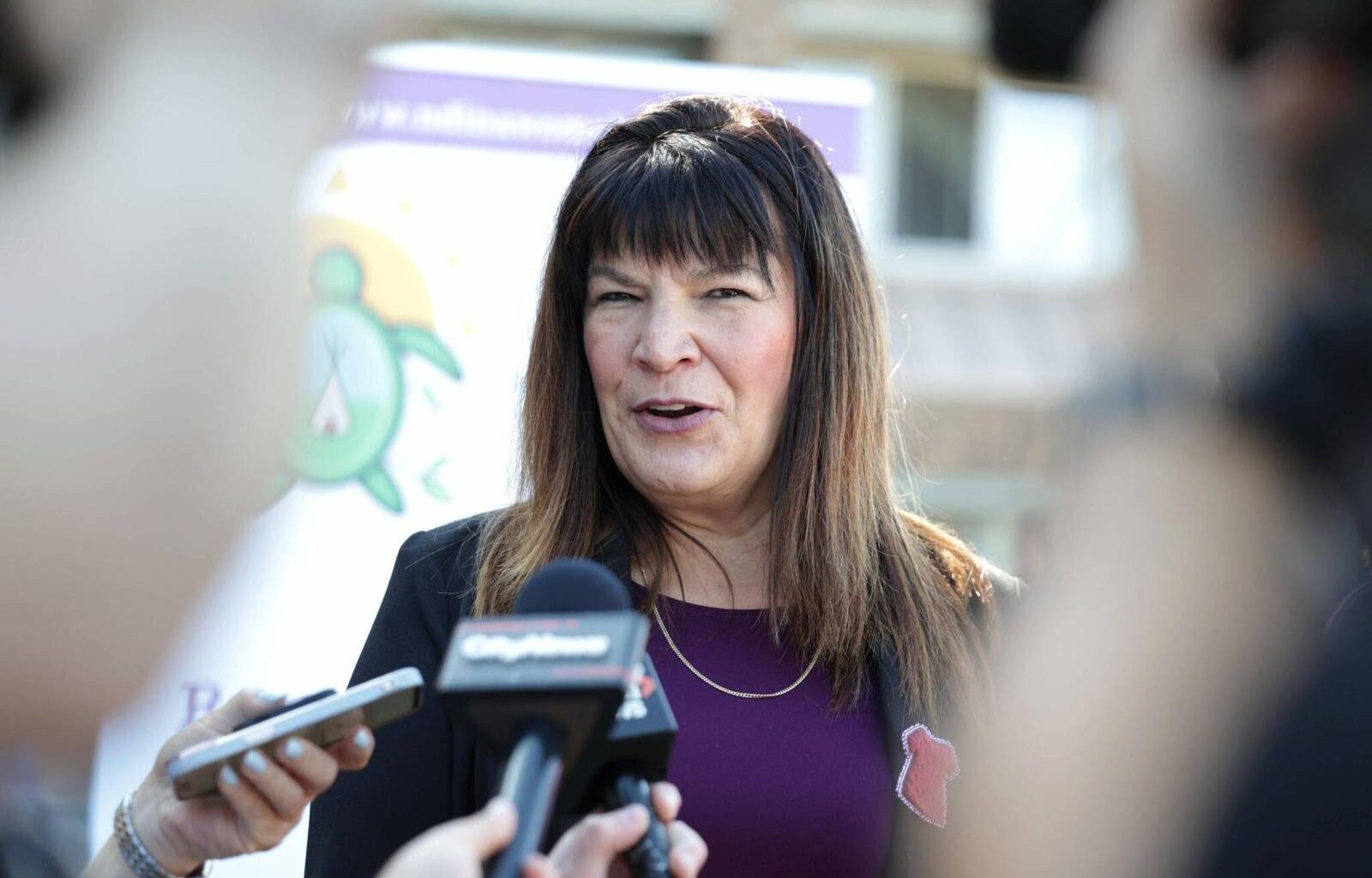
The new facility designed to detain people in a drug psychosis for up to 72 hours “is doing what it’s meant to do” — even though just 26 people were held for that purpose since it opened.
“The PCC (protective care centre) is doing what it’s meant to do — support people, meet them where they’re at, provide a caring environment,” Housing Addictions and Homelessness Minister Bernadette Smith told reporters Friday after updated data were posted online.
The vast majority of those detained at the 20-room facility at 190 Disraeli Fwy. were recovering from alcohol intoxication, the update shows.
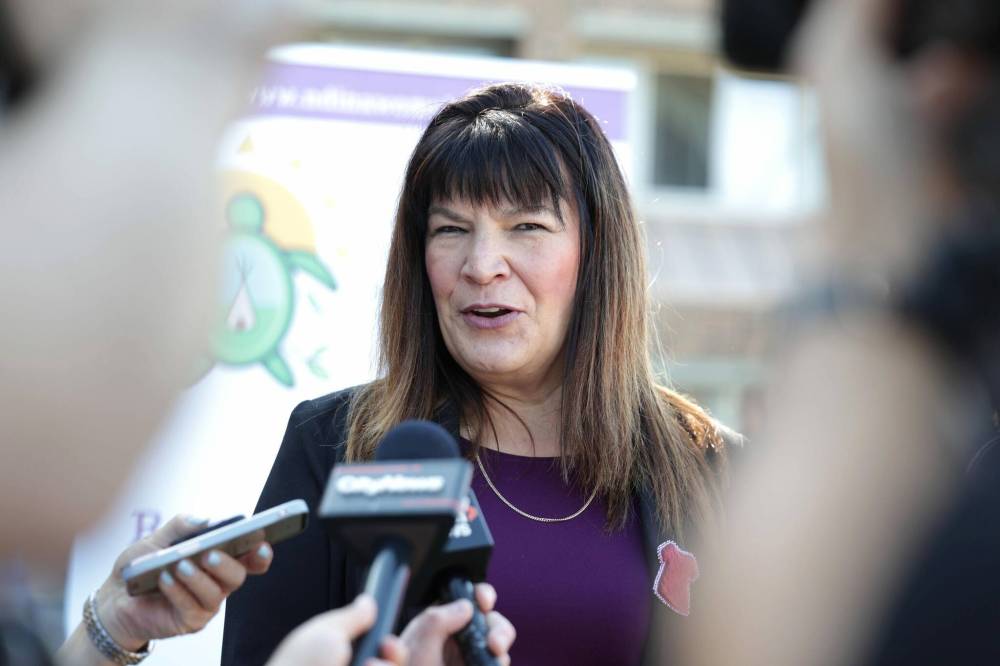
RUTH BONNEVILLE / FREE PRESS
Housing Addictions and Homelessness Minister Bernadette Smith said the centre is a “needed resource.”
There were 4,425 detained from the time the site opened Dec. 2 until June 30, for an average of less than five hours.
It began to detain those under the influence of methamphetamine or other non-alcohol substances until Mar. 4.
The data show 26 people were detained for that during the first four months with the longest stay being 45.5 hours. The average length of stay was under 10 hours.
Smith said a shift in “drug trends,” which she called unpredictable, accounted for the reason so few were detained for non-alcohol intoxication.
“You have people who are acting out violently that are a danger to themselves, a danger to others. We’re not seeing that as much,” she said.
“We’re seeing more of the tranquilizer — where people are in a sedated state,” she said.
The centre is a medical model led by doctors and clinicians, the minister said.
The province paid $3.7 million to purchase the building and budgeted another $5 million to renovate it to safely detain those who are intoxicated and a danger to themselves or others for up to 72 hours.
The province changed legislation to extend the detention of intoxicated persons from 24 to 72 hours over concerns about the longer-lasting effects of drugs such as meth.
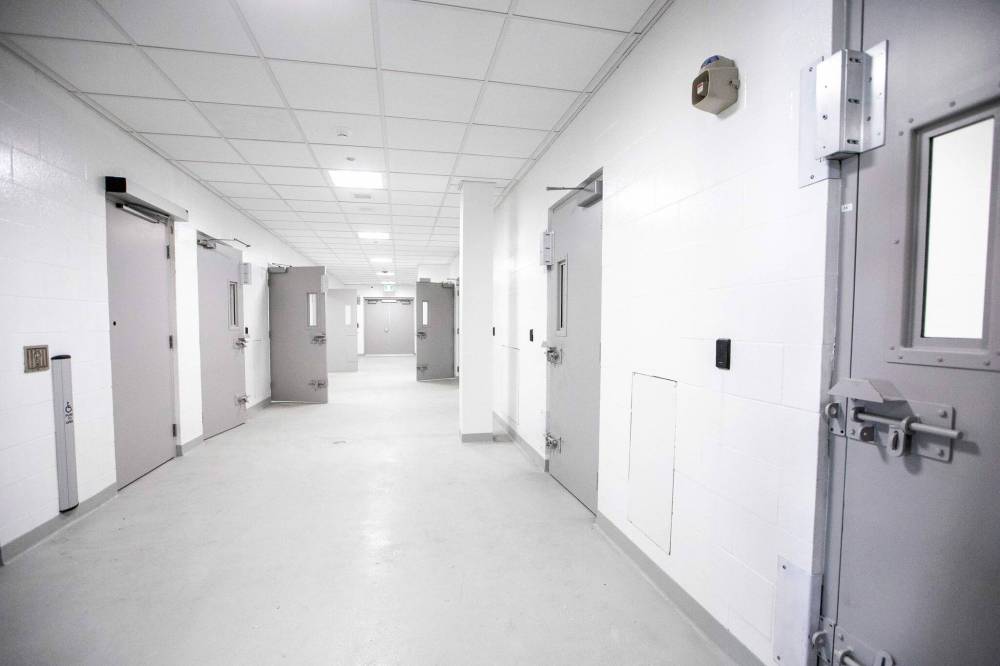
MIKAELA MACKENZIE / FREE PRESS FILES
Inside the 20-room detox facility at 190 Disraeli.
Premier Wab Kinew said last year that the new “drunk tank” and legislation were intended to keep people safe from those “wilding out” on drugs — including the intoxicated person.
Winnipeg Free Press | Newsletter

Smith said the centre is a “needed resource,” responding to a question about whether the money invested could have been better spent elsewhere.
“It’s another tool. It’s only one of the tools, many tools that we do have as a government that we are supporting,” the minister said.
She said people detained can get wound care and referrals to services.
“It’s about providing a caring space so people can get connected and into treatment, if that’s what they so desire.”
carol.sanders@freepress.mb.ca

Carol Sanders
Legislature reporter
Carol Sanders is a reporter at the Free Press legislature bureau. The former general assignment reporter and copy editor joined the paper in 1997. Read more about Carol.
Every piece of reporting Carol produces is reviewed by an editing team before it is posted online or published in print — part of the Free Press‘s tradition, since 1872, of producing reliable independent journalism. Read more about Free Press’s history and mandate, and learn how our newsroom operates.
Our newsroom depends on a growing audience of readers to power our journalism. If you are not a paid reader, please consider becoming a subscriber.
Our newsroom depends on its audience of readers to power our journalism. Thank you for your support.