
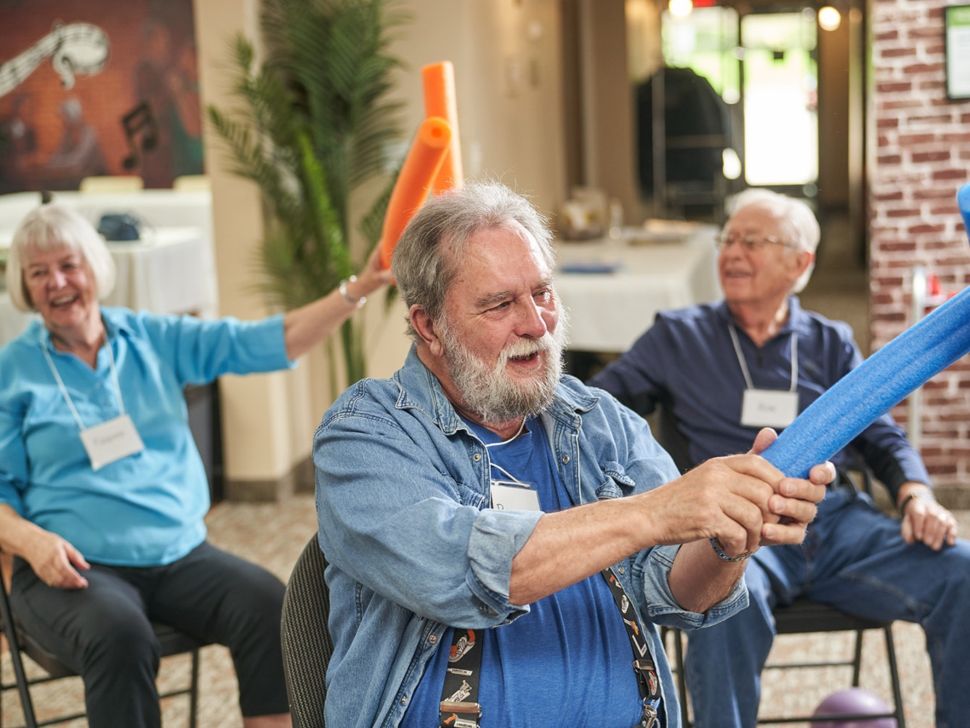
September is World Alzheimer’s Month, and the Alzheimer Society of Manitoba is reminding Manitobans that a dementia diagnosis does not mean they have to face the journey alone.
This year’s theme, “Your Path Forward to Community and Connection,” focuses on helping people living with dementia and their families understand what comes next and find support along the way.
Erin Crawford, CEO of the Alzheimer Society of Manitoba, says receiving a dementia diagnosis can leave people unsure about what to do next.
But Crawford says the Alzheimer Society can help people navigate a diagnosis, access resources and connect with others who understand what they are experiencing.
“While nobody is wanting to hear that they have a dementia diagnosis, if you are someone who gets that, you’re not alone and you don’t have to figure it all out on your own,” Crawford says.
Nine Manitobans diagnosed each day
More than 20,000 Manitobans are currently living with dementia, according to Crawford, with about nine Manitobans newly diagnosed each day.
That number is expected to increase significantly in the coming decades.
Crawford says the number of Manitobans living with dementia is expected to double over the next 20 years, largely because of Manitoba’s aging population.
Age is the biggest risk factor for dementia, although Crawford says there are also risk factors people can modify.
She emphasizes that receiving a dementia diagnosis does not have to mean isolation.
Recognizing the early signs
Memory loss is one of the symptoms most commonly associated with dementia, particularly Alzheimer’s disease, the most common type of dementia.
But Crawford says there are other signs people should pay attention to.
These can include difficulty finding words or communicating, changes in judgment, dressing inappropriately for the weather and becoming disoriented in familiar places.
If someone begins noticing these changes in themselves or a loved one, Crawford encourages them to keep track of the symptoms and speak with a doctor.
She says an early diagnosis can help people plan for the future while they are still able to make important decisions about their care.
That can include putting a power of attorney and health-care directives in place, having conversations with family, and learning about available services and potential costs.
Early diagnosis may also become increasingly important as new treatments become available.
New treatments offer some hope
Crawford says new medications have recently been approved by Health Canada for early Alzheimer’s disease.
The medications do not cure Alzheimer’s or stop the disease, but they have been shown to slow its progression in some people.
“They aren’t stopping it, they aren’t a cure, but they are slowing the progression,” Crawford says.
She says the treatments could potentially give some people additional good years.
The medications are not currently available in Manitoba and are not yet widely accessible across Canada, Crawford says.
Still, she says their development provides reason for optimism about the future of dementia treatment.
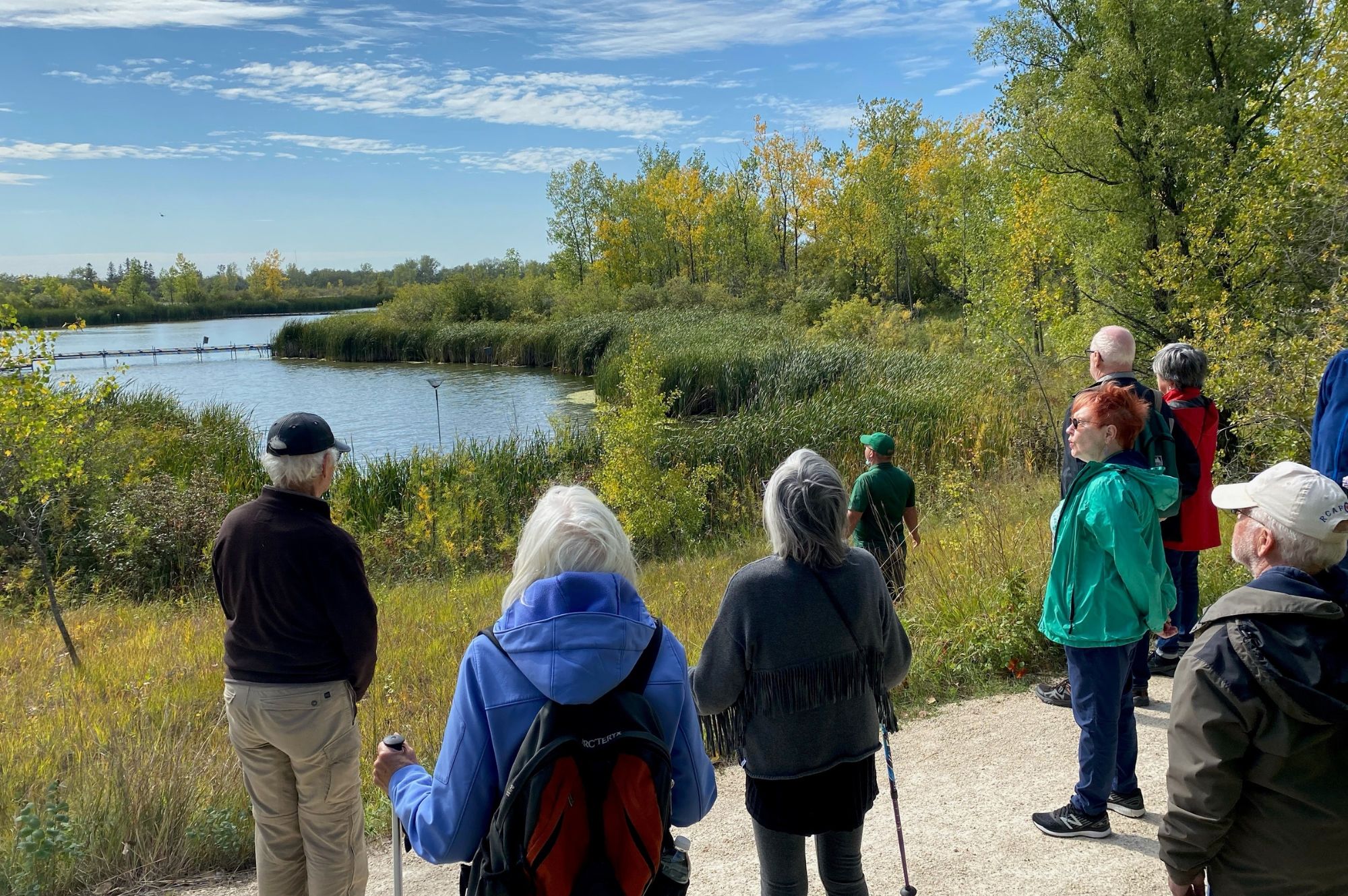 The Alzheimer Society is also encouraging people living with dementia to remain active and connected to their communities for as long as possible. (Alzheimer Society of Manitoba)
Staying connected remains important
The Alzheimer Society is also encouraging people living with dementia to remain active and connected to their communities for as long as possible.
Crawford says activities such as recreation programs, or even something as simple as a round of golf, can help people maintain a sense of identity, enjoyment and connection.
“We don’t want those taken away from somebody just because they have a dementia diagnosis,” she says.
Some activities may need to be modified as dementia progresses, but Crawford says meaningful activities should remain an option whenever possible.
Friends, neighbours and extended family members can also play an important role by continuing to spend time with someone living with dementia and offering practical support.
That could mean visiting with someone so their caregiver can run errands, or simply adapting conversations and activities as communication and cognition change.
“The relationship and connection are still really important for all of us,” Crawford says.
Reducing dementia risk
There is no guaranteed way to prevent dementia, but Crawford says there are steps people can take to reduce their risk.
Many of the same lifestyle choices that benefit heart health can also benefit brain health, including eating well, exercising, avoiding smoking and limiting alcohol.
She also points to the importance of maintaining social connections, looking after hearing health and participating in activities that stimulate the brain.
While those steps cannot guarantee someone will avoid dementia, Crawford says they may help reduce the risk.
For World Alzheimer’s Month, the Alzheimer Society of Manitoba hopes Manitobans will take the opportunity to learn more about dementia, recognize potential warning signs and understand that support is available.
 The Alzheimer Society of Manitoba offers a range of supports. (Alzheimer Society of Manitoba)
Support available across Manitoba
The Alzheimer Society of Manitoba offers a range of supports, including its First Link Helpline, one-on-one support, support groups, recreation programs for people living with dementia and their care partners, and educational sessions.
Those programs cover topics including communication, the progression of dementia, legal and financial planning, home care and long-term care.
Crawford says connecting with others can be particularly important because dementia can be isolating.
“We’ve heard from people it’s almost, you know, it’s a lifeline,” she says. “It’s a shortcut to some of the tips and tricks that ultimately worked really well for them.”
The Alzheimer Society of Manitoba is encouraging anyone affected by dementia to reach out, learn about the supports available and remember that they do not have to navigate the journey alone.