
NEED TO KNOW
Brooke Wessman, 45, was diagnosed with colon cancer after her first routine colonoscopy despite living a healthy lifestyle
Doctors emphasize rising colorectal cancer rates in younger adults and the importance of screenings starting at age 45
Wessman shares her story to inspire others to prioritize early detection, which she believes saved her life
A 45-year-old woman was diagnosed with cancer after her very first colonoscopy. Now she’s speaking out about the importance of early detection and advocating for her health.
Lasalle, Ontario, mom Brooke Wessman worked for years at Henry Ford Health, but left her job to care for her family. She had always prioritized regular screenings, exercise, and a clean diet. That’s why, when she turned 45, she took an at-home Cologuard test, which tests stool for possible indicators of colon cancer.
Wessman’s Cologuard results detected altered DNA, or possible blood. It’s a potential signal for cancer, so she made an appointment with her former employer at HFH for a colonoscopy on September 3, 2025.

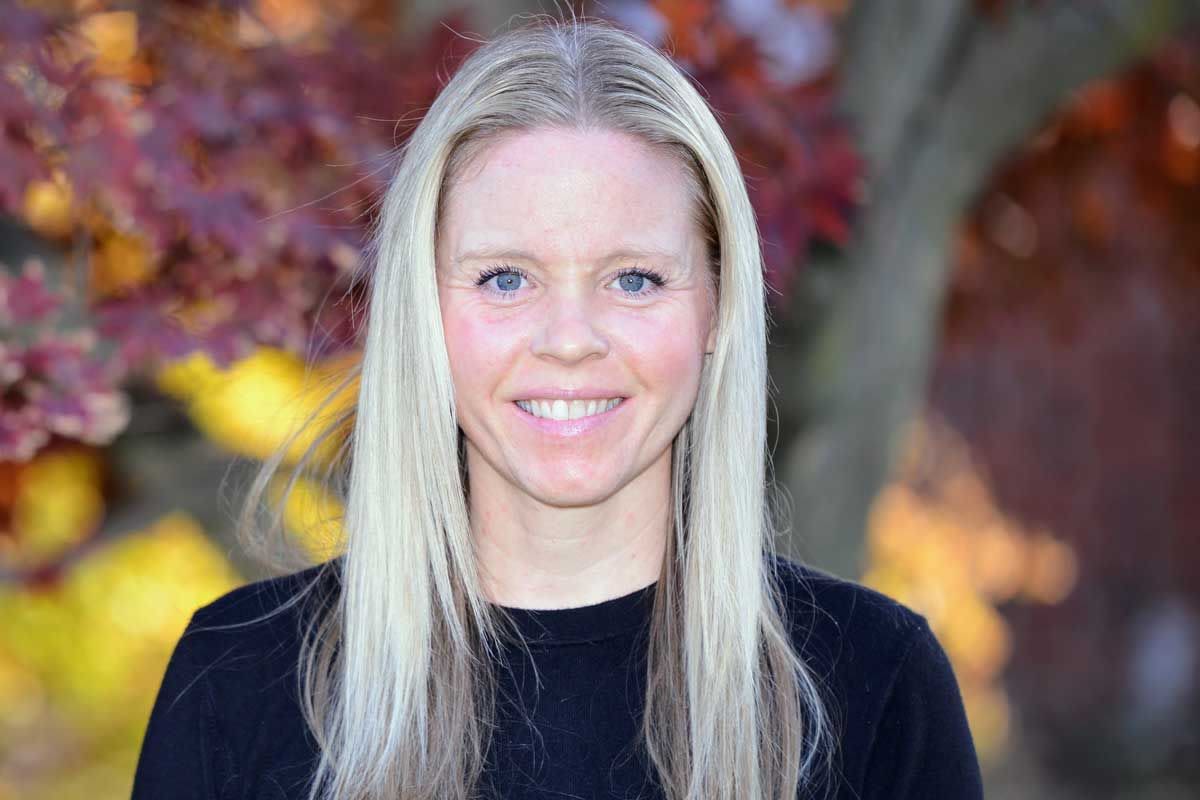
Brooke Wessman is sharing her colon cancer journey to raise awareness about the importance of screenings
Credit: Courtesy of Henry Ford Health
“When I saw the after-visit summary before the doctor came in, I knew it wasn’t good,” she said. “The doctor then came in and told me I likely had colon cancer, which was confirmed the next day.”
The results were shocking, she said. “I make it a priority to eat right with minimal processed foods, exercise and live a healthy life.”
But, she shares, “As alarming as this diagnosis was, I was told by Henry Ford doctors that more people are being diagnosed younger and with no symptoms, which is why screening recommendations now start at age 45.”
Dr. Craig Reickert, division head of colon and rectal surgery at Henry Ford Health, tells PEOPLE that “We’re seeing more cases of colorectal cancer in younger adults, making awareness and screening more important than ever.”
Colorectal cancer is now the leading cause of cancer death for people younger than 50, Stanford Health says. While some theorize the increase can be attributed to better detection and earlier colonoscopies, an increase in obesity and diets high in ultra-processed foods are thought to contribute to the rise in cases.
Wessman underwent surgery, benefitting from a robotic procedure that requires a single incision as opposed to multiple ones, to remove her tumor. “Right after surgery, I was told that I should walk around to aid in my recovery,” Wessman says. “I was discharged two days after surgery, and within two weeks, I couldn’t believe how good I felt considering I had just had major surgery.”

Brooke Wessman shows off her LaPorta jersey
Credit: Courtesy of Henry Ford Health
Take PEOPLE with you! Subscribe to PEOPLE magazine to get the latest details on celebrity news, exclusive royal updates, how-it-happened true crime stories and more — right to your mailbox.
She next underwent chemotherapy — and shared, “I named my port access for chemotherapy LaPorta” after Detroit Lions player Sam LaPorta.
Wessman says she’s sharing her story to raise awareness about the importance of screenings — especially as she had no symptoms. “I received my colon cancer screening reminder through the Henry Ford patient portal and decided to take care of it at age 45. I believe that decision saved my life,” she said. “I hope those reading this will be inspired to get screened. I am an example that it can truly make a life-changing difference.”
And as Reickert adds, “Many people don’t realize that colorectal cancer may develop without noticeable symptoms. Colonoscopies can help detect cancer early and even prevent it by identifying and removing precancerous polyps. Brooke’s story is a powerful reminder that screening saves lives.”
Read the original article on People