

Listen to this article
Estimated 3 minutes
The audio version of this article is generated by AI-based technology. Mispronunciations can occur. We are working with our partners to continually review and improve the results.
Retaliatory tariffs on American-made products came into effect on Tuesday, raising prices on goods coming into Canada — and the impacts are expected to be felt on Prince Edward Island.
Prime Minister Mark Carney, in a video released Tuesday, said Canada will respond to the U.S. trade war by becoming less reliant on its southern neighbour by striking new trade deals with other countries, but that it will come at a cost.
Sam Sanderson, executive director of the Construction Association of P.E.I., said the impacts could come with added costs and delays in materials but, with so many unknowns, there is no way to identify “what’s happening now, let alone what’s happening next.”
“P.E.I. is such a small, unique marketplace.… Any impact to any sector within the province of P.E.I. has an impact in all sectors,” he said.
“That sheet of plywood that I’m buying is now going to cost me, you know, 20, 30, 40, 50 per cent more. I have to pass that expenditure onto the client, onto the buyers of construction.”
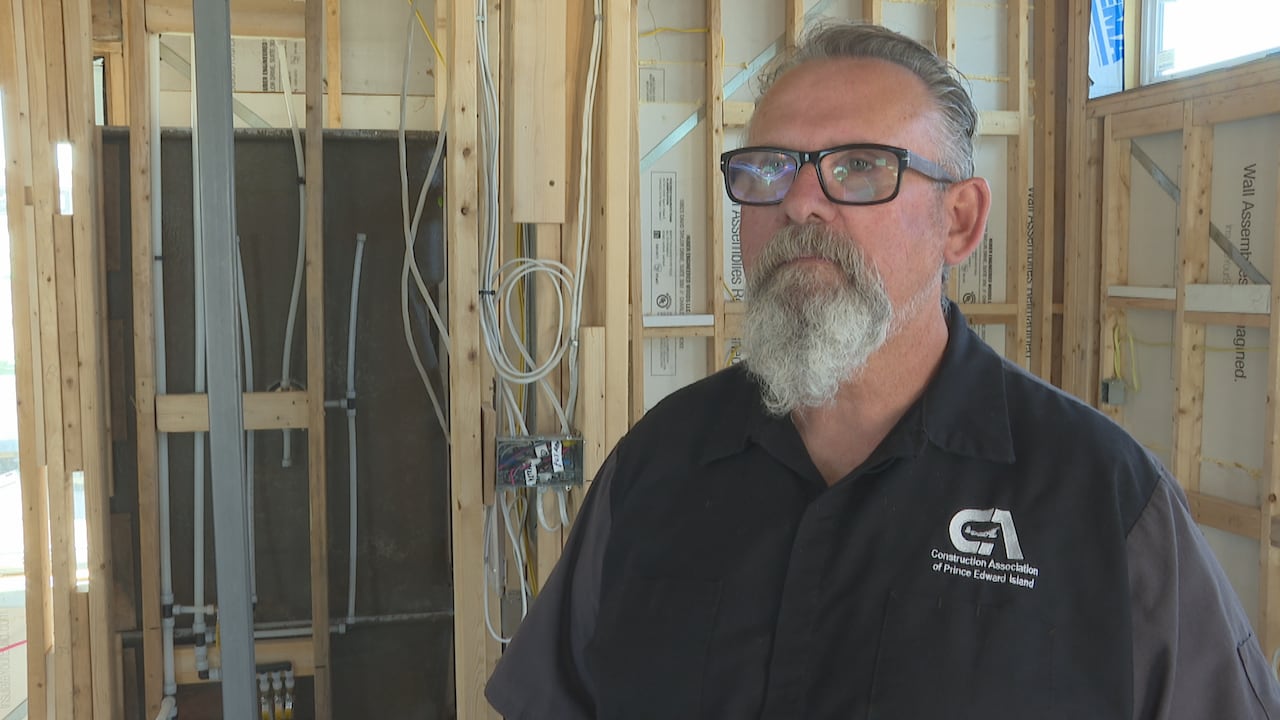 Sam Sanderson, executive director of the Construction Association of P.E.I., says the impacts of Canada’s retaliatory tariffs could come with added costs and delays in materials. (CBC)
Sanderson said about 65 per cent of construction materials used in P.E.I. come from the U.S. and are included on the list of counter-tariffs. He said there is now an opportunity to not be entirely reliant on a single place for those materials.
“There’s lots of really great product being manufactured in Canada and other parts of the world,” he said.
“I think now is a really great time to really look at … manufacturing more Canadian, but also looking at the, you know, other market spaces.”
MacArthur’s Appliances owner-operator Chris Welton said every manufacturer has sent a price-increase letter, but the store doesn’t have “a ton of stuff” made exclusively in the U.S., with less than a quarter of his store’s products originating there.
“We’re trying to keep prices as low as we can, considering the services we provide,” he said.
“We just don’t want it to end up on the consumer.”
Welton said previously, customers often considered U.S. products to be indicative of good quality, which was a selling feature. Now, he sees customers avoiding American-made products, and it’s a subject that “comes up almost in every conversation with a customer.”
“We have to be aware where things are made, where we didn’t have to do that previously,” he said.
“Most of the time, when people come to our store, they’re just looking for the best product they can … but now, the country of origin, it’s a topic of conversation, for sure.”
WATCH | Carney says U.S. wanted ‘dependency’ in too many areas: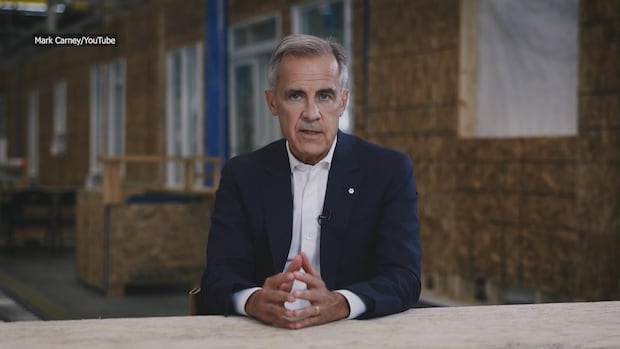
Carney releases video saying U.S. wanted ‘dependency’ in too many areas
In an excerpt from a 15-minute explanatory video released by Prime Minister Mark Carney’s office on Tuesday, Carney says U.S. trade negotiators wanted Canada ‘to become even more reliant on them, not less.’
Sanderson said industries are working to provide quality projects and want to ensure “everybody is being treated fairly.”
He said the current circumstances are unpredictable and industries will do the best they can to deal with the economic situation, adding construction industries are looking to the future.
“We’re in this with you. Everything you’re hearing, we’re hearing, as well. We don’t necessarily have all the answers, but we’re working diligently to find out those answers and come up with the best solution possible,” he said.
“We want to make sure that we get through this.”