
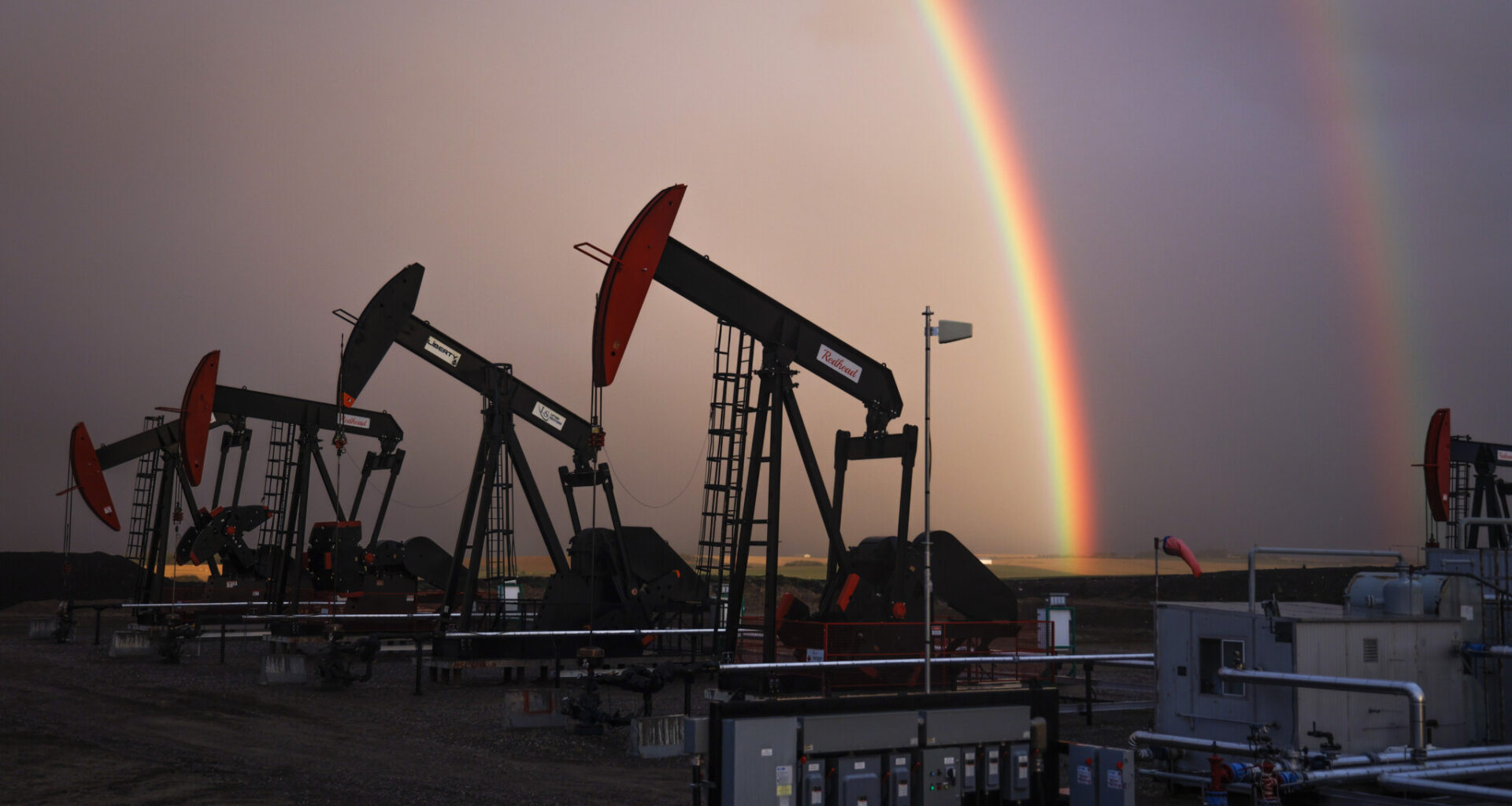
Prime Minister Mark Carney’s government published regulations Wednesday removing oilsands extraction, some pipelines and transmission lines from federal Impact Assessment Act review, handing sole oversight of those projects to the Canada Energy Regulator under its one-project, one-review pledge. The change lands days before Carney hosts an investment summit in Toronto aimed at drawing $1 trillion in new capital over five years, but environmental groups argued it strips genuine scrutiny from the country’s most polluting projects just as climate disasters mount.
The regulations, published in the Canada Gazette, end a dual-track system under which certain projects faced review under both the Trudeau-era Impact Assessment Act and the Canadian Energy Regulator Act. In its regulatory impact analysis, the government said relying on a single federal regulator would make project decisions simpler, and reported that industry groups strongly backed exclusive Canada Energy Regulator review of pipelines as a way to cut duplication and improve certainty. Energy Minister Tim Hodgson has said broader legislation to speed approvals will follow this fall.
Environmental groups condemned the move within hours. Julia Levin of Environmental Defence argued the change amounts to abandoning meaningful federal scrutiny, saying Ottawa had effectively walked away from conducting full environmental reviews of the most polluting projects, including oil pipelines and gas plants, during a period of unprecedented climate disaster.
Industry-aligned analysts took the opposite view. Heather Exner-Pirot, director of energy, natural resources and environment at the Macdonald-Laurier Institute, described the regulation as extremely impactful and noted it answers a long-standing top request from industry associations. The timing, she observed, with cabinet gathered in Alberta this week and the Canada Investment Summit in Toronto next week, appears designed to show global investors that Ottawa is acting rather than talking. The summit prospectus lists more than 160 projects open for investment, and Finance Minister François-Philippe Champagne, meeting business leaders in Edmonton on Wednesday, described a golden opportunity for Canada to build new partnerships abroad.
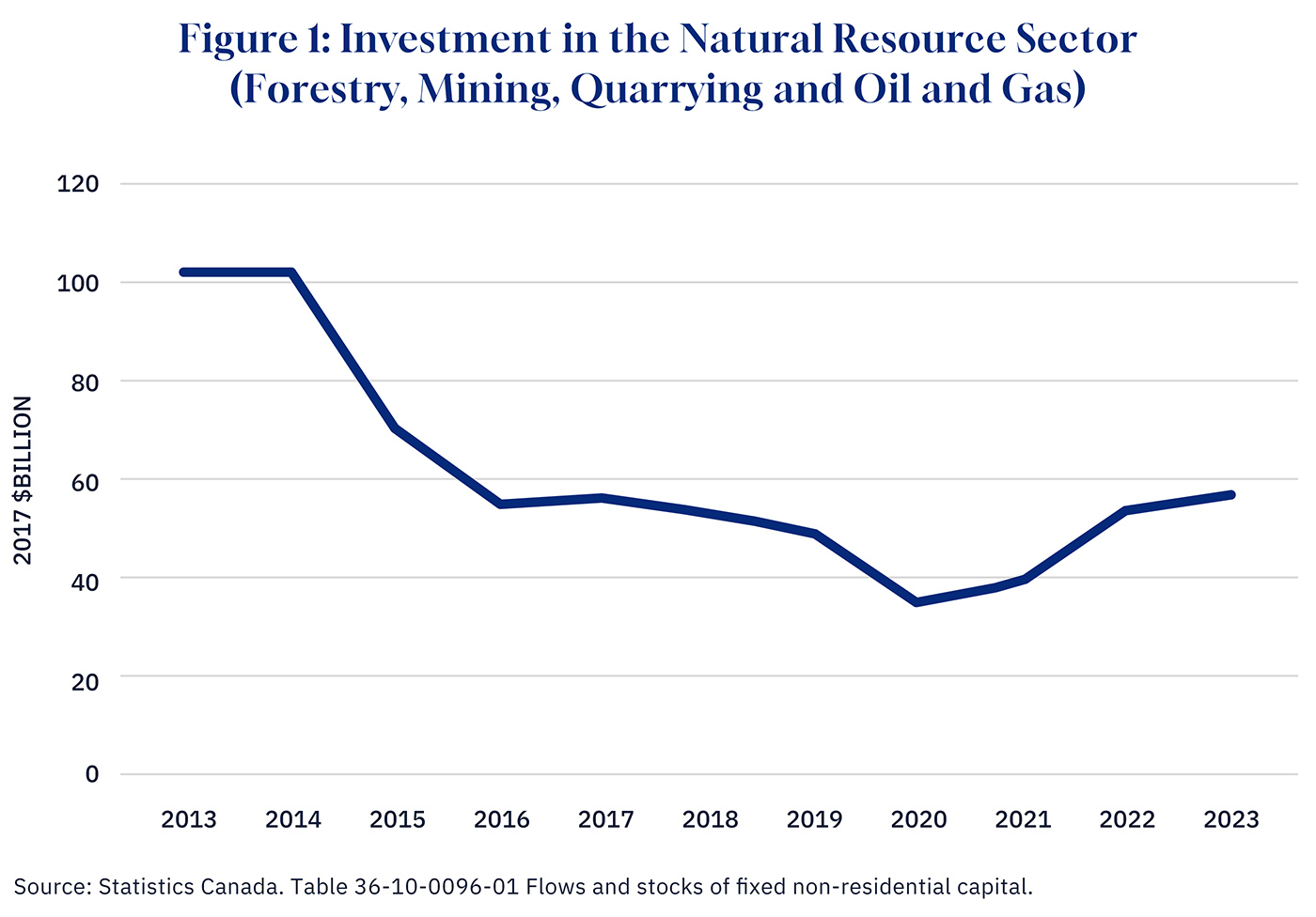
The regulations target a problem long flagged by critics of the federal permitting system: timelines that stretch across more than a decade. Tim Sargent, a contributor to Project Ontario and director of the domestic policy program at the Macdonald-Laurier Institute, wrote that natural resource investment has barely moved since 2016 and remains well below its 2015 peak. “The sector is mired in red tape; a new mine in Canada can now take up to 15 years to become operational,” Sargent wrote, arguing that few investors will wait that long for a return.
Sargent traced part of the delay to two earlier political decisions. The Harper government removed the National Energy Board’s authority to decide on major pipelines, he noted, and the Trudeau government then designated pipelines with more than 75 kilometres of new right of way under the Impact Assessment Act, forcing them through an integrated process led by the Impact Assessment Agency. “Both these decisions have added regulatory delay and political risk—both things that private sector investors flee from,” he wrote.
Exner-Pirot has made a parallel case. “Any success our energy sector is having in this geopolitical moment is largely despite, not because of, Ottawa,” she wrote earlier this year. She has also cautioned that faster reviews alone will not deliver the government’s stated ambitions, observing that the Trudeau-era stack of climate regulations remains largely intact, with further phases still taking effect. “To approach anything resembling energy superpower status, Canada’s federal climate policy structure must undergo a rupture, not a transition, from the past,” she wrote.
Whether Ottawa can accelerate approvals without hollowing out its environmental and Indigenous consultation obligations remains contested. Sargent argued the Canada Energy Regulator, in its previous incarnation as the National Energy Board, earned a reputation as a competent body that met its timelines, and that returning designated pipeline reviews to it would restore a predictable, less politicized regime.
Falice Chin, The Hub‘s Alberta bureau chief, reported earlier this year that the regulator’s hearing process already accepts evidence from intervenors including Indigenous elders and environmental organizations and must weigh long-term effects on Indigenous rights, but that legal challenges over the duty to consult would remain a constant risk under any streamlined model. Levin maintained that single-regulator review does not meet the bar for a real environmental assessment. None of the material released Wednesday resolves that dispute.
Hodgson has said the fall legislation will expand the approach beyond the projects covered by Wednesday’s regulations. Carney and several ministers will host chief executives and global investors in Toronto next week.
The Hub’s mission is to create and curate news, analysis, and insights about a dynamic and better future for Canada in a…
Read more