
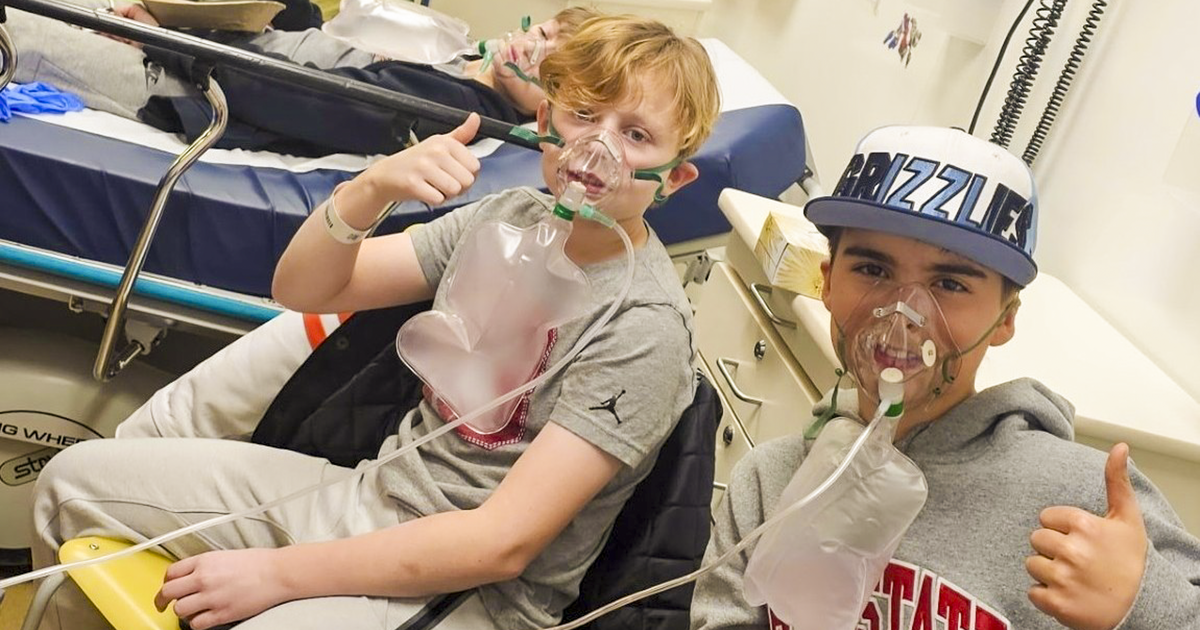
What started as a typical day at the hockey rink quickly took an alarming turn when young players from four Alberta hockey teams began complaining of headaches, nausea, dizziness and vomiting.
At first, parents suspected a stomach bug. But one parent, an off-duty firefighter, noticed his son’s symptoms improved almost immediately after leaving the arena. Trusting his instincts, he contacted the local fire department, which soon discovered dangerously high levels of carbon monoxide (CO), particularly in dressing rooms, where CO monitors had not been installed.
The incident, which occurred at a rural Alberta arena in 2024, is the focus of a new 360 Case article published in the Canadian Medical Association Journal (CMAJ). The article recounts how quick thinking by parents, emergency responders and health-care providers helped identify the source of the poisoning and ensure dozens of children received prompt medical care.
For Dr. Laurie Lee, PhD’25, a paediatric nurse practitioner, epidemiologist and associate professor in the University of Calgary’s Faculty of Nursing, the day became something she never expected.
“As the medical liaison for my 11-year-old son’s hockey team, I thought my role would entail stocking the first-aid kit and completing paperwork, not helping co-ordinate the response to a large exposure to CO,” Lee said in the article.
Recognizing the seriousness of the situation, Lee urged anyone experiencing symptoms to seek care in the emergency department.
At Alberta Children’s Hospital (ACH), emergency teams quickly adapted to care for an unexpected influx of more than 40 children during an already busy December shift. While patients were successfully assessed and treated over five hours, the experience also revealed opportunities to improve emergency preparedness.
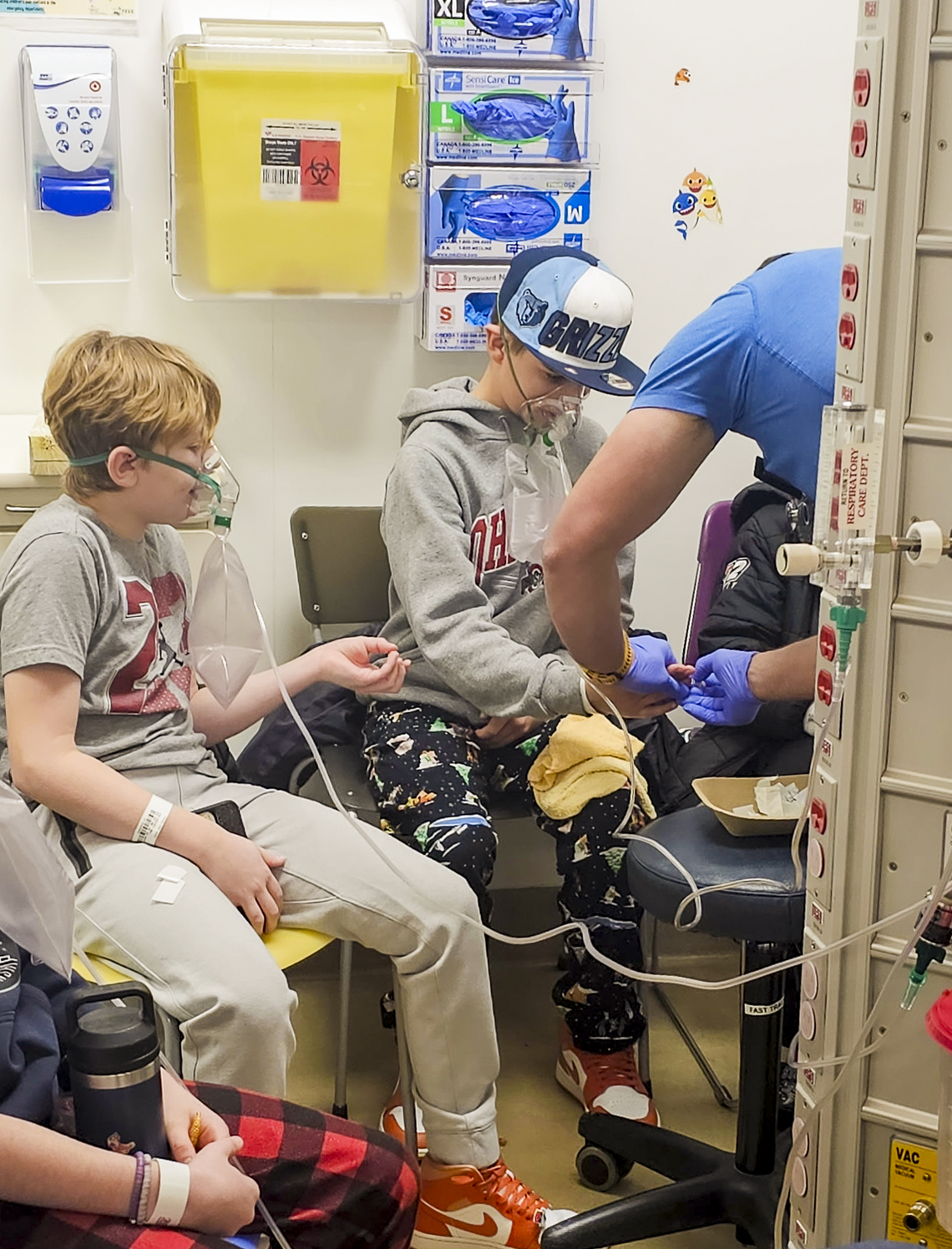
Patients are assessed and treated in the emergency department during the response to the large exposure incident.
Laurie Lee
“This event highlighted some areas where we can further strengthen our response, including co-ordinating additional staff from other disciplines or specialties, communicating with other emergency departments across the city, and having a clear approach to monitoring and supporting adults who may accompany their children and want to remain with them,” says Dr. Tania Principi, MD, a paediatric emergency physician at ACH and associate clinical professor at UCalgary’s Cumming School of Medicine.
Although everyone recovered physically, the experience continues to affect many of the families involved.
“That experience changed everything. It’s impossible to walk into an arena now without worrying about CO exposure,” says Jessica Marshall, a parent of one of the affected hockey players. “The fact that something as simple as a CO monitor could have prevented this, yet isn’t mandatory in every rink, is something we still can’t understand.”
The incident also highlights a broader public health concern. A related CMAJ commentary notes that at least 11 CO-poisoning events and one nitrogen dioxide exposure have been documented at Canadian ice arenas in recent years. While Health Canada and public-health partners have developed voluntary guidance and best practices to improve indoor air quality, routine inspections and mandatory compliance standards are not required in most Canadian jurisdictions.
Other jurisdictions, including Minnesota, have introduced regulations that include routine arena inspections, education and enforcement to help reduce the risk of similar incidents.
For Lee and the families involved, the experience underscored how quickly an ordinary day can change. They hope sharing the story will help raise awareness of the risks of carbon monoxide exposure and encourage stronger safeguards to better protect players, families, and arena staff across Canada.