
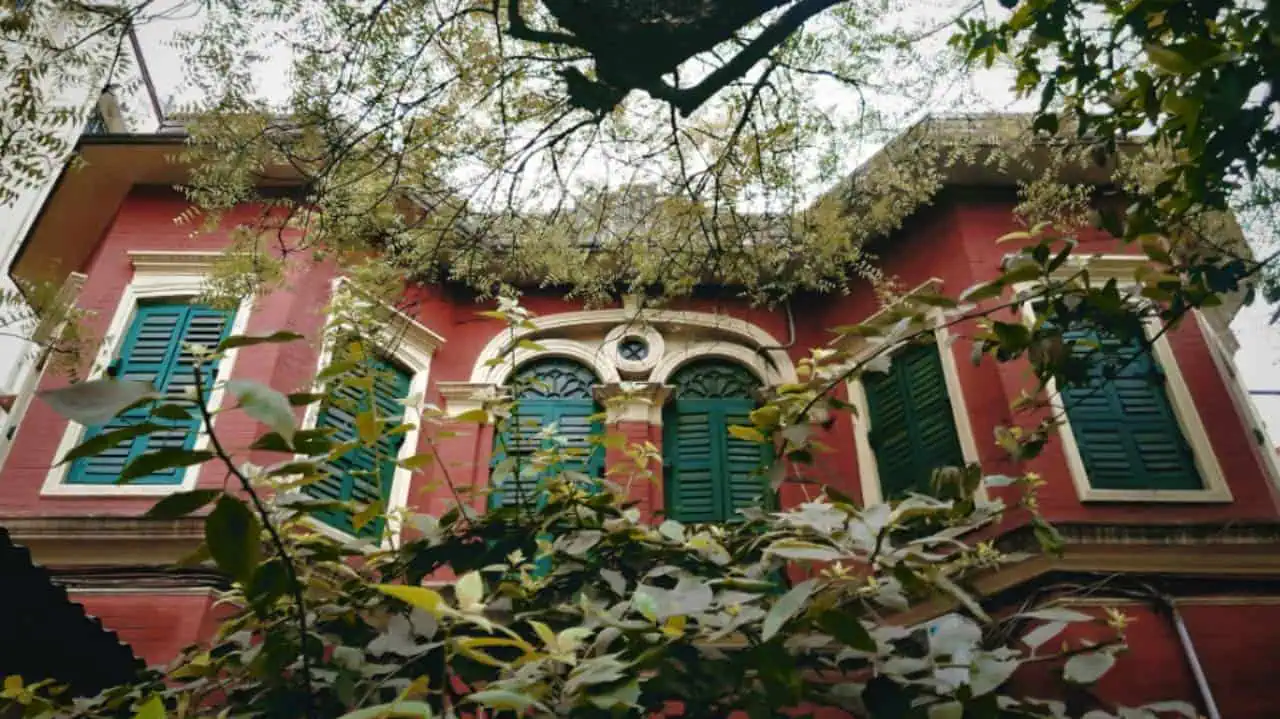
Brampton intends to remove 70 properties from its municipal heritage registry — and possibly more — potentially making it easier for some sites to be redeveloped as the city works to meet a provincial deadline.
The move is part of a sweeping change to Ontario’s heritage rules that the provincial government says will help remove barriers to development and support its push to build more housing.
Brampton’s Heritage Board dealt with the issue recently, and now the list will go before city council for final approval.
The properties are currently “listed” heritage properties, meaning they have been identified as having potential cultural heritage value but have not been formally designated under the Ontario Heritage Act.
And that distinction matters.
Being listed does not provide the same level of protection as formal heritage designation. However, a listed property receives heritage scrutiny during planning, building and demolition applications and is subject to interim demolition controls.
Removing a property from the list does not automatically approve a demolition or development project.
But it does remove that additional heritage protection, potentially giving property owners greater freedom to redevelop their land for housing.
The changes are being driven by the Ontario government.
Last 30 Days: 48,188 Votes
All Time: 1,518,312 Votes
296 VOTES
Do you think TIFF tickets are reasonably priced?
Through the More Homes Built Faster Act, 2022, commonly known as Bill 23, the province changed the rules for municipalities dealing with properties that are listed as potential heritage resources but have not been formally designated.
For properties that were already listed before 2023, municipalities have until Jan. 1, 2027, to issue a Notice of Intention to Designate or remove them from their heritage registers. Properties removed under the rules cannot be re-listed as non-designated properties for five years.
The province’s message is clear: municipalities should concentrate heritage protection on properties that actually meet the criteria for designation rather than maintaining large lists of properties that could potentially complicate development.
The provincial government has also repeatedly linked its changes to its broader housing agenda.
That means a property that is removed from Brampton’s heritage register could become less complicated to redevelop in the future.
It doesn’t mean a developer can automatically knock down a building and construct apartments. Zoning, planning approvals, building permits and other requirements would still apply.
But the heritage hurdle is reduced.
Why these 70 properties?
According to Brampton’s staff report, the city reviewed its more than 300 listed properties and determined that 70 should be removed immediately. Approximately another 100 properties may also be delisted.
The properties fall into two broad categories.
Some have already been demolished, destroyed by fire or otherwise lost. Others have been substantially altered to the point that the heritage attributes that originally made them candidates for listing are no longer present.
The remaining properties are ones that heritage planning staff believe are unlikely to meet the provincial criteria for formal designation.
In other words, the city is not proposing to remove 70 properties that it believes are all historically significant.
Some no longer exist, while others have been assessed and found unlikely to justify the stronger protection that comes with designation.
Brampton’s heritage register is described by the city as an official record of properties identified as being important to the community. Listing is primarily an administrative process, while designation is a legal process approved by Council.
What does it mean for homeowners and developers?
For property owners, being listed can mean additional steps before a building can be demolished.
Ontario’s Heritage Act requires owners of listed properties to provide Council with at least 60 days’ written notice before demolishing or removing a building or structure.
Once a property is removed from the register, that particular heritage listing protection is gone.
That could make redevelopment more straightforward.
And while Brampton’s report does not say the 70 properties are being removed specifically because developers are waiting to build housing on them, the potential development implications are difficult to ignore.
The provincial government introduced Bill 23 as part of its More Homes Built Faster agenda, and the province says its heritage changes are intended to provide greater certainty for property owners while focusing heritage protection on properties with genuine cultural heritage value.
Brampton is now being forced to make those choices.
The city has also identified roughly 60 properties in downtown Brampton that staff believe meet the criteria for formal designation, showing that the process is not simply about removing heritage protections across the board.
For the 70 properties now being considered, however, the direction is toward removal.
For some of those properties, that may ultimately mean little changes — particularly where the historic structure is already gone.
For others, however, the removal could mean one fewer potential roadblock for future redevelopment in a city under considerable pressure to accommodate more growth and housing.
Here are the properties intended for delisting.
INsauga’s Editorial Standards and Policies
Stay in the know.
Subscribe now to receive our daily email of today’s top stories in your city!