
Its concerns included “limited” information on how plastic waste is managed, uncertainty over how the EU regulation is being implemented and enforced, and limited stakeholder input into how the policy is implemented.
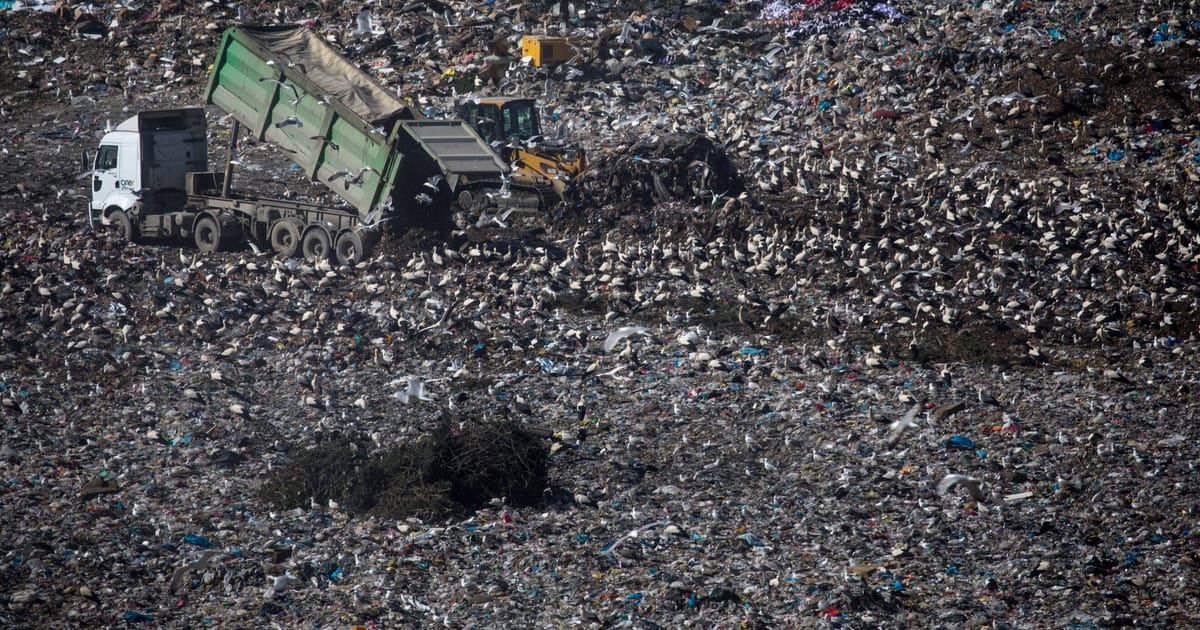
The Commission interviewed several stakeholders who estimated that only around 10% of plastic waste is recycled in Turkey, while the majority still goes to landfills, is mismanaged, or leaks into the environment — which are cited as potential reasons to suspend exports under Article 45 of the EU’s Waste Shipment Regulation.
Nevertheless, the EU executive concluded waste shipments should be allowed to continue.
The assessment focused on Turkey because it’s the biggest importer of European waste by far. Last year the country imported 510,000 tonnes of EU plastic waste, the equivalent of about 25 billion 500ml soft drink bottles. This represented 70% of plastic waste exported to OECD countries, and 36% of all exported plastic waste.
Under the bloc’s Waste Shipment Regulation — which restricts exports of certain types of EU waste to third countries to curb pollution — the Commission was required to assess by May 21 this year whether OECD countries importing large amounts of plastic waste are not causing major environmental or health damages to the country.
Despite flagging “serious problems” linked to domestic and imported plastic waste in its delayed assessment, dated Sept. 1, the Commission determined exports could continue. It found Turkey had strengthened its legal framework for plastic waste management, which “broadly aligns” with international and EU rules, and had improved the enforcement of its environmental legislation.