
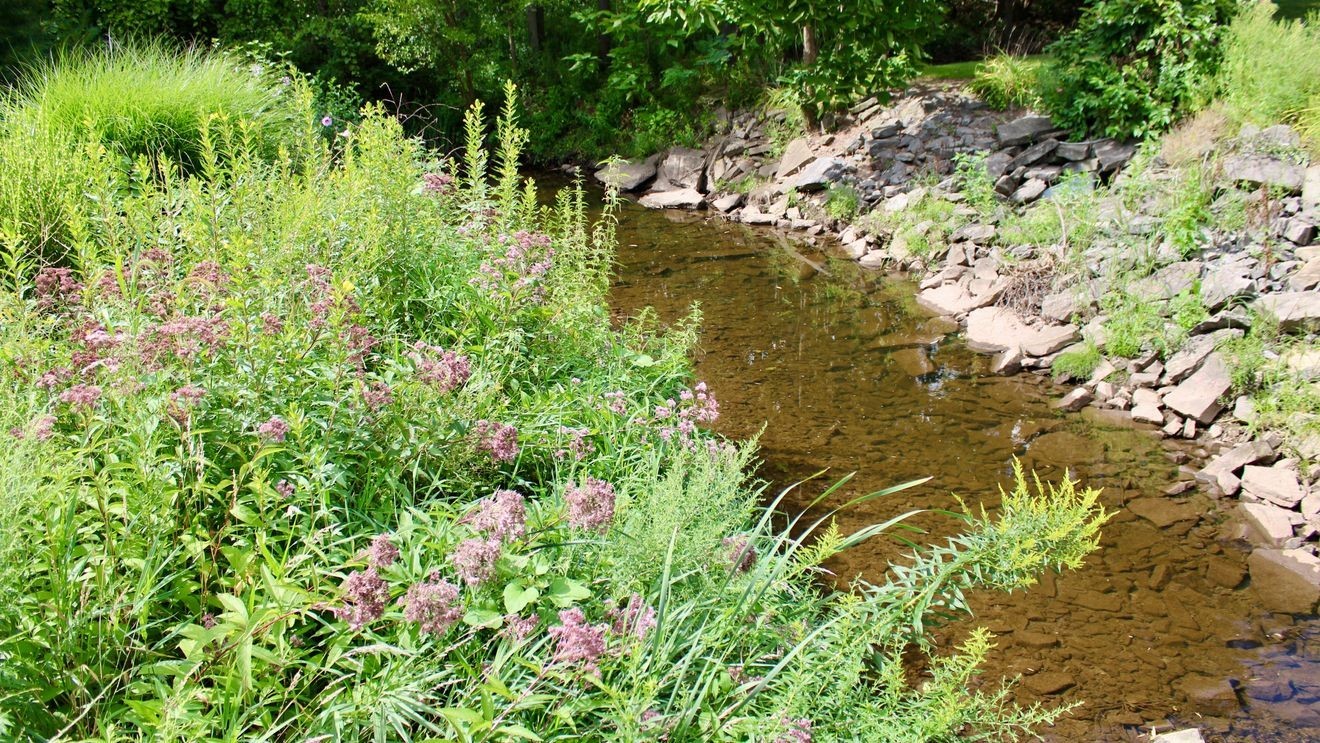
A decades-old Japanese wellness practice known as “forest bathing” is gaining momentum in the U.S., as more research points to measurable health benefits from spending time in nature.
The concept can be as simple as going for a walk outside. Studies show the benefits are real, with one theory suggesting that being in nature exposes people to chemicals from plants that help the gut microbiome. Another theory focuses on mental health and how time outdoors can help the brain recover from constant focus and stimulation. “There’s this attention restoration theory that we spend so much time with directed focused attention that we really need to take a step back into a more relaxed, imaginary, parasympathetic state,” said Dr. Katrin Ramsey, an associate professor of physical therapy at Russell Sage College.
Ramsey, who is board certified in lifestyle medicine, said nature is now being discussed as a potential seventh pillar of lifestyle medicine. The current pillars include nutrition, physical activity, sleep, social connection, avoiding risky substances and managing stress.
As part of a capstone research project, Ramsey’s students used an app to track how much time they spent outdoors and how it affected their stress levels. “The takeaways were that it works really well and that students don’t get enough,” Ramsey said.
Ramsey said people don’t need intense exercise to benefit from time outside. “You could just go sit on a bench and spend a moment, right? Or even bringing indoor nature into your home with a plant is beneficial if you can’t make it outside,” she said.
Recommendations vary on how much time people should spend outdoors. The Environmental Protection Agency recommends two hours in nature per week, while other experts say three to five hours a week is the “sweet spot” for improving blood pressure, anxiety, depression and longevity. “We’re finding out that all the things that we do, spending time indoors, working from home, spending time on the internet, looking at our phone, is leading to a disrupted homeostasis in the human body,” Ramsey said.
Experts also note that location can affect the benefits, with more rural settings offering better results than urban environments.