
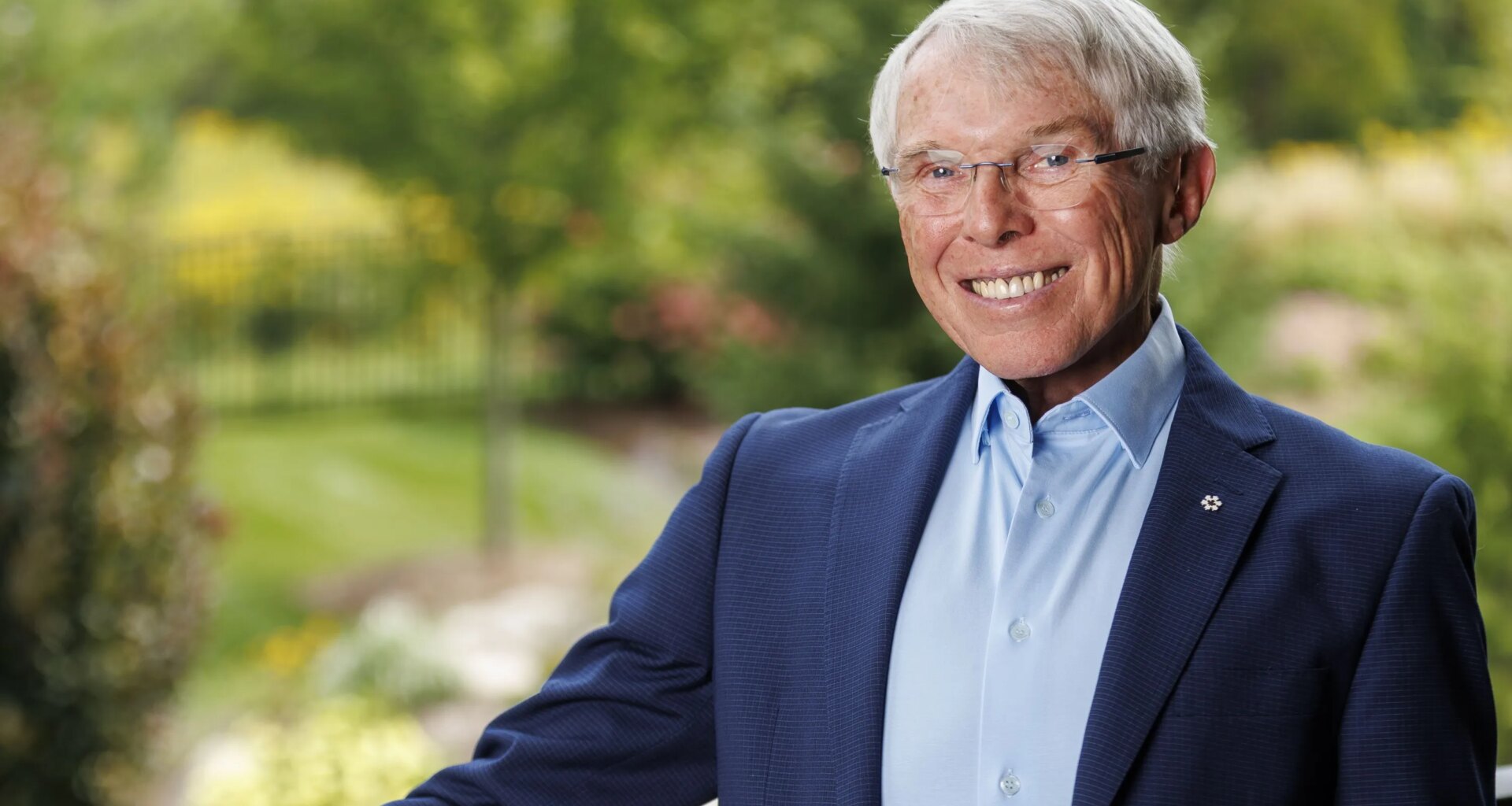
Operation Walk Canada made its first mission to Guatemala two decades ago, providing free hip and knee replacement surgeries to patients who otherwise had no means of receiving them.
The volunteer-based medical organization was co-founded in 2006 by longtime London orthopedic surgeons Robert Bourne and Cecil Rorabeck. Its goal was to offer free hip and knee replacements – or, as Bourne puts it, “free restoration of mobility” – to patients with no other means of receiving the life-changing procedures.
Since that first trip, the organization added Ecuador as a second annual mission destination in 2009. In all, Operation Walk Canada has transformed the lives of roughly 1,600 people through 33 missions to the two countries, Bourne said.
“You see the gratitude in patients and people’s lives because we’ve done over 1,600 hip and knee replacements on our missions now, and we look upon it as we’ve affected 1,600 families,” Bourne said. “So, it’s really quite an amazing feat.”
Hip and knee replacement surgeries are among the most effective orthopedic procedures, reducing pain and helping patients return to active lives, according to the organization’s website.
But the surgeries are costly and complex, putting them out of reach for many patients in developing countries.
“If you don’t have money in Guatemala or Ecuador, you’re not getting healthcare, so the bottom line (is) the need for hip and knee (replacements) is huge,” said Operation Walk Canada board chair Steven MacDonald.
Operation Walk Canada sends teams of volunteer health professionals on its missions, including nurses, physiotherapists and surgeons from across Canada, Bourne said.
Having surgeons from other cities take part in the week-long missions helps avoid putting “such a burden” on patients needing care in London, he said, adding the work has been deeply rewarding for volunteers.
“People kept saying this is the most important thing they’ve done in their life, and they not only volunteered for next year, but many have come for 10 years or 15 years, even 20 years,” Bourne said.
“They all pay for it themselves. People take vacation time; they pay for their expenses going down. So, every dollar that we raise by the goodness of London donors goes to buy the supplies we need to do the surgery, and so it’s just been a remarkable experience for all of us.”
The Guatemala mission typically takes place in November, while the Ecuador mission is generally held in April. Between 100 and 150 patients receive operations each year, depending on the complexity of the cases, Bourne said.
Operation Walk Canada works with doctors in both countries who identify low-income patients in need of surgery. The organization then tries to select those with the greatest need.
MacDonald said all money raised by Operation Walk Canada goes toward the missions, paying for necessities such as surgical instruments and medications. The organization also receives donations from Canadian orthopedic medical supply companies.
“The most expensive thing that we would do would be the implant cost,” MacDonald said.
“The cost of hip and knee replacements. But the companies that we work with give us those in kind. So thankfully, we don’t have to buy the implants.”
To mark its 20th anniversary, Operation Walk Canada set a $1-million fundraising target earlier this year and has reached about 90 per cent of its goal, according to a news release. Through the Bourne family fund, Bourne and his wife, Donna, have committed up to $200,000 in matching support during the campaign.
MacDonald said the money raised will support future missions.
“What better way to celebrate the 20th anniversary (than) with a capital campaign?” he said.
For more information about Operation Walk Canada, visit operationwalk.ca.

Editor’s Picks