

Listen to this article
Estimated 3 minutes
The audio version of this article is generated by AI-based technology. Mispronunciations can occur. We are working with our partners to continually review and improve the results.
For decades, the Department of Fisheries and Oceans (DFO) has been trying to learn more about grey seals in their natural habitat through transmitters. However, data collected through those devices only allowed researchers a partial picture of the creatures’ behaviour.
But things have changed in recent years — and a biologist with DFO is using digital cameras to monitor the behaviour of grey seals near Sable Island. The island off the south coast of Nova Scotia is home to the largest population of grey seals, according to Parks Canada.
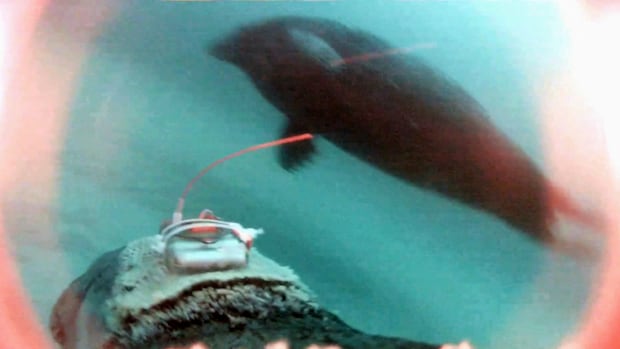
Damian Lidgard currently has small underwater cameras mounted on the shoulders of seven seals. He says linking the information gathered with previous data is important to understand how the mammals live.
“We can come up with behavioural profiles, so we can say a U-shape dive is foraging behaviour, or a V-shape is travelling behaviour,” Lidgard told CBC Radio’s The Broadcast.
One big focus of the research is learning where and when the seals are eating, and exactly what they are foraging on.
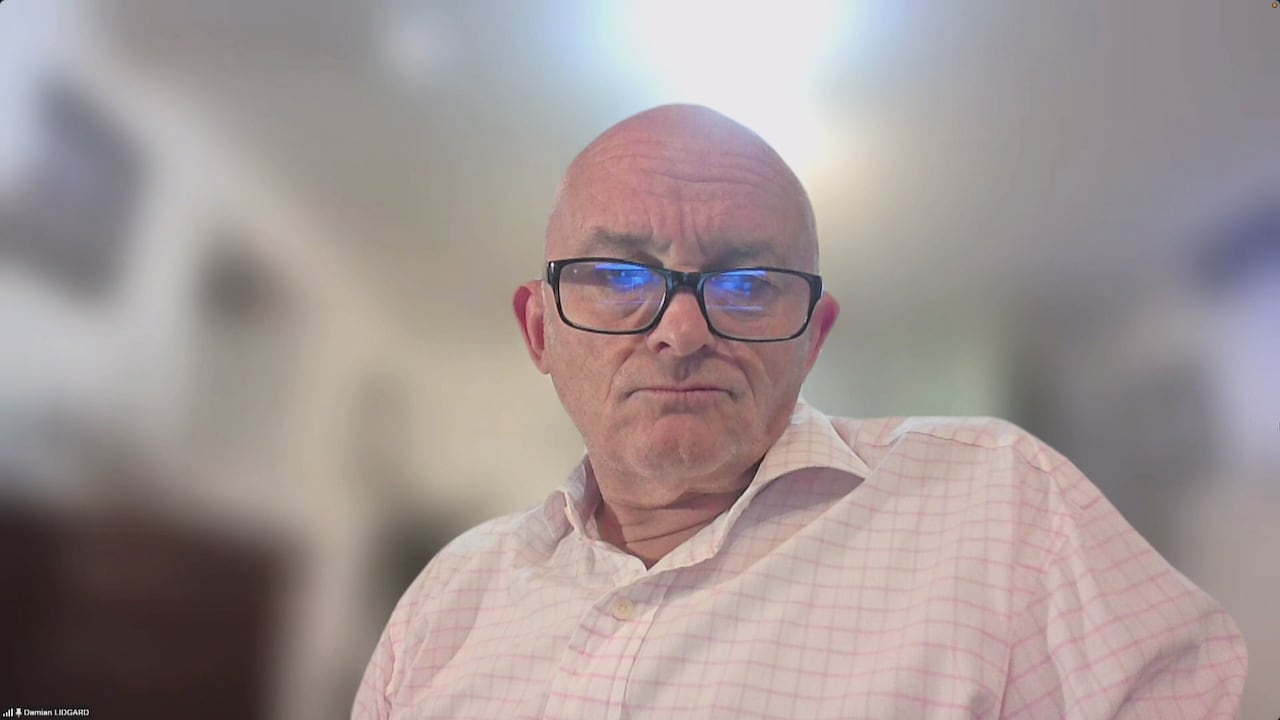 Damian Lidgard is a biologist with the Department of Fisheries and Oceans using digital cameras to track foraging and sleeping patterns of grey seals. (CBC)
Lidgard said from what the videos have captured, he has discovered the seals to be spending a lot of time near the shallow sandbanks of the island, feeding on sand lance, which he described as a small fish that’s easy to consume.
It’s been known grey seals have frequented the sandbanks and DFO’s hunch was that’s where they had been feeding. Lingard said it’s common for these seals to pick a foraging place and stick there.
“They basically dive down and basically suck these fish up, so not very much energy is required… and then they get a big return,” said Lingard.
WATCH | A different perspective on seals, DFO using digital cameras to track the mammal: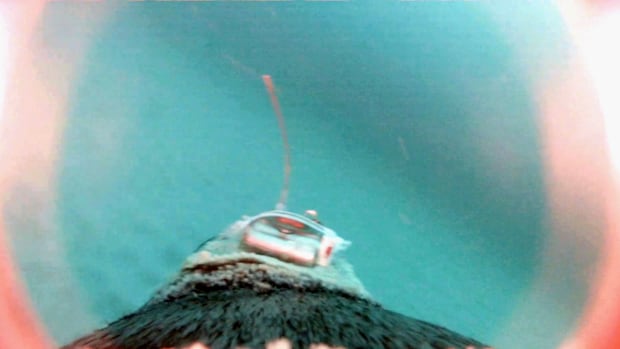
DFO gets a closer look at grey seals in the Atlantic Ocean with digital cameras
Damian Lidgard says for years the department has been trying to better understand grey seals. Now, with special underwater cameras, he is using previous datasets combined with their foraging and sleeping patterns to better understand their behaviour.
Lingard believes the lack of energy it takes for the seals to catch these fish could be why they are catching them. Sand lances are fatty fish and breeding season is coming up, and now would be the time for the females to accumulate their blubber.
In a video sent to CBC, a seal with a camera on its shoulders can be seen swimming in all directions, very close to the shallow waters floor trying to hunt the small fish.
Getting to see this is not something even Lingard does everyday. He said normally, the cameras operate during the night, which doesn’t allow him to see too much, but this female seal’s activity captured in the early hours of the morning.
“It was just really nice footage, very clear, of one of the ways that these grey seals are foraging,” said Lingard.
Download our free CBC News app to sign up for push alerts for CBC Newfoundland and Labrador. Sign up for our daily headlines newsletter here. Click here to visit our landing page.