
The federal government is investing $5 million to expand access to HIV self-testing and peer-based support services across Canada, with a focus on communities facing the greatest barriers to testing and care.
The funding was announced Sept. 10 by Winnipeg West MP Doug Eyolfson on behalf of federal Health Minister Marjorie Michel, alongside Chief Public Health Officer Dr. Joss Reimer.
The investment will increase access to HIV self-test kits and support the hiring of peer workers through community organizations. Officials say the goal is to make testing easier to access, encourage earlier diagnosis and connect people with treatment and prevention services.
Thousands may be unaware of HIV status
About 2,300 new HIV diagnoses were reported in Canada in 2024, while the federal government estimates roughly 7,000 people living with HIV do not know their status.
Reimer said knowing a person’s HIV status remains an important first step in accessing treatment and care.
“By expanding access to HIV self-test kits and community-based peer support, this investment will help more people receive an earlier diagnosis, and connect with the treatment and prevention services that meet their needs,” she said.
Federal health officials say people receiving effective HIV treatment can achieve and maintain an undetectable viral load, which prevents sexual transmission of the virus.
Saskatchewan among higher-rate provinces
Public Health Agency of Canada surveillance data shows 2,288 new HIV diagnoses were reported nationally in 2024, for a rate of 5.5 per 100,000 people.
Saskatchewan recorded a rate of 18.6 new diagnoses per 100,000 people, compared with 19.5 in Manitoba, 4.3 in Alberta and 3.0 in British Columbia.
The federal government says HIV continues to disproportionately affect several populations, including First Nations, Inuit and Métis people, people who share drug-use equipment, gay, bisexual, Two-Spirit and other men who have sex with men, transgender people and some racialized communities.
Related Stories:
Rural and northern access highlighted
The funding is intended to support low-barrier testing, including in rural, remote and northern communities where access to health services and concerns about stigma can make conventional testing more difficult.
Manitoba Harm Reduction Network executive director Shohan Illsley said putting testing tools in the hands of trusted community organizations can help improve access while creating opportunities for education and reducing stigma.
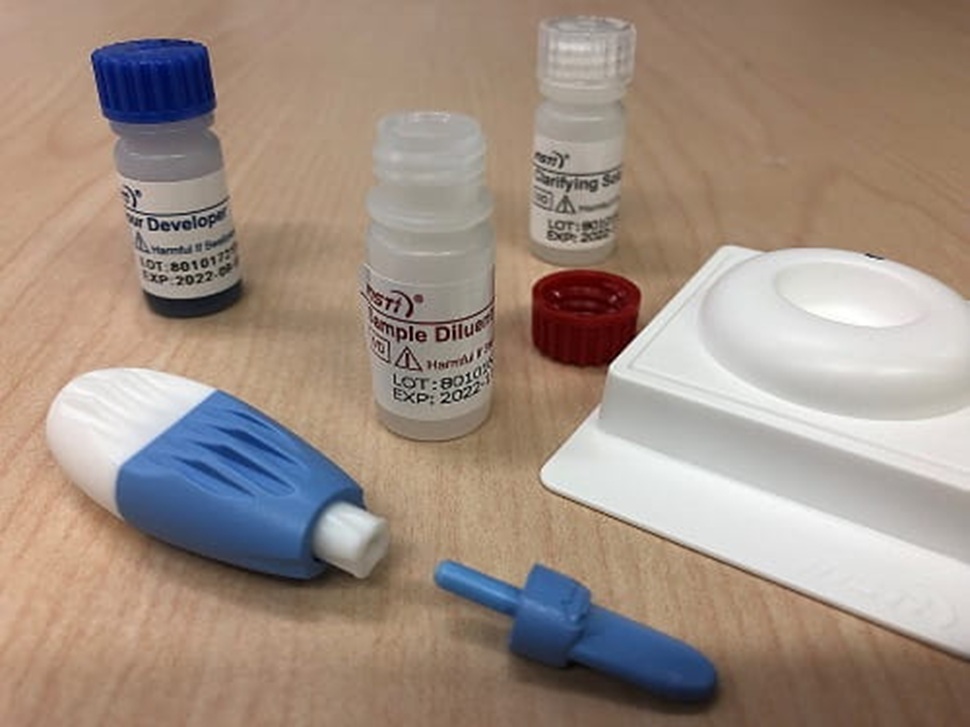
Two HIV self-tests are currently approved in Canada. OraQuick uses an oral swab, while the INSTI test requires a finger prick.
Canada has committed to international targets aimed at eliminating HIV/AIDS as a public health threat by 2030.