
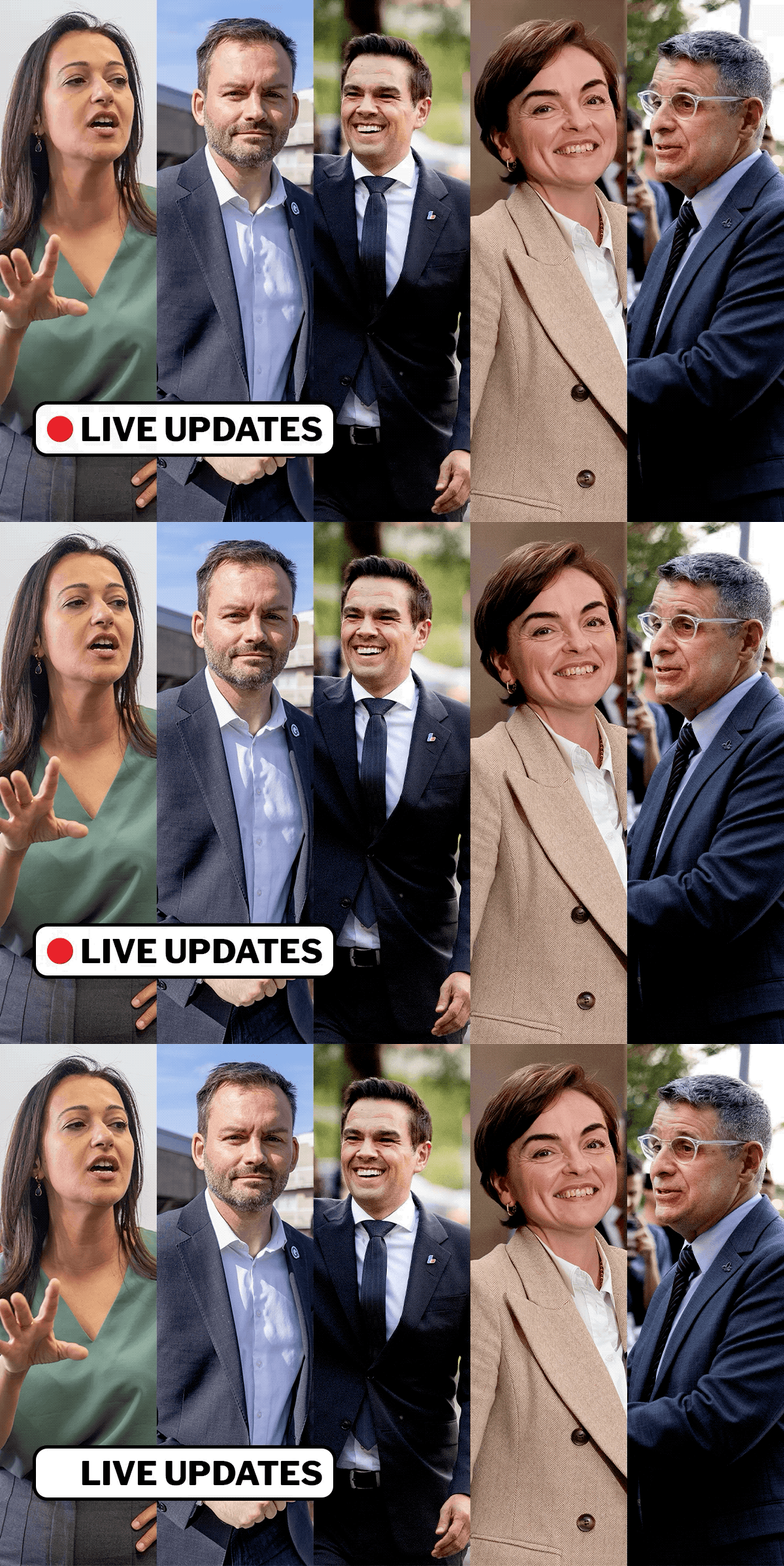
This live blog is being updated throughout the evening. Questions/comments: ariga@postmedia.com
What you need to know
Fréchette vows to respect Montreal anglophones
Anglophones, francophones share ‘the same interests,’ PQ leader says
Liberals would unite Quebecers, Milliard says
Ghazal’s message to anglophones
Would parties cooperate in a minority?
Leaders spar on immigration
PQ leader accused of wanting to drive Quebec ‘into a wall’
Leaders clash on PQ’s referendum plan
After Northvolt, is it time to cut corporate subsidies?
The Trump effect
Helping workers hurt by the trade war
Should Santé Québec be abolished?
A doctor for every Quebecer?
The rise in homelessness
What distinguishes each leader?
Subscribe to our Quebec politics newsletter
Watch the debate live on Radio-Canada
11:15 p.m.
Duhaime appeals to anglophone voters
A reporter asked Quebec Conservative Leader Éric Duhaime what he would do to protect the anglophone community and their rights.
“Anglophone Quebecers are not just voting on anglo rights, they’re also voting on how the province is managed,” he said.
Duhaime said most anglophones don’t want a referendum – and he agrees with them.
He said anglophones who “want to change the Quebec bureaucratic model, the status quo model, well, the Conservatives are your party.”
11:05 p.m.
Fréchette vows to respect Montreal anglophones
A reporter asked Coalition Avenir Québec Leader Christine Fréchette whether, after the election, she would allow CAQ MNAs to declare whether they’re federalists or sovereignists.
Fréchette did not answer. She said her party’s aim is to develop and protect Quebec within the Canadian system.
She said a PQ government would not work full time on the priorities of Quebecers because it will focus a lot of attention on its sovereignty plans.
Fréchette was asked about her decision not to participate in a proposed English-language debate or to give interviews to English-language media, despite saying that she wanted to be more open with anglophones.
“If I get elected on Oct. 5, I will be the premier of all Quebecers, and it is essential for me to respect the English-speaking community in Montreal to make sure their rights are respected.” I want to tell them that under my leadership there will be no referendum.”
10:55 p.m.
Anglophones and francophones share ‘the same interests,’ PQ leader says
PQ Leader Paul St-Pierre Plamondon was asked about recent polls that suggest he may be inching toward a majority government.
What will he do to put himself in majority territory?
“My goal is to win over undecided Quebecers who want change,” he said.
He said he hopes voters will consider the quality of his team of candidates and the vision he has presented in the three debates.
St-Pierre Plamondon was asked how he plans to engage with English-speaking Quebecers in the last few days of the campaign.
He said he plans to give interviews to anglophone media in the coming days.
“My perspective on it is that anglophones and francophones are not only friendly together in their relationships but they have the same interests right now,” St-Pierre Plamondon said.
10:40 p.m.
Liberals would unite Quebecers, Milliard says
Charles Milliard of the Liberals told reporters that the four other parties “in one way or another” want to separate Quebec from Canada.
He said they offer “four nuances of Yes.”
Milliard said voters who want change but don’t want a referendum have only one choice: the Liberals.
Milliard was asked about a comment Fréchette made about the Liberals. She said it’s a “Montreal party.”
In response, the Liberal leader said Fréchette is the one who actually lives in Montreal. (Milliard lives in the Eastern Townships).
Milliard added that he wants to “unite Quebecers – it’s about time that we have a government that wants to talk to all communities in Quebec, and that’s what we’re proposing.”
10:30 p.m.
Ghazal’s message to anglophones
Leaders are holding post-debate press conferences.
Ruba Ghazal of Québec solidaire was the only leader to mention anglophones during the debate.
She was asked what her message is to anglophones.
“They are Quebecers and it’s very important to know that the only political party that will not cut in the public services is Québec Solidaire,” she said.
She said her party would generate more government revenue by taxing high earners.
Ghazal was asked about Quebecers’ apparent lack of interest in sovereignty
In response, she said the 70 per cent of voters who tell pollsters they would vote No in a referendum “aren’t federalists” – they’re people who are worried about issues like the high cost of living.
10:15 p.m.
Would parties cooperate in a minority?
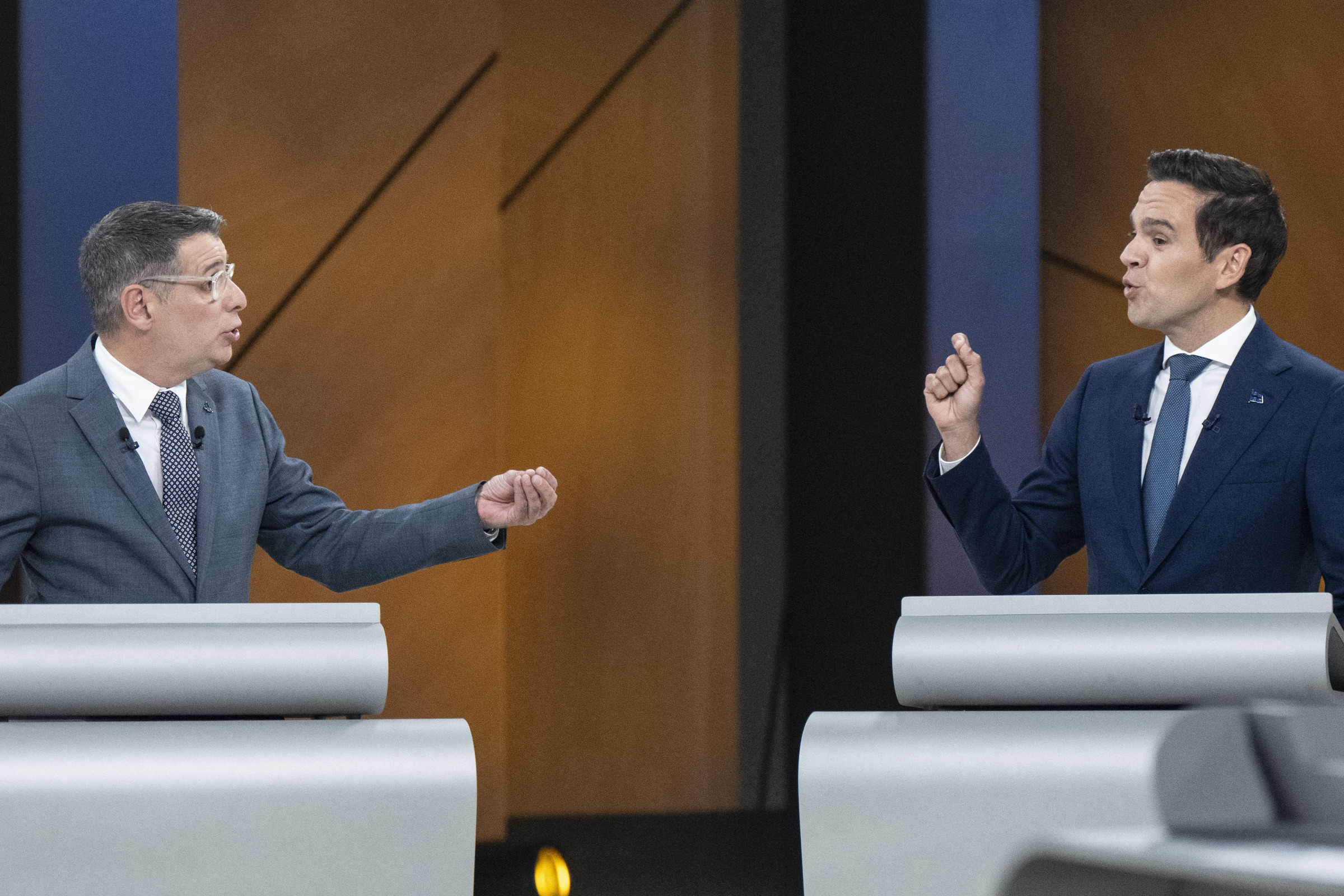 Éric Duhaime, leader of the Conservative Party of Quebec, and Charles Milliard, leader of the Quebec Liberal Party, participate in the third and final televised Quebec election debate. CHRISTOPHER KATSAROV / POOL/AFP via Getty Images
What happens if it’s a minority government – would the parties cooperate?
Milliard says all the leaders are democrats and would collaborate. But he said 12 days remain in the campaign.
Duhaime says Quebecers are telling him that they want a minority government. “They want us to work together,” he said.
Fréchette says the CAQ will respect the choice of Quebecers.
St-Pierre Plamondon says the PQ will work with other parties if it’s a minority, but he says Quebec would be better off with a majority government because it would be more stable.
Ghazal says Québec solidaire will protect Quebecers from the austerity that the other parties will bring about.
9:55 p.m.
Leaders spar on immigration
Millard said companies in the regions need immigrants to survive. He accused Duhaime, who wants to slash the number of newcomers, of not respecting immigrants.
Duhaime said one must make a distinction between immigrants and asylum seekers. He said asylum seekers are coming to Quebec to benefit from the province’s social services.
Fréchette said foreign workers are crucial in the regions. She said when the CAQ came to power, 20 per cent of immigrants settled in the regions, a number that has since doubled. Her target is 50 per cent.
St-Pierre Plamondon said a PQ government would reduce temporary and permanent immigration. He said polls show that’s what Quebecers want.
He said the rise in immigration in recent years has exacerbated the housing crisis, endangered French and overloaded government services.
9:45 p.m.
PQ leader accused of wanting to drive Quebec ‘into a wall’
St-Pierre Plamondon has said he would hold a referendum after January 2029.
He is asked: What happens if, at that point, he realizes that the No side would win? Would he delay the referendum?
St-Pierre Plamondon says he’ll stick with his plan.
Milliard jumps in to mock the PQ leader’s decision to wait until at least 2029.
St-Pierre Plamondon says Quebec is living through unusual times with Donald Trump as the U.S. president and “it’s not the time to reflect on our future.”
He accuses Milliard, Fréchette and Duhaime of not promising enough to protect the French language and Quebec’s autonomy.
Duhaime, who voted Yes in 1995, countered that Quebec was weakened by that referendum. He says the same thing happened after the 1980 referendum.
“Why do you want to drive Quebec into a wall, Mr. St-Pierre Plamondon?” Duhaime asks.
Milliard says he too is passionate about Quebec and the fact that Quebec is in Canada. He says the Liberals are the only real federalist party in the election, saying Fréchette cannot be trusted.
He says being a federalist doesn’t mean not having demands for the federal government. Milliard says Quebec should take control over the temporary foreign worker program.
Fréchette says the CAQ won gains within Canada, and has managed to protect the French language and win federal gains.
9:30 p.m.
Leaders clash on PQ’s referendum plan
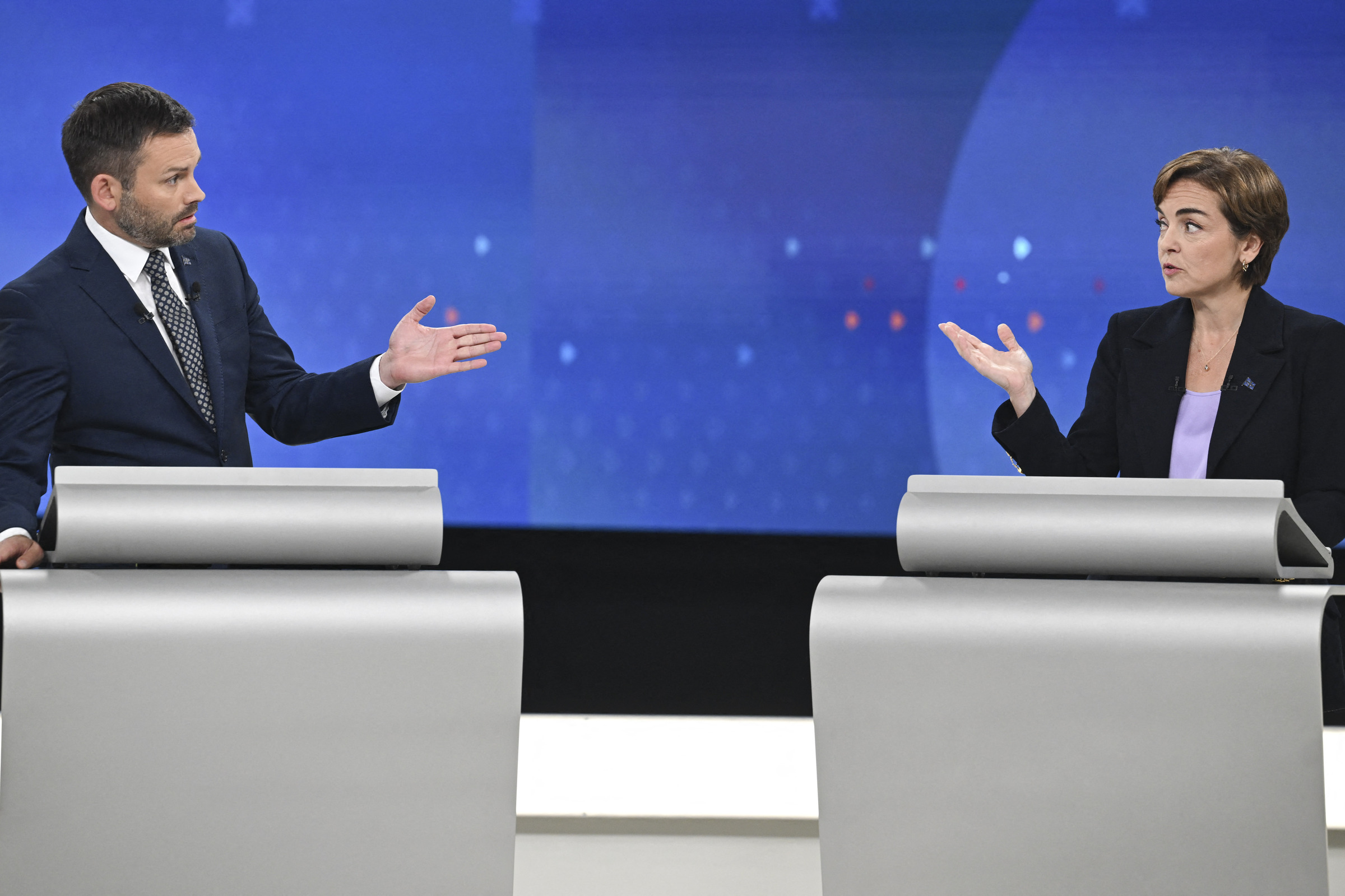 Paul St-Pierre Plamondon, leader of the Parti Québécois, and Christine Fréchette, leader of the Coalition Avenir Québec, participate in the third and final televised Quebec election debate. GRAHAM HUGHES / POOL/AFP via Getty Images
In 30 years, will Quebec be a sovereign country?
Ghazal says it will be. She says it’s a democratic project that should bring together Indigenous Peoples, immigrants and anglophones.
Milliard does not answer the question. Instead, he says Quebecers are currently in a “referendum election” because the PQ and QS want to hold a referendum. He says Quebec is better off within Canada. He says that doesn’t mean he always agrees with the federal government.
St-Pierre Plamondon says the moment is coming when Quebec will decide to become a country.
Fréchette also does not answer the question. She says if she is premier Quebec will not have a referendum. Her priority is making gains within Canada.
Duhaime also does not answer the question. He says 70 per cent of Quebecers don’t want a referendum. “At a certain point, the PQ will have to listen to those people,” he said. He said St-Pierre Plamondon is “obsessed” with sovereignty.
9:20 p.m.
After Northvolt, is it time to cut corporate subsidies?
Leaders talk over each other when the subject of Northvolt comes up.
Quebec invested more than $500 million in the battery plant before the venture failed.
Milliard says that under the CAQ, it was an “open bar” for corporate subsidies. He says that would not happen with the Liberals, though he would continue to support businesses financially.
Duhaime accuses Milliard of supporting Northvolt at the time.
The Conservative leader says governments should not be deciding “winners and losers” in business. He says the province should instead cut taxes and stop subsidizing businesses, measures that would stimulate the economy.
St-Pierre Plamondon says the PQ would provide support to small and medium-sized Quebec businesses instead of favouring multinationals the way the CAQ did.
9:10 p.m.
Quebec’s big budget hole
Quebec’s difficult financial situation means the province faces a projected $5-billion shortfall if it hopes to return to a balanced budget by 2029-30, according to the auditor general.
Milliard says the Liberals have the best economic team and the most realistic financial framework. He says his government would meet the balanced budget target.
Duhaime says the Conservatives would cut $47 billion from Quebec’s budget, by eliminating corporate subsidies and cutting 20,000 public service jobs. He said the CAQ has destroyed Quebec’s finances.
Fréchette says her government would not slash subsidies to companies because they need the help, especially amid a trade war.
St-Pierre Plamondon said that under the CAQ, Quebec’s bureaucracy has ballooned, with thousands of new employees who do not provide services to the public. He says the PQ would cut subsidies and reduce the bureaucracy in areas that would not affect services to the public.
9 p.m.
The Trump effect
Duhaime says any trade deal with the U.S. should be mutually beneficial.
He says any deal signed with the U.S. will be negotiated by the federal government, not Quebec. He said the Mark Carney government promised a deal but it hasn’t materialized.
Milliard says a strong economic team is needed but under the CAQ the province has not had one. He says the CAQ has not worked closely enough with the federal government to boost Quebec’s economy.
Fréchette says Quebec has to diversify its economy and trade more with other provinces. She says there’s mutual respect between the CAQ government and the Carney government.
Duhaime says Trump has been in power for almost two years and the CAQ did nothing until recently, unlike Ontario which was helping its businesses and reducing interprovincial trade barriers.
St-Pierre Plamondon and Ghazal say Quebec is being left in the dark by Ottawa and ignoring the province’s interests in the trade war.
8:50 p.m.
Helping workers hurt by the trade war
The CAQ government has said that about 30,000 jobs are at risk due to the trade war with the U.S.
Fréchette says Quebec must help businesses affected by the trade dispute. But she said it should also see the situation as an opportunity to transform the province’s economy.
Milliard says Quebec should give affected companies tax breaks and make part of the loans they’re receiving non-reimbursable. He said the province’s mining, forestry and agriculture sectors are being ignored by the CAQ.
Duhaime says Quebec should significantly slash business taxes and reduce trade barriers with other provinces. He also said Quebec should exploit shale gas in the province.
St-Pierre Plamondon says all the leaders agree that businesses should be helped. He said the question is which party can you trust to follow through and protect Quebec companies.
8:40 p.m.
Should Santé Québec be abolished?
St-Pierre Plamondon and Duhaime both want to abolish Santé Québec.
The PQ leader says Santé Québec adds more bureaucracy, wastes money and isn’t accountable.
The Conservative leader says the private sector is the answer because it will add “competition” to the system.
Milliard and Ghazal attacked those ideas, saying Quebec doesn’t need another debate about health structures – and it should prioritize the public system.
8:30 p.m.
A doctor for every Quebecer?
How would each leader improve access to doctors?
Fréchette says it’s a difficult situation but cites statistics she says show that the situation is improving. She says the CAQ wants to set up a system where people who don’t see a doctor quickly enough can use the private sector.
But Milliard says Quebecers were “betrayed” by the CAQ, which had promised to cut wait times in emergency rooms and improve access to doctors. He says the Liberals would focus more on telemedicine.
St-Pierre Plamondon says the CAQ keeps promising a doctor for every Quebecers but has not made headway. He says the PQ would improve the CLSC network to reduce hospital visits and focus on preventing mental health emergencies.
Ghazal says the CLSC network is a “shadow of its former self” due to neglect. She says Québec solidaire wants to spend $1.8 billion to hire nurses, psychologists and other health professionals at CLSCs.
Duhaime says under the Conservatives, Quebecers who aren’t treated promptly in the public system could use the private system at no cost.
8:15 p.m.
The rise in homelessness
The leaders are asked about the one-year-old baby recently found at a homeless encampment on Notre-Dame St. E. in Hochelaga-Maisonneuve.
Milliard called the discovery of the baby “alarming.” He said the Liberals would fund a program to help prevent homelessness and noted that one of his candidates is James Hughes, the former CEO of Mission Old Brewery.
Duhaime said the Conservatives want to hire more doctors, nurses and social workers and better fund community groups.
Fréchette said the CAQ will work with municipalities and community groups and has announced $250 million to fight homelessness.
St-Pierre Plamondon said over the past eight years under the CAQ, homelessness has spiralled. He vows to cut the number of homeless people in Quebec in half over four years.
Ghazal refers to homeless people dying in the streets of Montreal in winter conditions. She says Québec solidaire would help community groups on the front lines and improve the housing situation generally.
8:10 p.m.
What distinguishes you?
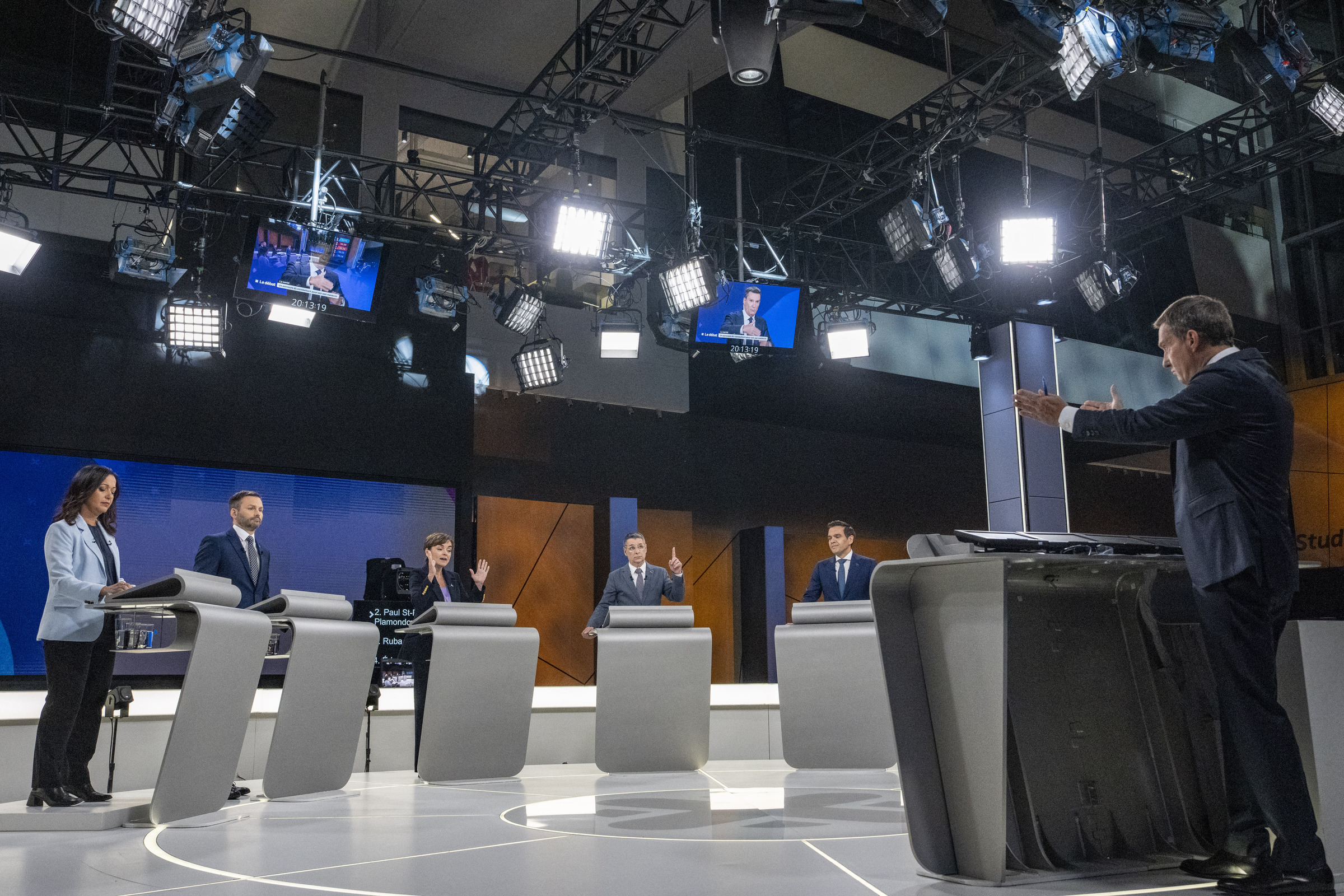 Leaders of Quebec’s five major parties take part in the third and final televised Quebec election debate. CHRISTOPHER KATSAROV / POOL/AFP via Getty Images
Each leader is asked what distinguishes them from the others.
Fréchette says the CAQ’s plan to help families, including more money for parents who use daycares in elementary schools, and improvements to parental leave programs.
Milliard says the Liberals are “the party of the economy” and the only one that can improve public services, including health and education.
Ghazal says Quebecers are very worried about the housing crisis and the high cost of living. She blames other parties for not taking the issues seriously.
St-Pierre Plamondon says the PQ has “intelligent policies,” authenticity and political courage. He says his team can provide the changes Quebecers want.
Duhaime says Quebec’s “bureaucratic model” has reached the end of its life. He says other parties want to “patch it,” while the Conservatives want to modernize it by slashing billions from government spending and tax cuts.
7:40 p.m.
Tonight’s five themes
The debate will focus on five themes, Radio-Canada says:
The future of Quebec
Economic uncertainty
The budget
Children
Health
7:25 p.m.
Leaders’ last words before the debate
C’est le dernier débat des chefs ce soir.
Je suis fébrile. On arrive à un moment charnière de la campagne. Et comme on dit : jamais deux sans trois !
Avant d’aller croiser le fer avec mes quatre collègues chefs de parti, je veux surtout vous dire merci.
Merci pour votre… pic.twitter.com/OVWjFi3U2S
— Christine Fréchette (@CFrechette) September 23, 2026
Face à l’explosion du coût de la vie, les Québécoises et les Québécois ont besoin qu’on remette de l’argent dans leur portefeuille.
C’est exactement ce que nous ferons avec des mesures concrètes:
⚜️ Baisser le prix de l’essence;
⚜️ Détaxer les produits de seconde main;
⚜️… pic.twitter.com/qjWSIGhRwM
— Parti Québécois (@partiquebecois) September 23, 2026
En entrevue avec @la_lesaffaires, j’ai été clair : Le Québec doit prendre une nouvelle direction. Mon gouvernement libéral réparera nos finances publiques et nos services, puis ramènera le budget à l’équilibre. À la fin de notre premier mandat, le Québec sera doté d’une nouvelle…
— Charles Milliard (@CharlesMilliard) September 23, 2026
C’est l’heure du débat !
J’ai hâte d’y être pour vous parler de ce qui compte vraiment pour vous: le coût de la vie, le logement, l’environnement et l’avenir du Québec.
Le 5 octobre, pas question de donner un chèque en blanc aux quatre partis qui nous proposent l’austérité. On… pic.twitter.com/6C2UrZ39XJ
— Ruba Ghazal (@RubaGhazalQS) September 23, 2026
7:10 p.m.
Protesters are out in force
7:05 p.m.
Leaders arrive at Radio-Canada
Coalition Avenir Québec Leader Christine Fréchette’s bus was initially blocked at first by protesters. She’s the last leader to arrive. pic.twitter.com/QrU7MFQ2j0
— Kalina Laframboise (@KayLaframboise) September 23, 2026
7 p.m.
A pivotal debate
Welcome to our live coverage of tonight’s third leaders’ debate.
It’s the midpoint of a tight election campaign, with the outcome still very much up in the air.
7 p.m.
What’s at stake for each leader in tonight’s debate
With less than two weeks until election day, tonight’s debate could be the last real chance for leaders to change the trajectory of the campaign.
While each leader faces a different challenge, the debate is likely to revolve around one question: can Paul St-Pierre Plamondon convert the Parti Québécois’s lead into a majority government?
Christine Fréchette
Her goal: revive a fading campaign and save her political future.
Fréchette initially helped the Coalition Avenir Québec recover after a difficult start to the year, particularly among francophone federalist voters.
But recent polls indicate the revival has lost steam, with some analysts suggesting Fréchette’s combative demeanor in the first two debates harmed her standing. She may be in a battle to win her own seat in Trois-Rivières.
She will be pressed on her ambiguity over her position on Quebec sovereignty, and the CAQ’s eight-year record under her predecessor. François Legault was deeply unpopular when he quit.
Paul St-Pierre Plamondon
His goal: convince voters his party deserves a majority government.
His Parti Québécois has long led the polls but projections suggest it may only win a minority.
Polls show the PQ gaining strength, particularly among older voters and in key suburban ridings north and south of Montreal, raising the prospect that he could win the 64 seats needed for a majority.
Yet St-Pierre Plamondon still faces the challenge that has defined the campaign: convincing PQ-curious voters that another referendum is not a risk they should fear. About 70 per cent of Quebec voters say they would vote No.
Charles Milliard
His goal: convince federalists his Liberals are the best option for stopping the PQ.
In the debate, he’ll focus heavily on sovereignty, arguing the Liberals are the only true federalist party and warning of the risks of a third referendum.
Seven months after becoming leader, he is still trying to raise his profile. Polls suggest voters don’t yet see him as a potential premier.
Éric Duhaime
His goal: turn rising support into seats, particularly in the highly competitive Quebec City region.
He says a strong Quebec Conservative showing could allow his party to hold the balance of power in a minority National Assembly.
He wants his Conservative Party of Quebec to win at least 12 seats, giving it official party status in the National Assembly.
The Conservatives have risen in the polls thanks to a campaign focused on Quebec City and surrounding regions, with promises of tax cuts and smaller government.
Quebec Conservatives have not won a seat in the province since the 1930s.
Ruba Ghazal
Her goal: stop support from bleeding away and emphasize her party’s role as the voice of progressive voters.
Her left-of-centre, pro-sovereignty Québec solidaire is in fifth place, with polls putting some Montreal strongholds at risk.
Ghazal is expected to continue her focus on bread-and-butter issues such as grocery prices and the lack of affordable housing.
Those are among voters’ top concerns, yet Québec solidaire has so far struggled to translate them into broader electoral support.
7 p.m.
What the polls are saying
7 p.m.
Advance voting starts soon. Here’s what to know
 Tim Snow /THE GAZETTE
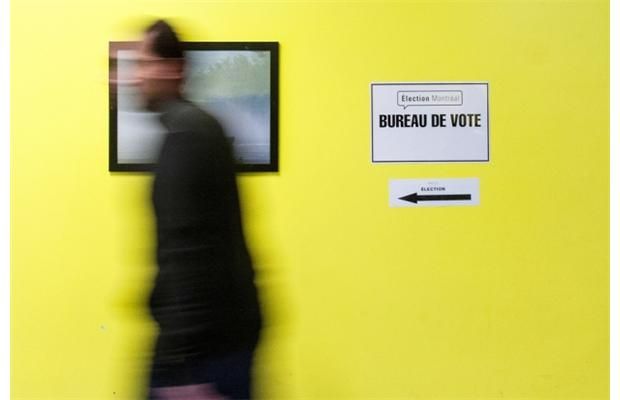
Advance voting begins Sunday.
Here’s how to check that you’re on the list, what ID you’ll need, and the different ways to cast a ballot before Oct. 5.
Read our full story, by Andy Riga
7 p.m.
Here’s who is running in your riding
7 p.m.
Subscribe to our newsletter

The Gazette’s On Quebec Politics newsletter breaks down key election issues, from polling shifts to legislative manoeuvring to ideas circulating in francophone commentary that don’t make it into English-language coverage.
To sign up, visit this page and check the box labelled “On Quebec Politics” before providing your email address.
7 p.m.
Libman: After two leaders’ debates, what’s changed in the Quebec election?
The Parti Québécois may be closer to winning than it was last week, but the Liberals could start to move the needle.
7 p.m.
A PQ minority could face an uphill battle from Day 1
Quebec’s splintered five-party race could hand the province a minority government on Oct. 5 — and the same fragmentation that produces it could make it difficult to hold together.
Read our full story, by Andy Riga.
7 p.m.
Cut jobs? Tax the rich? How will parties balance the books?
Increased spending will require increased revenue, while tax cuts might make for a leaner government. Whatever gap remains between spending and income could result in more debt.
Here’s what the five main parties are saying.
Read our full story, by Jack Wilson.
7 p.m.
Without that French connection, Liberal election win is ‘impossible’ for Milliard
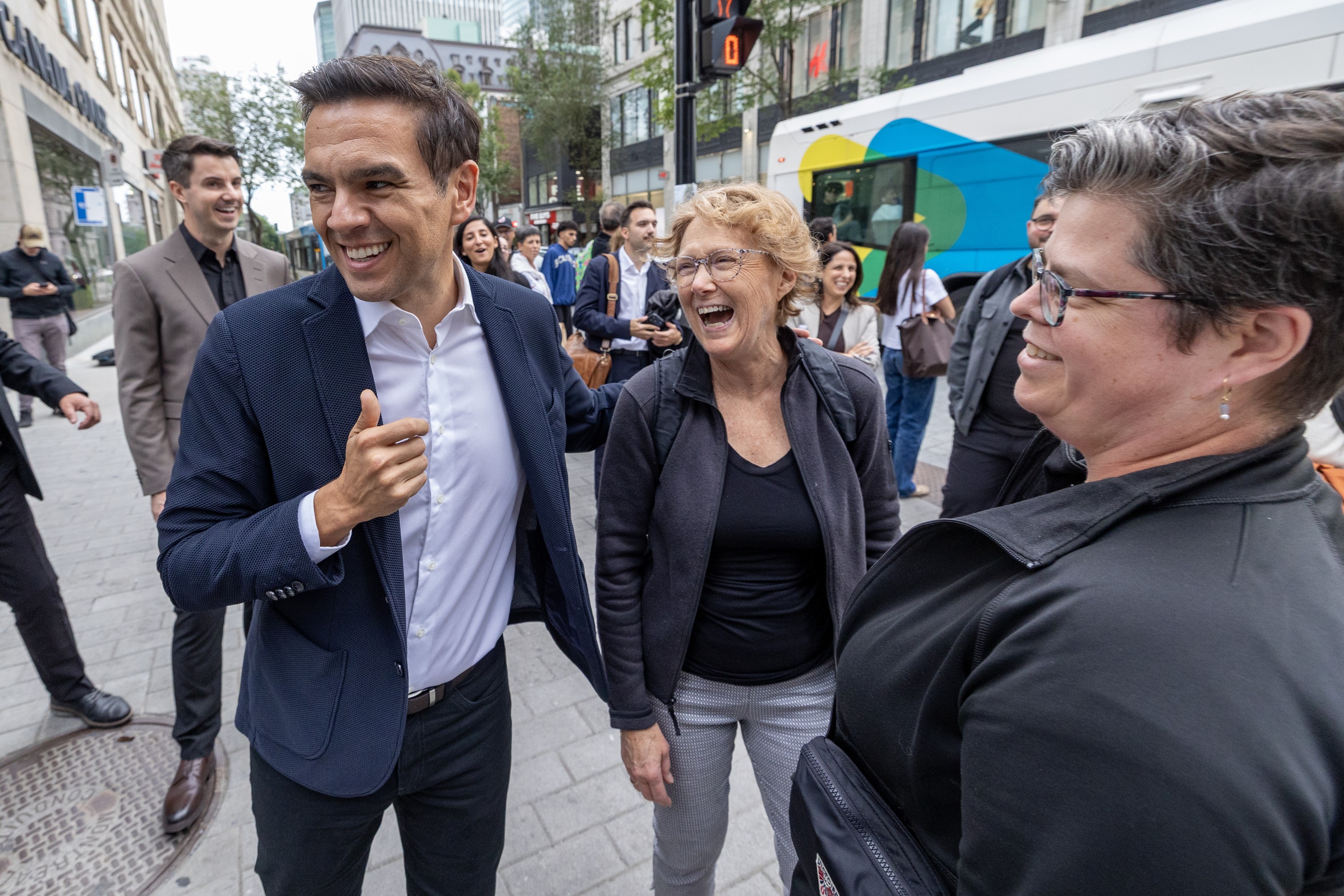 Quebec Liberal Party Leader Charles Milliard chats with supporters at the corner of Peel and Ste-Catherine Sts. on Sept. 10, 2026. John Mahoney / Montreal Gazette
“What will you do to convince francophone voters?”
The question lies at the heart of Quebec Liberal Leader Charles Milliard’s Achilles’ heel for close to a decade: the party’s inability to win over francophones who make up most of the population in the vast majority of the province’s 127 ridings.
Read our full story, by René Bruemmer.
7 p.m.
A third referendum? Trump is just one of many hurdles for PQ
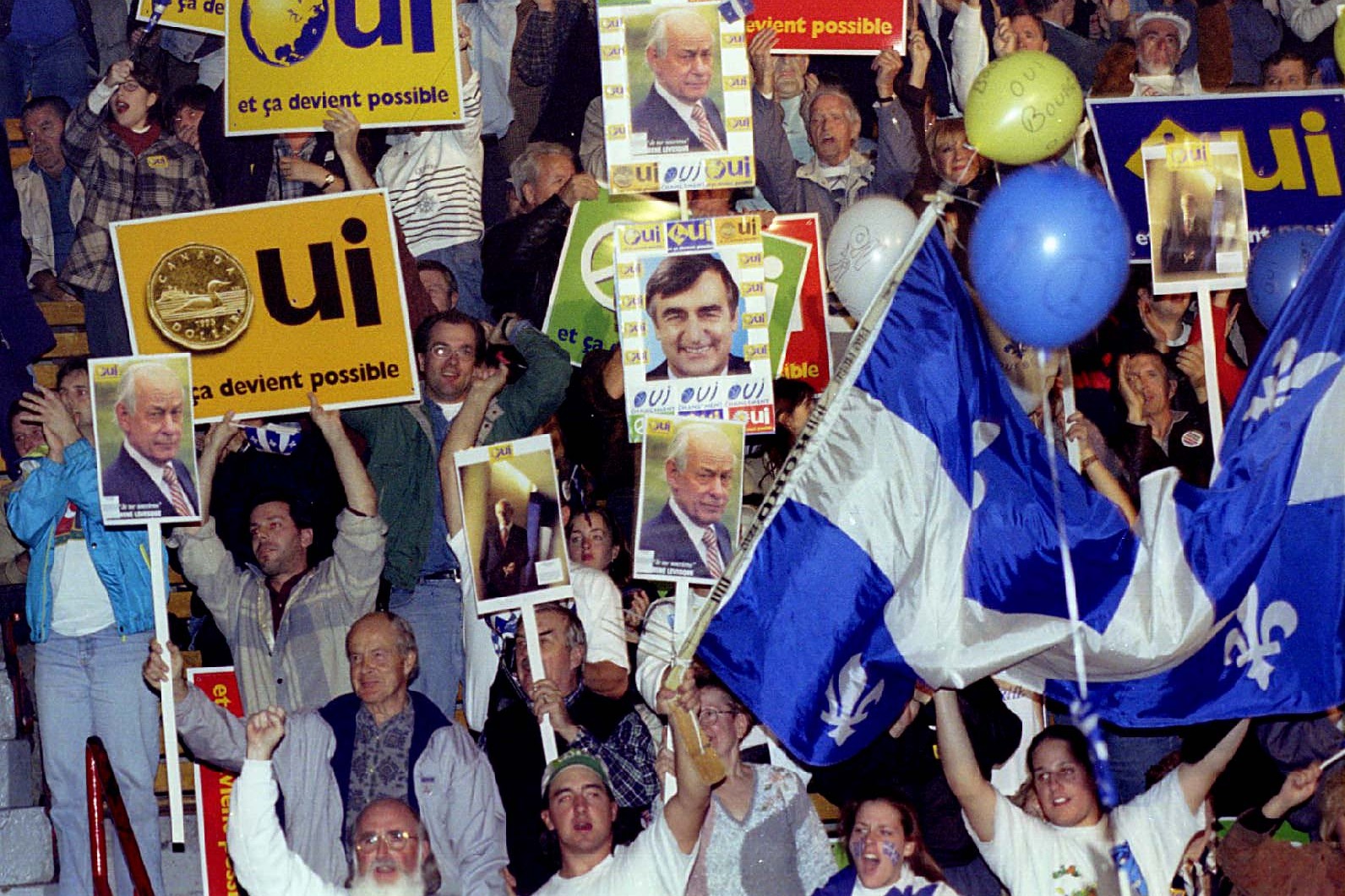 Sovereignists rally at the Verdun Auditorium on Oct. 25, 1995, during the referendum on Quebec separation. John Kenney / Montreal Gazette
Parti Québécois Leader Paul St-Pierre Plamondon has pointed to U.S. President Donald Trump and global economic uncertainty to justify delaying any sovereignty referendum until 2029 or 2030.
But Trump’s trade war with Canada is only one of multiple obstacles facing the independence movement.
Sovereignty has struggled for years with stagnant support, voter concerns about the economy, divisions within the nationalist camp and little sense of urgency to break from Canada.
Read our full story, by Andy Riga
7 p.m.
Conservative breakthrough? Why Éric Duhaime is driving hard in Quebec City
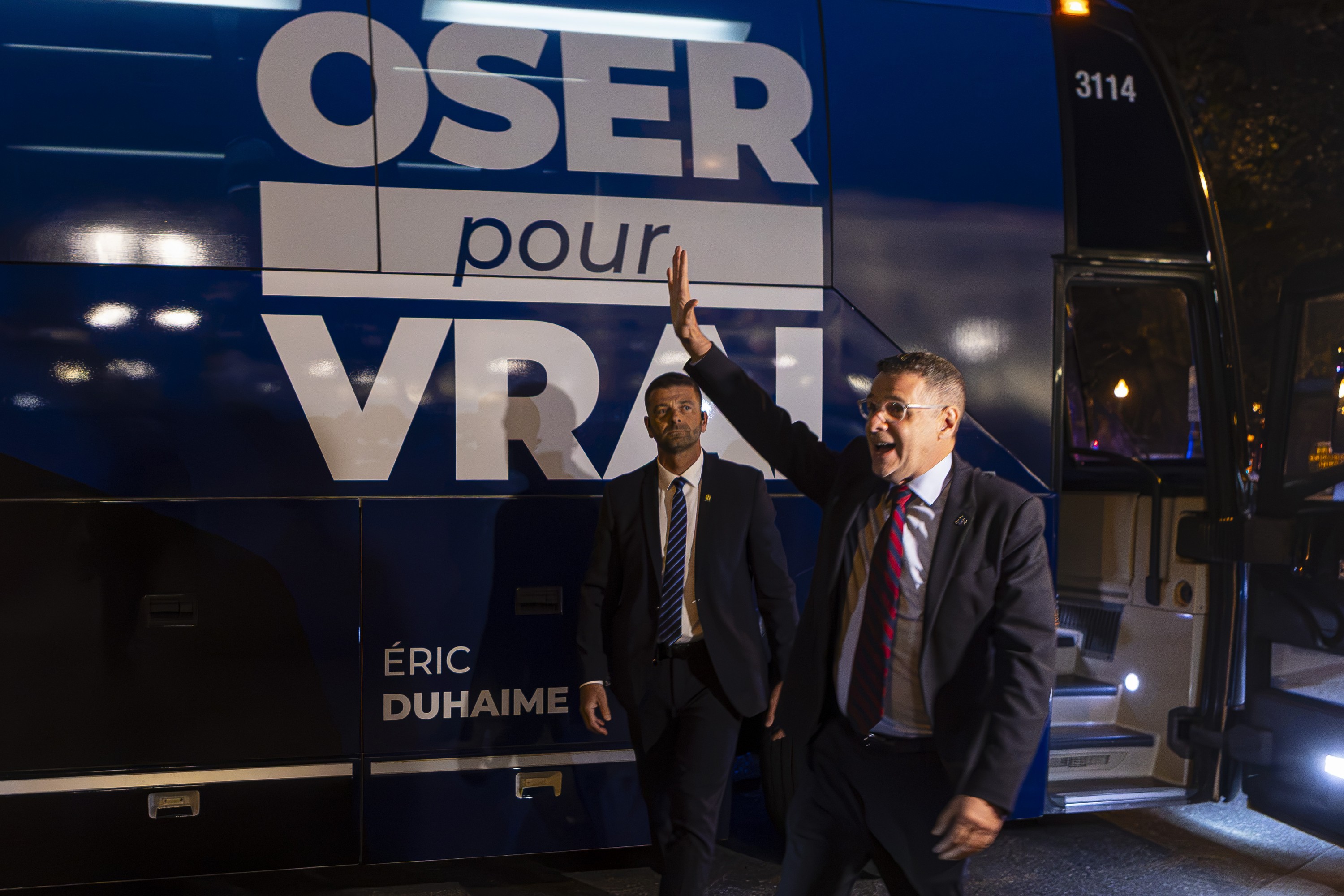 Quebec Conservative Leader Éric Duhaime waves to his supporter as he arrives at the National Assembly on Sept. 9, 2026. Francis Vachon / Francis Vachon
Rather than campaigning across Quebec, Éric Duhaime is focusing most of the party’s efforts in Quebec City and surrounding regions.
His goal is clear: obtaining an even dozen seats that would give the party official status in the National Assembly.
Read our full story, by Philip Authier.
7 p.m.
Hanes: Climate change is the forgotten issue of the Quebec election
A series of existential matters has been competing for the attention of voters and dominating the discourse of campaigning party leaders ahead of the Oct. 5 Quebec election.
But the biggest threat, which has stared us in the face for decades, is barely registering on the campaign trail.
Climate change has fallen off the radar.
Read Alison Hanes’s full column.
Editor’s Picks
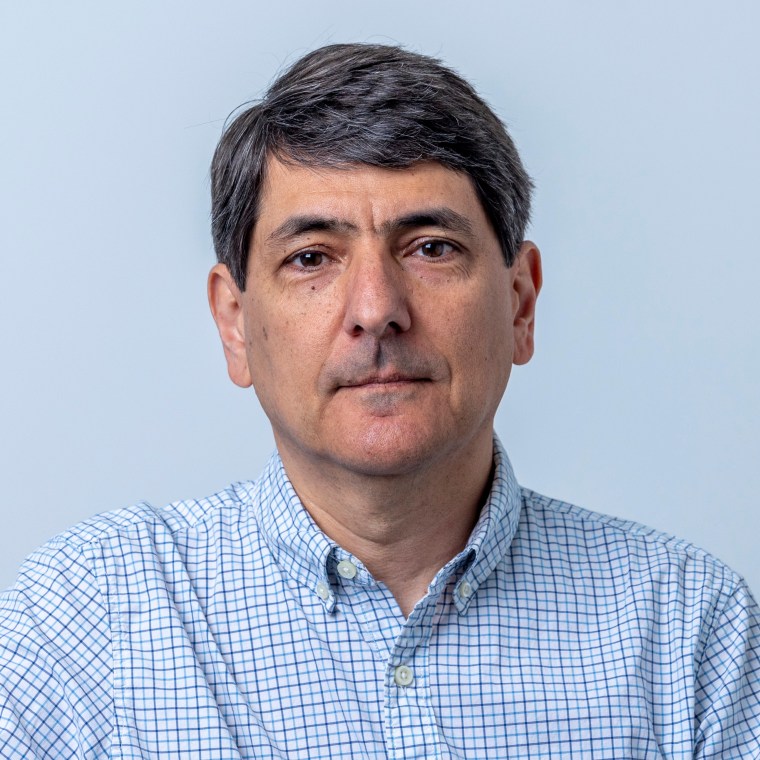
A Montreal native, Andy Riga has been with The Gazette since 1991. He covers politics, language and other Quebec issues, and writes the On Quebec Politics newsletter. Montréalais d’origine, Andy Riga travaille au Montreal Gazette depuis 1991. Il couvre la politique, les enjeux linguistiques et d’autres sujets, et est responsable de l’infolettre On Quebec Politics.
ariga@postmedia.com