
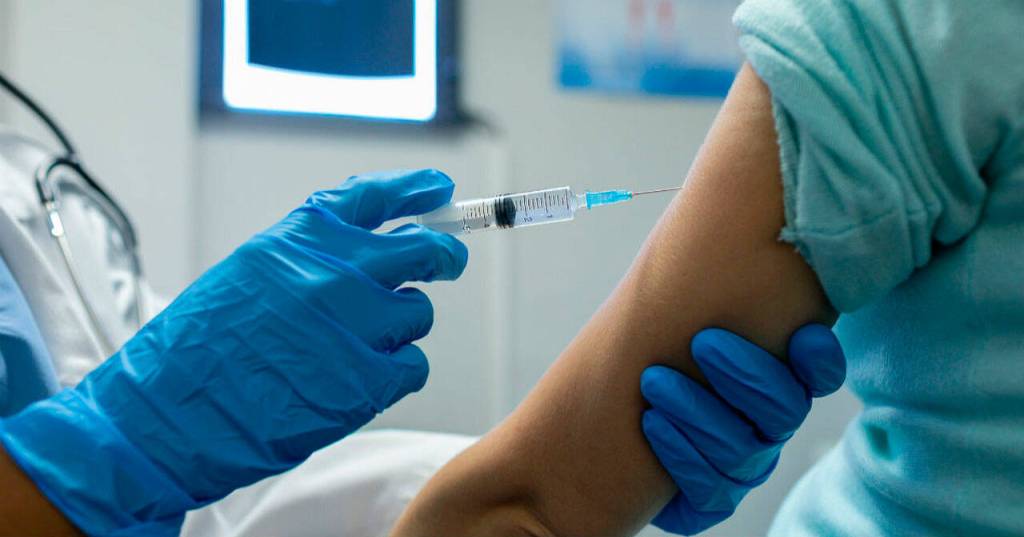
Flu season appears to be arriving early in the Yukon according to the Chief Medical Officer of Health with the territory already seeing numbers of lab-confirmed influenza cases reach well into the double digits.
According to the Yukon’s chief medical officer of health, Sundit Ranade, as of Sept. 23 around 19 cases of Influenza-A have already been confirmed by laboratory tests in the Yukon.
Speaking in a phone interview, Ranade said that while the number may not appear substantial, this case-load represents a significant increase in flu activity when compared to a typical year.
“19 doesn’t sound like that big of a deal, [but] when we look at our previous year’s data, typically we would expect half that number of cases over the whole period from September, October, November, and December so that’s a substantial difference that we’re seeing early,” Ranade said.
The marked uptick in caseload has even included some cases that required hospitalization for some patients, however Ranade said that isn’t necessarily a cause for concern yet and that patients hospitalized belonged to demographics more susceptible to illness such as people who are elderly or immunocompromised.
According to Ranade, the early arrival of the flu makes the Yukon somewhat unique within Canada.
“We did a poll of other jurisdictions to find out if other [areas] are seeing [early arrival] too, because that would help us to determine if it’s early everywhere and it’s early for us, then we’re not an outlier,” Ranade said.
“But only a couple of other jurisdictions reported that they were seeing a little bit of early influenza activity so this is not a widespread Canada phenomenon.”
The early arrival is especially unusual in the Yukon which typically sees a later start to flu season than the rest of Canada. While the reasons for this are still not fully understood, Ranade said that many northerners’ keenness to stay outside and extend the dog days of summer may play a part.
“Generally speaking, when people are outside more, they’re interacting, but they’re not as close to each other, and they’re not in closed air environments as much so that’s typically why you see a rise in respiratory infections as people start to head indoors,” Ranade said.
“In the north, [that] typically happens a little bit later than it happens in the southern parts of the country. In the South, you typically see a flu season that starts late September and by mid October is in swing. For us it’s a month after that.”
It’s still too early to say what exactly is driving this unexpected arrival of the flu virus though Ranade said that increased travel between jurisdictions can sometimes bring about increased transmission.
“It could have been brought into the Yukon from some routine seasonal travel patternsPeople leave in the summer, they go to different places, they go to visit their families and so forth, and then come back. So it could have been from that,” Ranade said.
“So we think it’s probably travel related, but it’s just too hard to say at this point.”
While his office did publish a public statement last week advising Yukoners of the increased flu activity, Ranade said there is presently no need for alarm or increased precautions besides the typical fly fighting measures recommended by health officials.
“Basically the message for everyone is to be aware but not alarmed, if we think that there’s flu circulating, then you take your normal standard precautions that you would normally do.”
Ranade said that getting adequate sleep, exercising regularly, and eating a healthy diet are easy ways to keep oneself healthy, increasing the likelihood that the body will be able to ward off illnesses such as flu.
“On top of that, you layer on the infection prevention stuff, like washing your hands, staying away from people when you’re not feeling well, and then finally, when flu shot vaccines come out, if you’re eligible, then take those,” Ranade said.
While typically not available until October, Ranade said officials from the Department of Health and Social Services may try to push providers to move up timelines to deliver vaccines sooner.
“Those will be probably coming in early October, if we can make it happen a little bit earlier, I think there’s some conversations around that, but I don’t think it’s been decided yet whether that can be done or not,” Ranade said.
Contact reporter Noah Korver at noah.korver@yukon-news.com