

Listen to this article
Estimated 4 minutes
The audio version of this article is generated by AI-based technology. Mispronunciations can occur. We are working with our partners to continually review and improve the results.
There was a lot of positive energy at the Atlantic Indigenous-Led Energy Symposium this week in Saint John, with about 500 people engaged in animated discussions about promising partnerships between Indigenous communities and non-Indigenous partners.
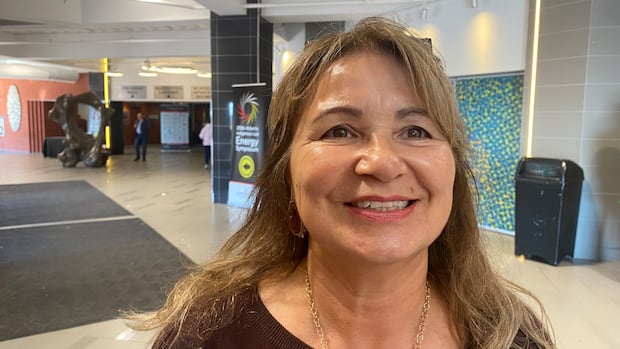
Karen Narvie, a band councillor at Eel River Bar First Nation (Ugpi’ganjig), has seen the relathionship shift from one that has been combative in the past to one that’s more constructive.
She credits two things: meaningful and early conversations on projects, and First Nations ownership stakes in energy-related projects that have been made possible though by federal financing programs introduced in the last decade or so.
“We’re not a tick on the box,” said Narvie, who was a panellist at the symposium organized by the North Shore Mi’kmaq Tribal Council.
“We want to move past basic consultation and the checklist to actively support models that provide Indigenous communities with long-term revenue streams, decision-making power, and equity stakes.”
Eel River Bar and Pabineau First Nation (Oinpegitjoig) are involved with private sector partners and the Port of Belledune on several projects underway or in consideration.
 Michael Flood, the project manager for the Organisation for Economic Co-operation and Development (OECD); Terry Richardson, the chief of Pabineau First Nation; Karen Narvie, a councillor with Eel River Bar First Nation; and Jennifer Cleversey Moffitt, CAO of the Belledune Port Authority, took part in a panel discussion at the Indigenous-led Energy Symposium in Saint John this week. (Mark Leger/CBC)
In connection with that project, there will be a new wood pellet plant, a partnership between Pabineau, Eel River Bar, Arbec Forest Products and Airex Energy from Quebec.
There’s also the potential for a battery plant and a small nuclear reactor that could ultimately lead to a plant that builds and exports SMRs.
Both potential projects involve Eel River, Pabineau and outside companies.
Pabineau Chief Terry Richardson is an enthusiastic proponent of a green energy hub that could create jobs and protect the environment for First Nations communities that focus on projects that support future generations.
WATCH | Green-energy shift aligns with First Nations values, councillor says: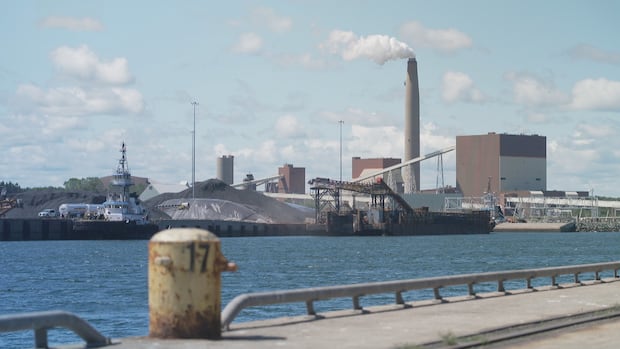
First Nations in New Brunswick want in on clean energy
An Indigenous-led energy conference took place in Saint John this week.
“The key is seeing [which companies] want to come,” Richardson said. “But these [projects] are going to open up some great paying jobs, great opportunities for our youth who want to stay in the region.
“We talk about the next seven generations for the environment, but there’s also the next seven generations for the economic side.”
Narvie said the green energy shift better aligns with First Nations values.
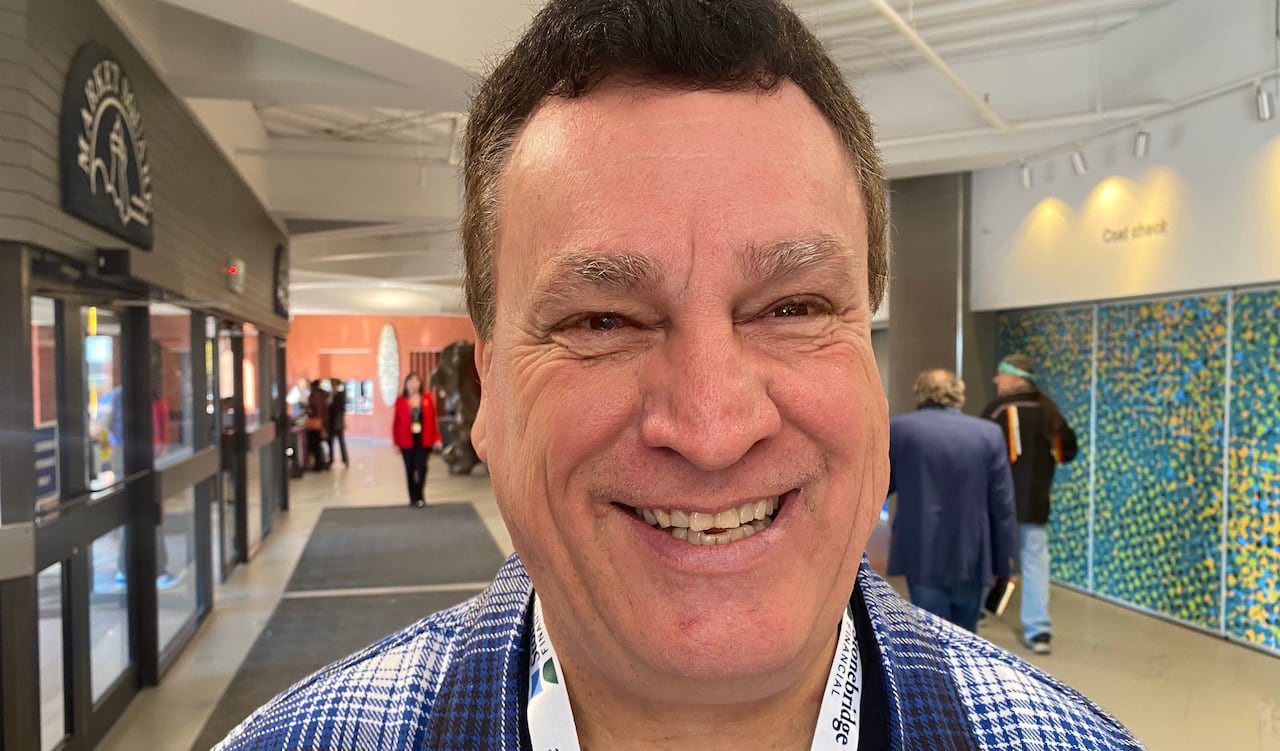 Pabineau First Nation Chief Terry Richardson said the projects would have economic and environmental benefits for future generations in his community. (Mark Leger/CBC)
“With the projects that are coming into the Port of Belledune, there’s a lot of clean energy with the transition from coal to wood pellets and even the [SMR] project that we’re looking at,” Narvie said.
Jennifer Cleversey-Moffitt, the chief administrative officer with the Belledune Port Authority, says the shift toward green energy projects and meaningful engagement and partnerships with the area First Nations communities happened during a period of big local changes.
Cleversey-Moffitt said Belledune went through a court battle 10 years ago with First Nations communities in Quebec over a plan to bring Alberta oil by rail to the port for export.
The project proponents won the court challenge but didn’t proceed with the project.
Cleversey-Moffitt said the end result felt “yucky.”
“We can’t go through litigation every single time a project comes across our desks,” she said.
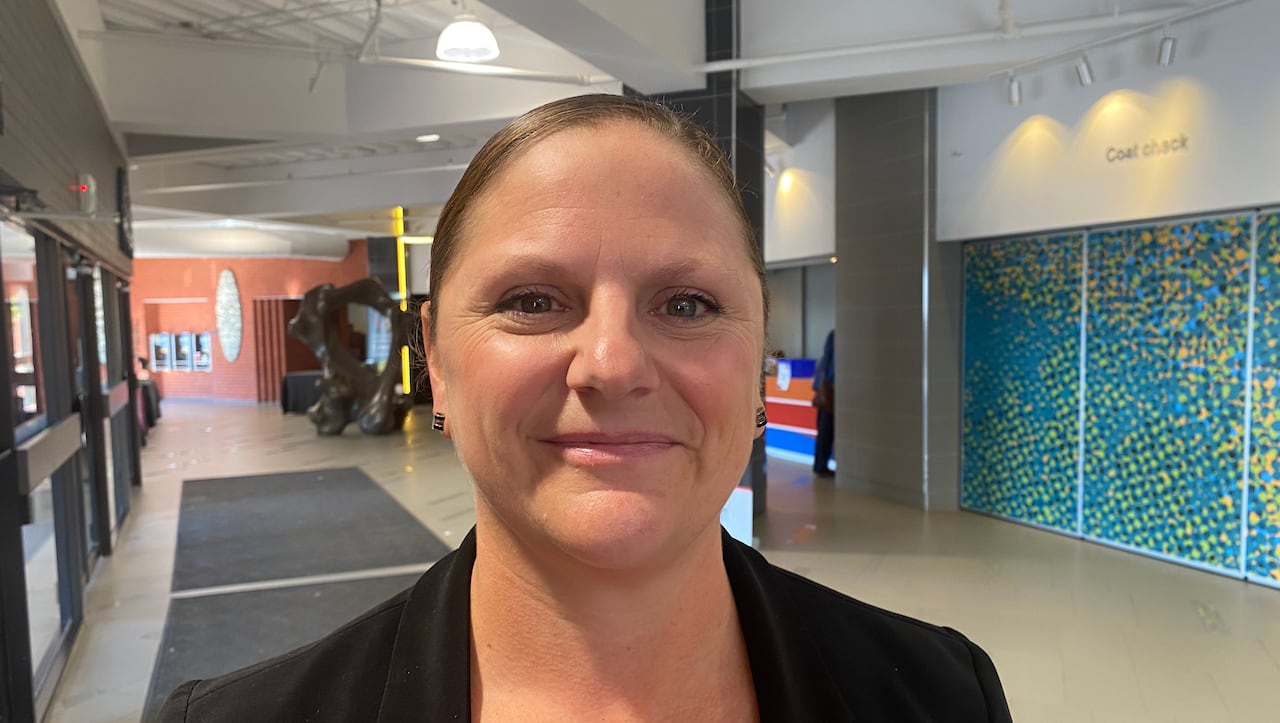 Jennifer Cleversey-Moffitt, CAO of the Belledune Port Authority, said the port began shifting to green energy projects after the local smelter closed and it was decided to phase out coal at the generating station. (Mark Leger/CBC)
“It’s about meaningful relationships [with First Nations]. It’s not transactional. It’s about developing personal bonds and understanding the community and understanding the historical context of where some of the concerns come from.”
The community was also going through an economic transition, she said.
In 2016, the province announced its plan to phase out coal at the Belledune station. In 2019, the local smelter closed.
The Port of Belledune went through a strategy review process and ultimately decided it wanted to remain industrial but with a green focus, which suited Indigenous partners too.
“This was really a bit of a renaissance for the port to understand that we can still be industrial, but we’re going to do it in a much cleaner, greener way,” Cleversey-Moffitt said.
“And we’re going to do it in partnership with those communities in the area, including the rights holders.”
Narvie said the pursuit of green industrial opportunities will ultimately improve social and economic well-being in her community.
“A lot of our own revenue goes to job creation, goes to our elders, goes to our youth, goes to some of our education at universities and colleges or whatnot,” she said. “So we continue to help our community grow and to be better.”