

Listen to this article
Estimated 3 minutes
The audio version of this article is generated by AI-based technology. Mispronunciations can occur. We are working with our partners to continually review and improve the results.
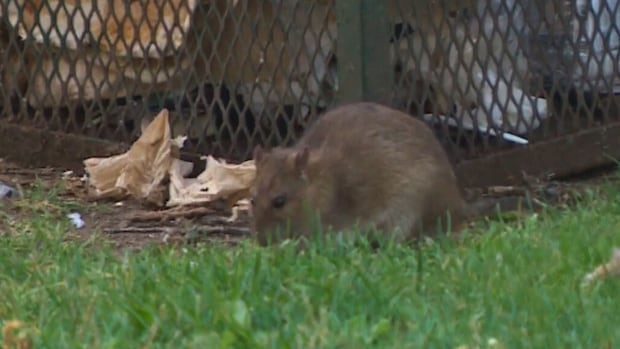
Pest control companies on Prince Edward Island say they’re getting more calls about mice and rats, but there’s plenty you can do to keep them out of your home — and lots of options if they already found a way inside.
Tanner Arsenault of Red Sands Pest Control said it’s not unexpected at this time of year as the temperatures turn cooler and rodents search for ways to escape the cold weather.
Homes have the shelter, food and water that rodents are looking for, he said, while insulation can provide warmth and is “the perfect spot for bedding.”
“As we start to turn our heat on, that’s what they’re looking for, so they’re going to come in and get into your insulation,” Arsenault said.
“When a mouse gets in or a rat gets in, the biggest thing is once they’re in, there’s highways in your walls that you don’t realize.”
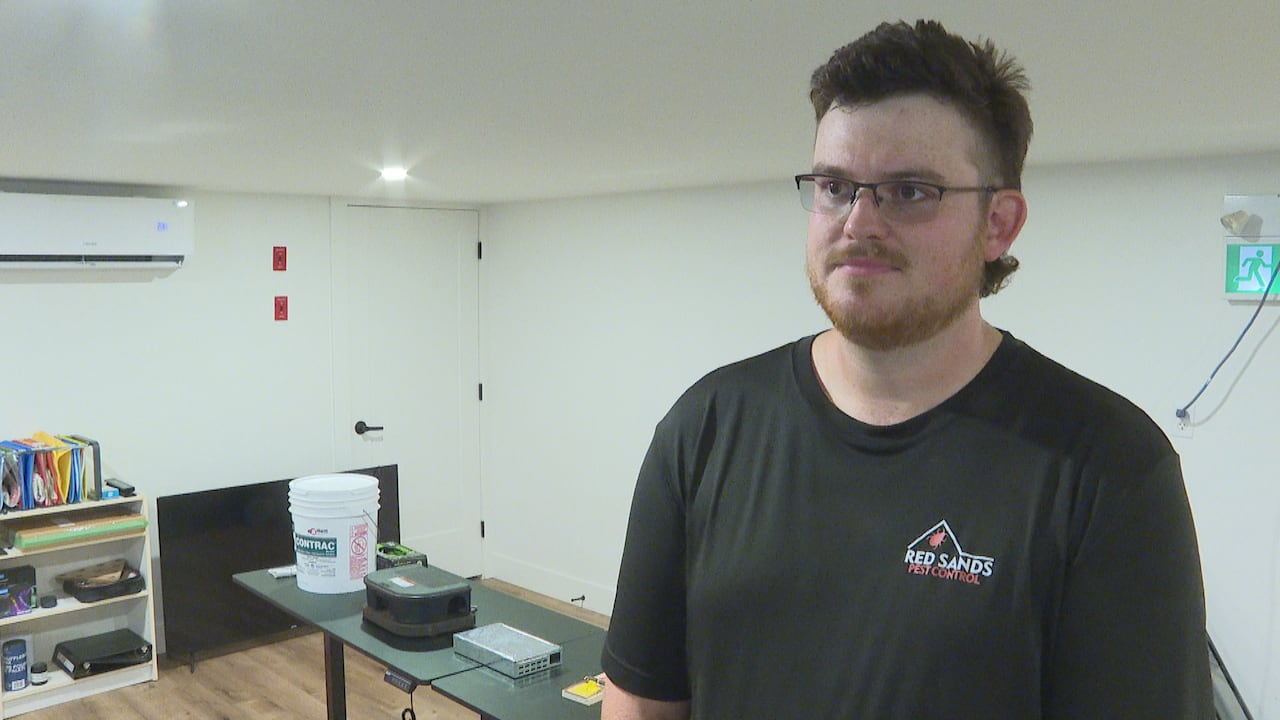 Tanner Arsenault of Red Sands Pest Control says Islanders may see more rodents in their homes this time of year as mice and rats search for ways to escape the cooling weather. (Connor Lamont/CBC)
Rob Gallant with Atlantic Graduate Pest Management said calls related to rats and mice are up nearly 60 per cent compared to last year and about 200 per cent since 2017.
There are a number of factors, he said, including vegetation around building developments as well as more dumpsters and litter that provide rodents with a food source. He also pointed to bird feeders, which also provide food for mice and rats.
“If they can get that snout in, they can get the rest of that body in,” Gallant said.
“One mouse getting adequate food, unfortunately, can drop around 120 droppings per day per mouse, so it’s very obvious where they’re at.”
A mouse’s gestation period is 19 to 21 days, Gallant said, meaning a small infestation can become a large one in a short period of time.
If you do come across droppings, he said, don’t just sweep them up. Gallant recommends using a damp rag or spray with disinfectant to avoid spreading harmful illnesses.
“Once we eliminate it from the inside of the structure, now we’re heavily concentrating on the outside of the structure so that we prevent them from entering again,” he said.
“It’s interesting because there was, back in a time, where most of our calls were in the rural areas. Now, most of our calls are in the city, and so it’s changing. I think rodents are adapting.”
 Rob Gallant with Atlantic Graduate Pest Management said calls related to rats and mice are up nearly 60 per cent compared to last year and about 200 per cent since 2017. (Connor Lamont/CBC)
Attics are often the most common place to find rodents, Arsenault said, because dead bugs that may be found there provide the nutrients mice and rats need.
But anywhere electrical and plumbing goes, rodents can too.
He also recommends keeping grass cut short, decluttering and patching any holes and cracks.
“Anything that basically invites them closer to your house,” Arsenault said.
“Once you get them closer to your house, you’re just asking for them to come inside.”