

Listen to this article
Estimated 4 minutes
The audio version of this article is generated by AI-based technology. Mispronunciations can occur. We are working with our partners to continually review and improve the results.
Quirks and Quarks54:00How feasting black holes time their burps
On this week’s episode of Quirks & Quarks with Bob McDonald:
Astronomers crack a mystery behind black hole burps
Quirks and Quarks8:16Astronomers crack a mystery behind black hole burps
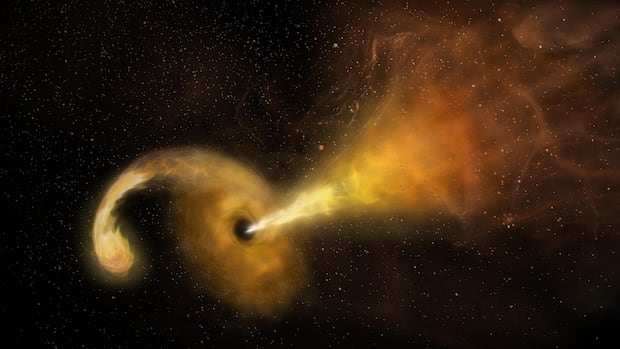
Black holes are voracious eaters, but they’re also quite messy, and often after devouring a star, they’ll let out a big burp, launching jets of high energy particles through space. Astrophysicists wanting to observe these powerful outflows often spend lots of precious telescope time just hoping to get lucky enough to capture one in action. Now, in a recent study, a team of astrophysicists, including Adelle Goodwin, a Forrest Research Foundation Fellow at ICRAR-Curtin University, has figured out the formula behind the timing of these burps. Their research was published in the journal Nature Astronomy.
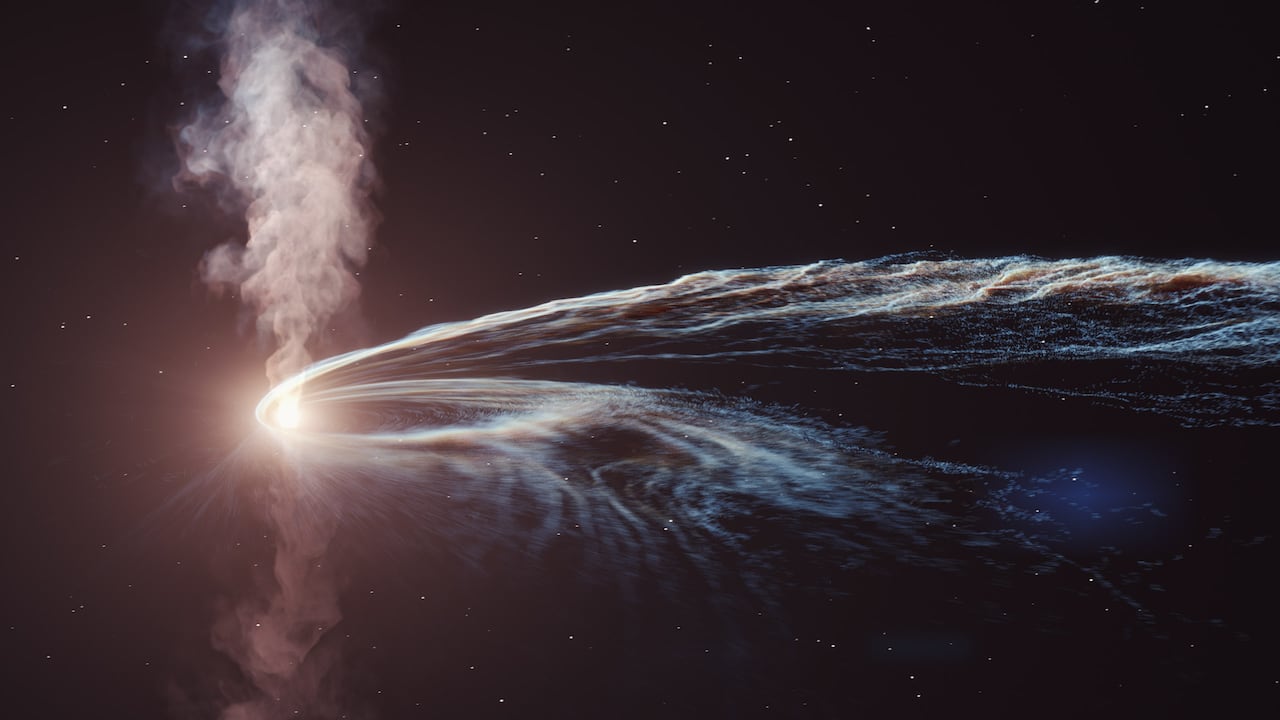 Black holes can shoot jets of high energy particles through space at such speeds that they can change how galaxies evolve. (Curtin University/Science Communication Lab)Skiing, hiking and roads are taking a toll on wolverines
Quirks and Quarks7:32Skiing, hiking and roads are taking a toll on wolverines
Wolverines are small, yet vicious, carnivores with zero qualms about vigorously defending their territory, but their numbers are dwindling in parts of Canada. Mirjam Barreuto and her colleagues embarked on a three-year study to get a sense of how many wolverines are living in the Rocky Mountain and Columbia Mountain ranges, and whether human recreational activities, like backcountry skiing and hiking, are affecting their numbers. Using frozen beaver carcasses as bait, they identified 300 wolverines in an area the size of Austria, and found fewer wolverines in places that overlapped with human activities. The study is published in the journal Biological Conservation.
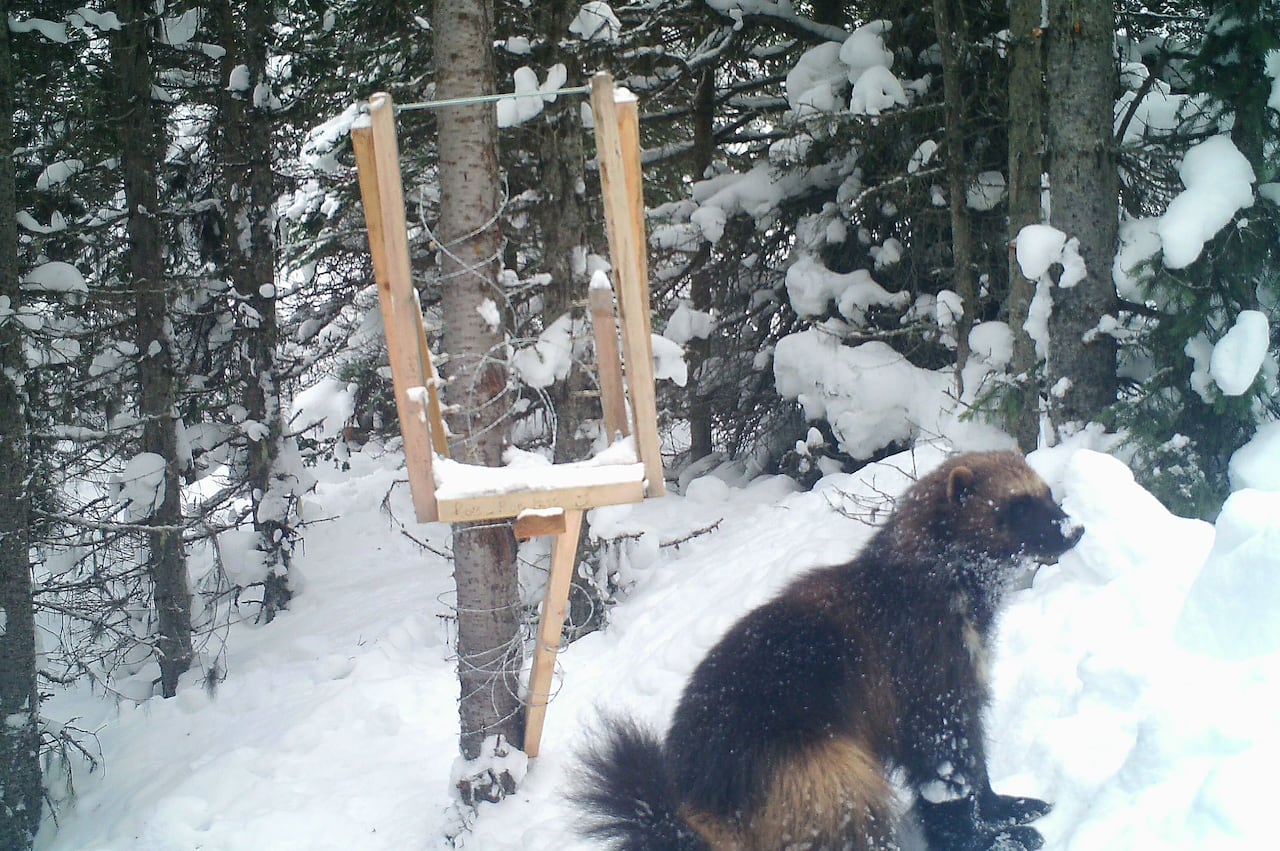 A wolverine visits a sampling station northwest of Jasper National Park in Robson Pass, B.C. (Mirjam Barrueto/Wolverinewatch.org/University of Calgary)The buzzy, chirpy sounds of the Jurassic forest
Quirks and Quarks8:22The buzzy, chirpy sounds of the Jurassic forest
Take an audio tour of a Jurassic insect soundscape reconstructed from the fossilized wings of 165-million-year-old insects found in Inner Mongolia, China. Scientists, including Fernando Montealegre-Zapata, from the University of Lincoln, in the U.K., used 20 fossils from nine ancient katydid and cricket species to recreate the calls they produce by scraping their wings together. The researchers were surprised to discover that one species produced calls in the ultrasonic range, much earlier than they thought possible. Their study is published in the journal PNAS.
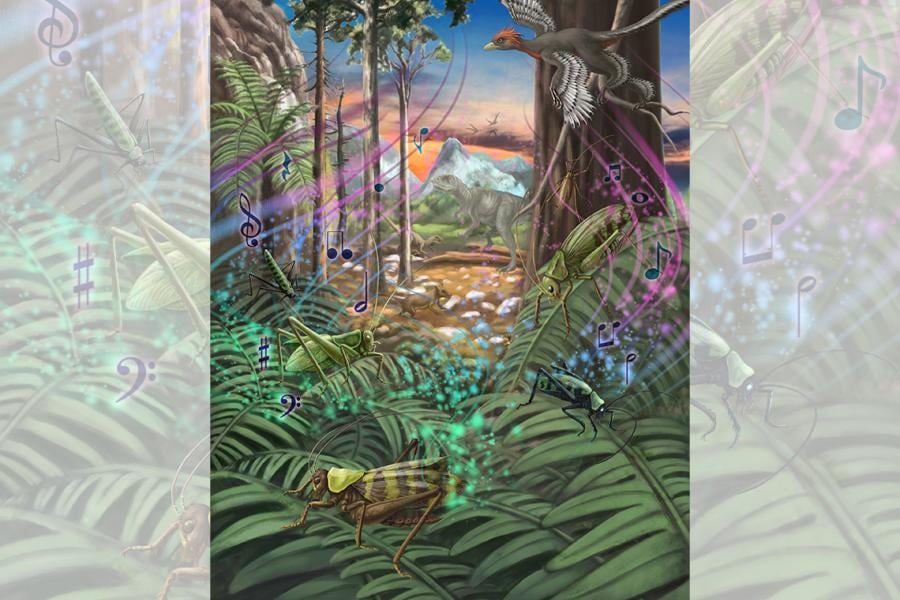 An idealized environment showing the community assemblage of a middle Jurassic forest of China. Researchers, studying bush-cricket fossilized wings from this period, have reconstructed their chirps, allowing the team to replicate a Jurassic forest’s soundscape. (Zuo Xiaoran)A notorious invasive species has been here a lot longer than we thought. Does that matter?
Quirks and Quarks18:27A notorious invasive species has been here a lot longer than we thought. Does that matter?
The spiny water flea is considered one of the most damaging aquatic invasive species in North America. Researchers initially believed the tiny creature was introduced to Canadian waters from European ships in the 1980s, but a new study is turning that idea on its head. Andrew Tanentzap, a professor and Canada Research Chair in Climate Change and Northern Ecosystems at Trent University, used environmental DNA and radio carbon dating to precisely date hundreds of spiny water flea fossils found deep in the mud in inland lakes. The team found that these tiny creatures have been here for decades — if not centuries — longer than previously thought. This work was published in the journal PNAS.
The case of the spiny water flea brings up an interesting question: how much does nativeness actually matter in an ecosystem? When it comes to our ecosystems, the prevailing idea is that native species are good, and anything introduced is probably bad. But some scientists, like Erick Lundgren, a postdoctoral researcher at the Centre for Open Science and Research Synthesis at the University of Alberta, are calling for a rethink on this idea. His recent work includes a meta-analysis comparing hundreds of studies on the effects of native African megafauna and introduced megafauna, and found that ecosystem health didn’t seem to be affected by an animal’s nativeness. His study was published in the journal Nature Communications.
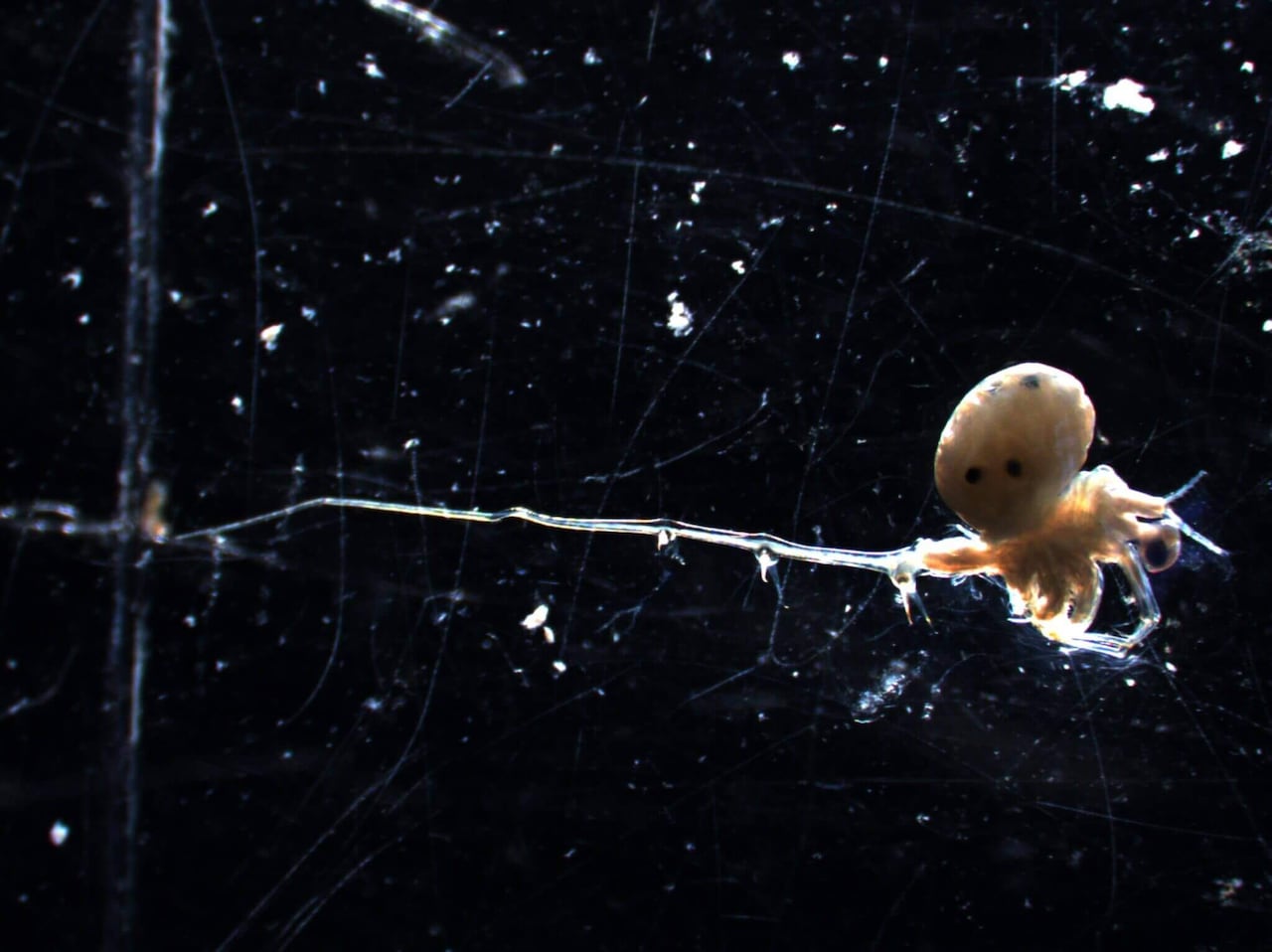 The spiny water flea is known for its long spiny tail, which stops fish from being able to easily eat them. (Jake Walsh)Anomalies suggest King Tut’s tomb may conceal hidden chambers
Quirks and Quarks8:53Anomalies suggest King Tut’s tomb may conceal hidden chambers
More than 100 years after British archaeologist Howard Carter uncovered King Tutankhamen’s gold and artifact-filled tomb, scientists now think an even greater royal tomb may lay beyond its painted walls. New geophysical data suggests a sealed corridor and five or six rooms may lie behind the north wall of King Tut’s burial chamber, which archaeologists suspect may be the final resting place of Queen Nefertiti. George Ballard, a structural engineer specializing in investigating historical constructions and chairperson of GBG Group based out of the U.K., says the team he was with are hoping to get permission to investigate these anomalies that he discovered. The study is published in the journal Occasional Papers of the Amarna Royal Tombs Project.
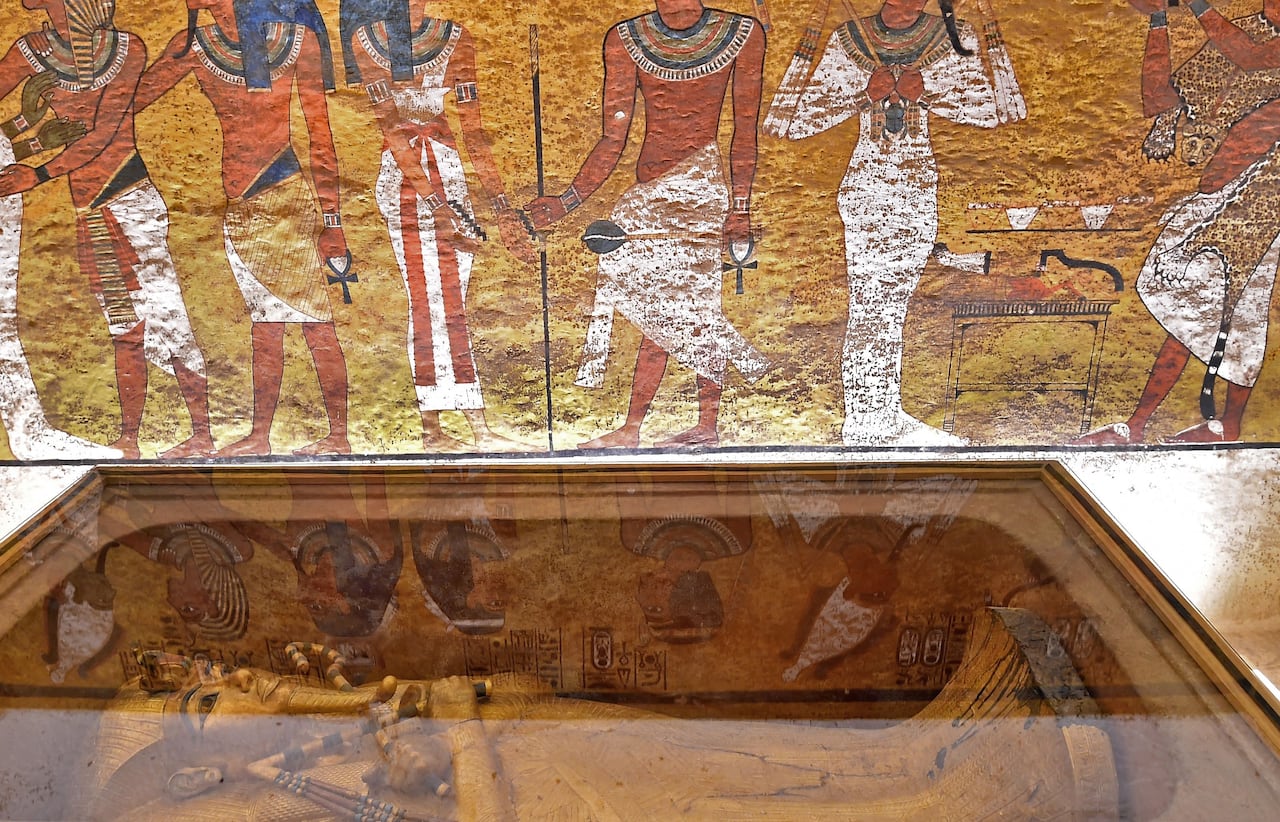 A new investigation of the anomalies along the north wall of King Tutankhamen’s burial chamber suggests a sealed corridor with at least five hidden chambers may lay behind it. (Mohamed El-Shahedafp/AFP/Getty Images)