
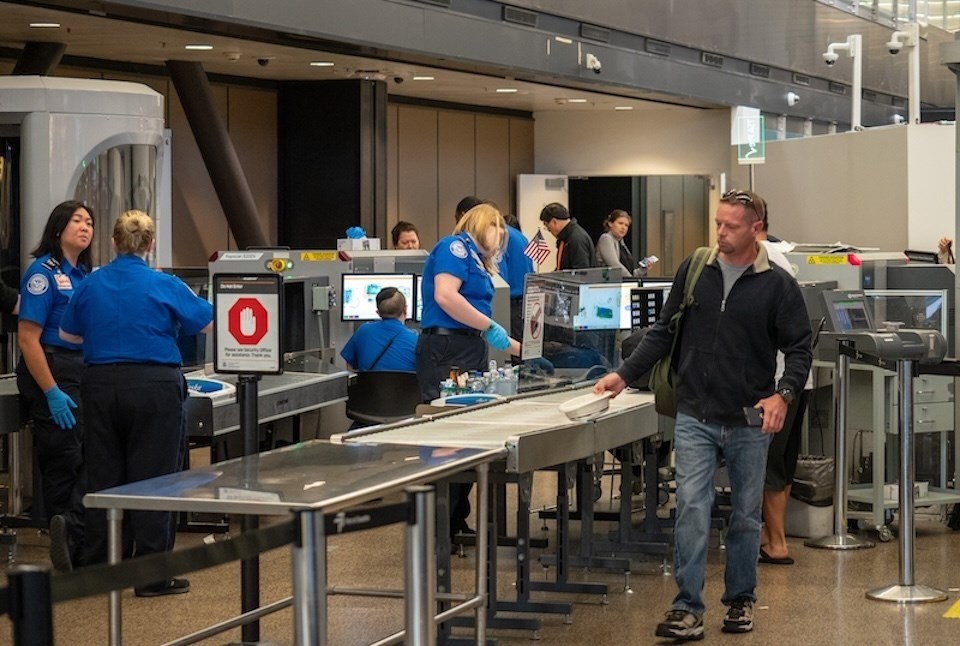
A legal expert explains how to prepare yourself for any travel to America.
If you worry about crossing the Canada-U.S. border, you’re not alone.
Security has continued to tighten over the past year, with additional guidance that U.S. border agents don’t need a warrant to search electronic devices, and that misrepresenting information could land travellers in trouble.
A Nigerian man was recently found guilty in a U.S. court with evidence gathered from a “warrantless” border search, setting a potential precedent for inbound travellers.
But do Canadians really need to worry about border checks if they aren’t doing anything illegal?
The answer is complex, but you shouldn’t expect privacy with searches conducted by the United States Customs and Border Protection (CBP), according to U.S. immigration lawyer Scott Railton.
U.S. travel advisory: What Canadians should expect
Travellers can expect scrutiny at ports of entry, including of their electronic devices. U.S. border agents can search them and don’t need a reason to request a password to open your device (laptop, cellphone, tablet etc.).
“The CBP’s ability to lawfully inspect electronic devices crossing the border is integral to keeping America safe in an increasingly digital world,” the federal agency notes on its website.
This means they can search any electronic device you bring with you, including but not limited to a mobile phone, computer or digital camera.
CBP officials searched less than 0.01 percent of arriving international travelers’ electronic devices in 2025, according to the agency’s statistics.
But that figure could increase as artificial intelligence speeds up processing times that involve tech deep dives, says Railton, who’s a legal expert on travel to the U.S.
The immigration lawyer doesn’t foresee a surge in smartphone searches, but speculates that border security guards may use systems to target some individuals.
“In general, I think CBP wants to move people through as quickly as possible,” he says. “In the last few years, they’re using facial recognition technologies for people coming through different ports of entry.
“And then, of course, we’ve got AI searches that are just running information quicker. And so that may lead to a little bit more targeting on people,” Railton adds.
Who could be targeted?
The CBP is responsible for protecting the U.S. borders and enforcing various laws. But that doesn’t mean some innocent individuals aren’t targeted.
For instance, Railton says he and his peers — other law professionals — may face enhanced scrutiny at borders, and they have a duty to uphold their client’s privacy. In Canada, we call this the solicitor-client privilege.
U.S. border guards have also targeted journalists, particularly those covering immigration amid a wave of detentions by ICE.
The agency prohibits the consideration of “race or ethnicity in law enforcement, investigation and screening activities, in all but the most exceptional circumstances. But advocates say minorities are still racially profiled.
What about social media searches?
The CBP may also ask for logins to your various social media accounts.
“If anybody on their social media has anti-Trump sentiment or something like that, people are worried that that’s going to have implications for them. I wouldn’t say it’s impossible. It depends on what they’re saying. But the U.S. government has [issued] memos about not approving applications for persons who do express anti-American sentiment,” Railton explains.
A 2025 memorandum from President Donald Trump highlights “common threads animating this violent conduct include anti-Americanism, anti-capitalism, and anti-Christianity.”
Railton says: “So certainly conceivable somebody could have something on their social media that, particularly with how tense the trade situation is lately — it’s definitely conceivable that could trickle down to the immigration process.”
Tips for a safer U.S. visit
If you’re worried about what’s on your phone before you cross the border, including what you have on your social media, you may want to leave your device at home, rethink your travel plans or reconsider how you store data, Railton adds.
Before crossing the border, put your device in airplane mode so remote files aren’t downloaded, according to advice from the Canadian government.
Always hand over your device — don’t resist. If you resist, you may be detained at the border before being deported.
Find more information about exciting destinations in B.C. and across the globe, as well as travel deals and tips, by signing up for V.I.A.’s weekly travel newsletter The Wanderer. Since travel deals can sell out, find out the day they are posted by signing up for our daily Travel Deals newsletter.
Want to learn more about a specific destination or have a travel concern or idea you would like V.I.A. to write about? Email us at [email protected]. Send us stories about recent holidays that you’ve been on, or if you have any tips you think our readers should know about.