
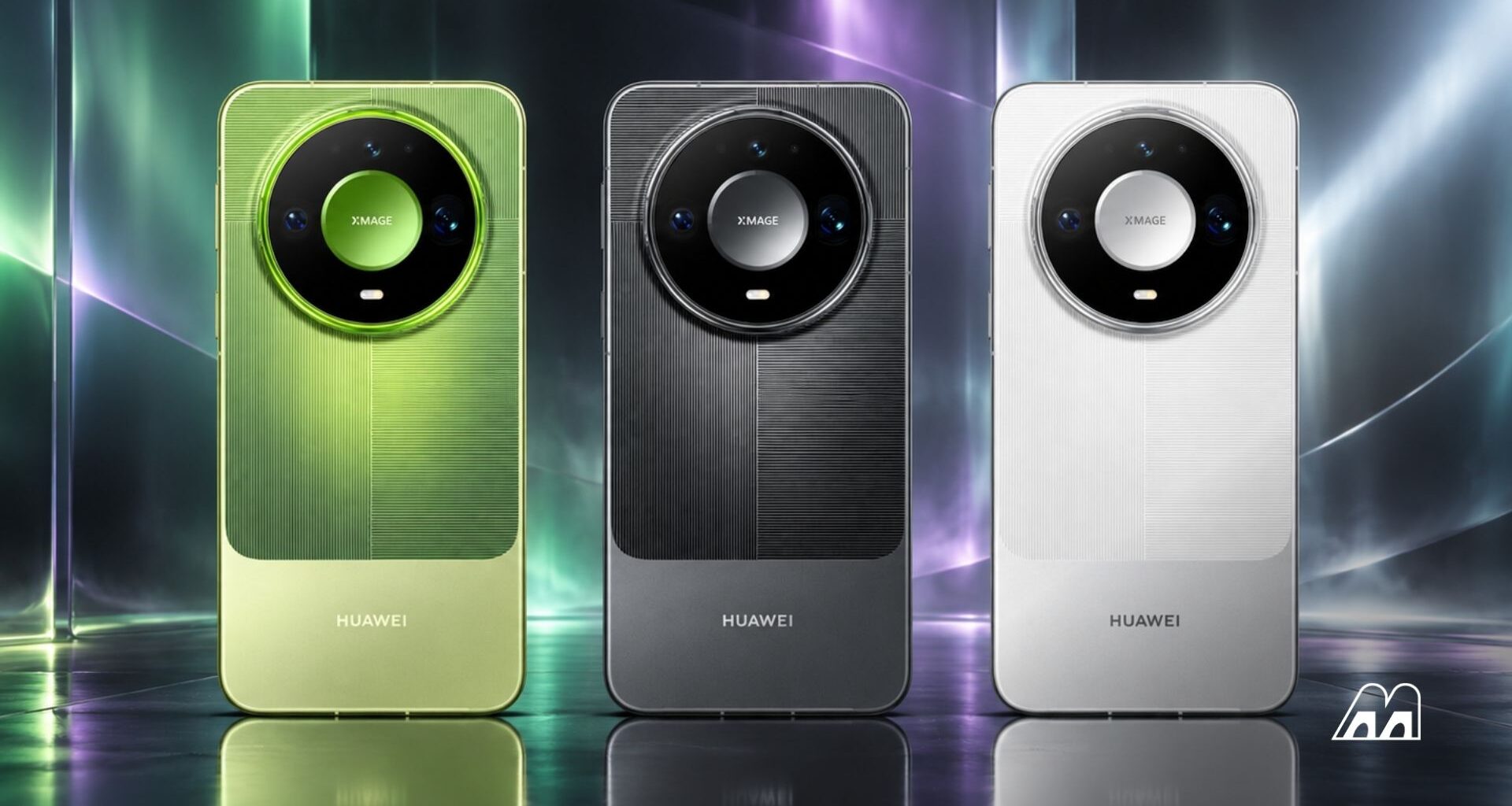
Huawei’s new Mate 90 Pro Max ships with three spec-sheet headlines that sound almost unreal: a 12,000-nit display, a 200MP periscope zoom, and a 1-inch camera that literally screws onto the back. The phone launched in China on October 1 at Huawei’s Mate 90 series event, and it’s Huawei’s answer to the iPhone 18 Pro Max and a wave of camera-first Android flagships. Here’s what each of those three numbers really means, what they cost, and which version is worth your money.
Dimensity 8500-Ultra power, a 6.59-inch display, and a 50MP camera built for smooth gaming and everyday performance.
Dimensity 8500-Ultra chipset delivers flagship-class performance at 3.4GHz.6.59-inch 1.5K AMOLED display with 120Hz refresh rate and 3,500-nit peak brightness.6,500mAh battery pairs with blazing-fast 100W HyperCharge.Huawei Mate 90 Pro Max Specs and Prices
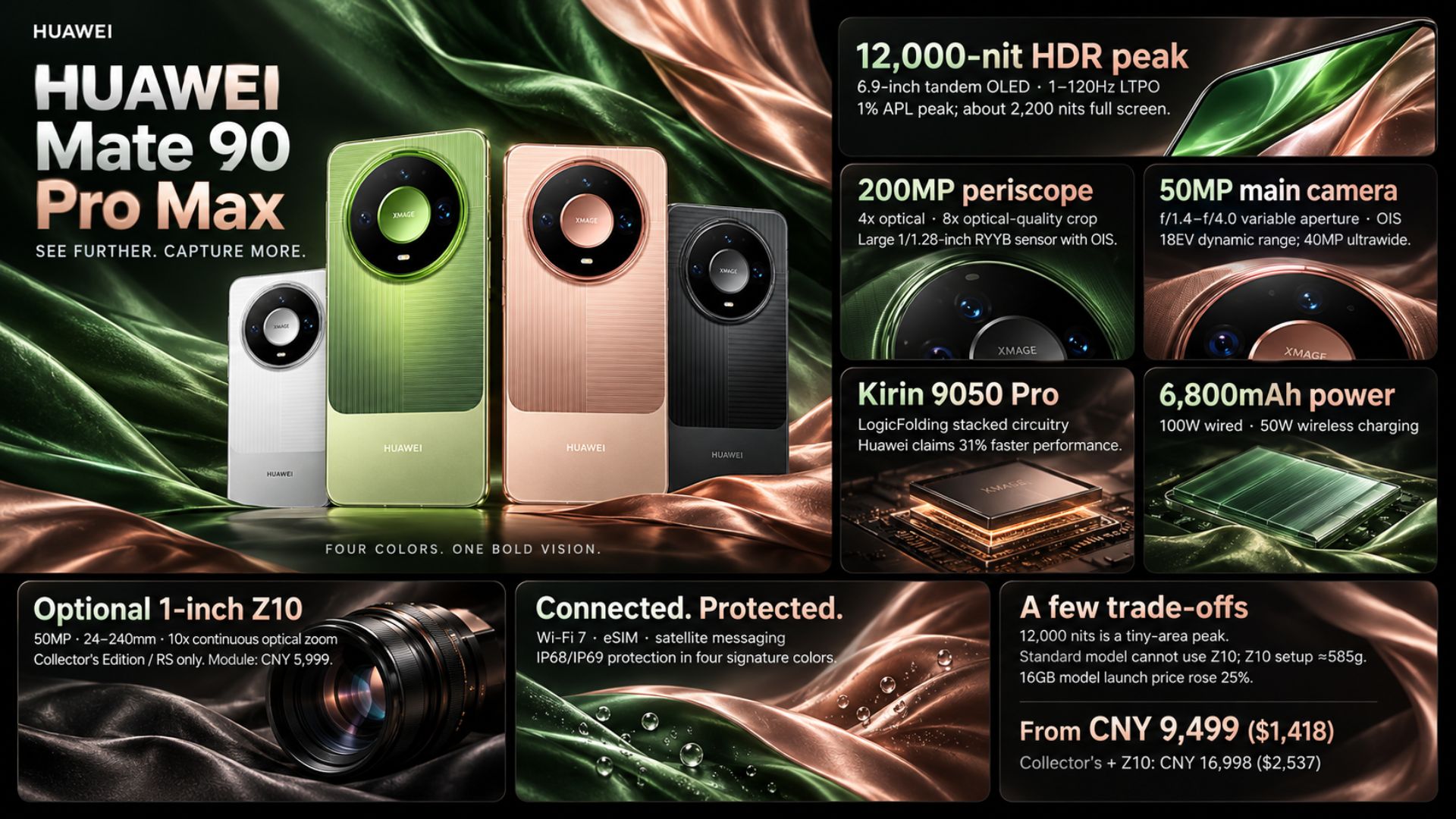
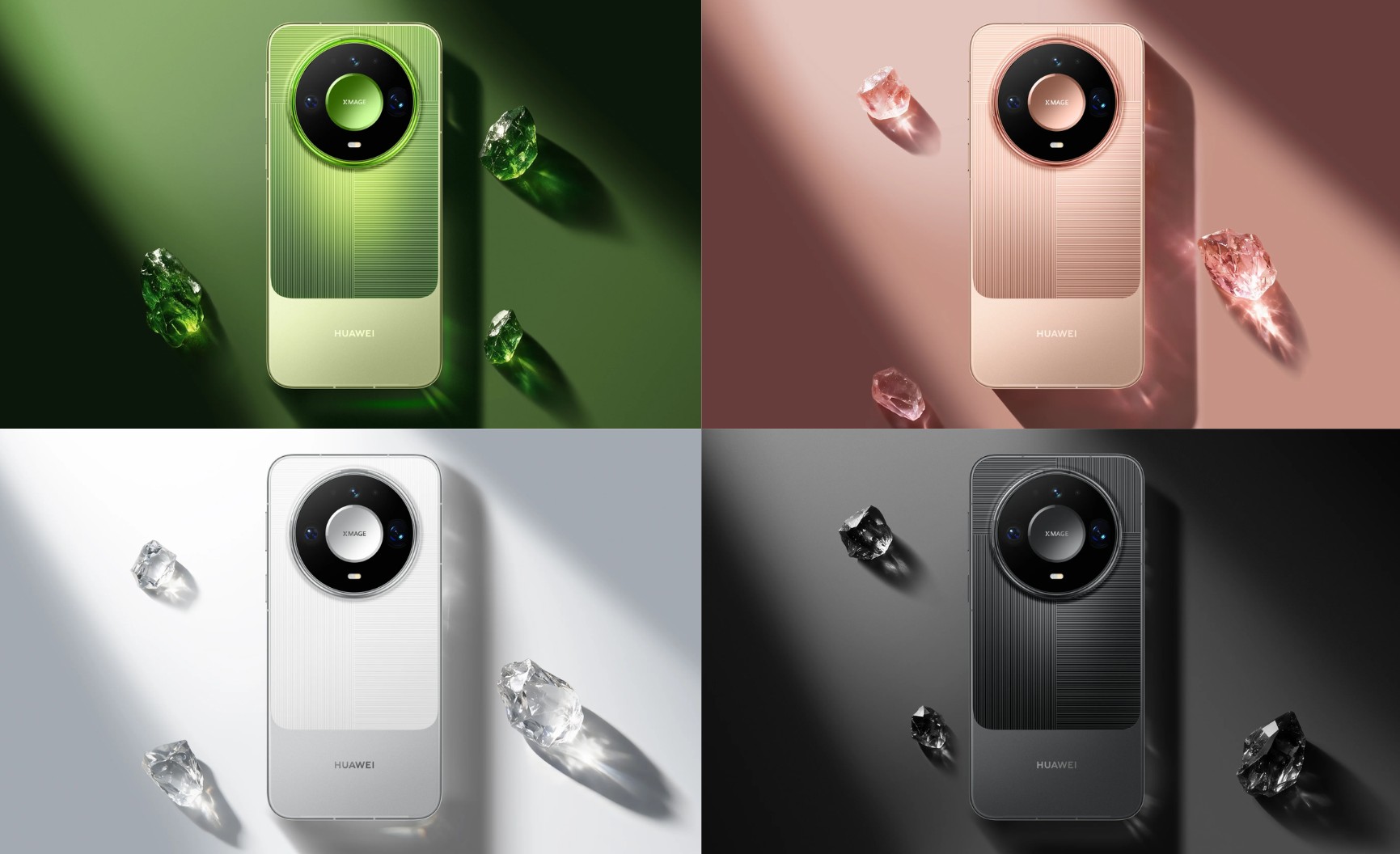
SpecHuawei Mate 90 Pro MaxChipKirin 9050 ProDisplay6.9-inch dual-layer OLED, 2848 x 1320, 1–120Hz LTPO, 1440Hz PWM dimming, BT.2020 colorPeak brightnessUp to 12,000 nits (local peak)Main camera50MP RYYB, 1/1.28-inch, f/1.4–f/4.0, OIS, 18EV dynamic rangeTelephoto200MP periscope, 1/1.28-inch, RYYB, OIS, 4x optical, 8x optical-quality, 100x digitalUltrawide40MPSelfie13MP ultrawide with autofocus plus 3D depth cameraBattery/charging6,800mAh · 100W wired · 50W wirelessConnectivityWi-Fi 7, Bluetooth 6.0, NearLink, NFC, eSIM, satellite messagingDurabilityIP68/IP69ColorsRose Gold, Jade Green, Crystal White, Obsidian Black
A few terms worth unpacking: LTPO lets the screen drop its refresh rate as low as 1Hz to save battery, PWM dimming at 1440Hz reduces the flicker some people find tiring on OLED screens, and 18EV means the main camera can capture a very wide range from dark shadows to bright highlights in one shot.
The 12,000-Nit Screen, Decoded
Nits measure brightness. For context, most flagship phones peak somewhere between 2,000 and 3,000 nits across the full screen. So 12,000 sounds like a typo.
It isn’t, but there’s an asterisk. Huawei’s 12,000-nit figure is measured at 1% APL (average picture level), which means only about 1% of the screen is lit; think the glint of sun on water in an HDR video. The same 6.9-inch panel used on the Collector’s Edition and RS is rated at about 2,200 nits full screen and 6,000 nits at 20% of the screen.
2,200 nits across the whole display is the number that matters, and it’s genuinely excellent. That’s what keeps maps and messages readable in harsh midday sun. The 12,000-nit peak makes HDR highlights pop, which is real, but it’s a marketing number first.
The dual-layer (tandem) OLED design deserves credit too. Stacking two light-emitting layers lets each one work less hard, which usually means better efficiency and a longer-lasting screen. Last year’s Mate 80 Pro Max topped out at 8,000 nits, so this is a meaningful step.
One 200MP Zoom Replaces Two Cameras
Last year’s Mate 80 Pro Max carried two telephoto cameras: a 50MP macro telephoto and a 50MP super telephoto at 6.2x. The Mate 90 Pro Max swaps both for a single 200MP periscope at 4x.
At first glance, that looks like a downgrade in reach. The math says otherwise. Because 200MP is so many pixels, the phone can crop into the middle of the image to zoom further. At 8x, a 2x crop still leaves about 50MP of detail. At 12x, you’d still have roughly 22MP. That’s why Huawei calls 8x “optical-quality.”
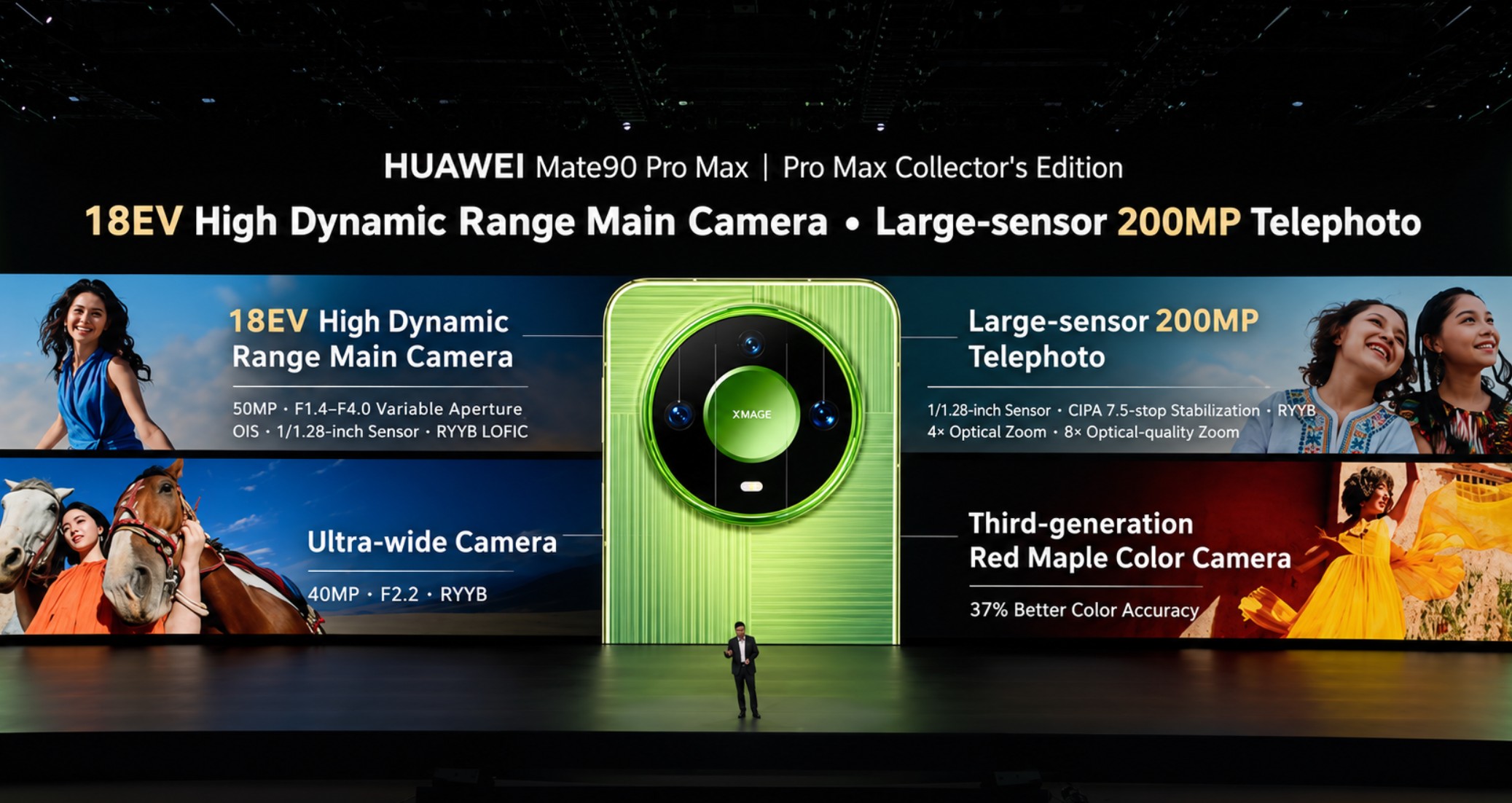
The sensor is also large for a telephoto at 1/1.28 inch, the same size as the main camera. Huawei’s RYYB filter, which swaps green pixels for yellow ones to catch more light, should help in dim conditions. The catch is that cropping can’t beat a longer native lens in low light, because you’re using a smaller slice of the sensor.
This one-big-sensor approach is becoming the industry’s default. Oppo went even further with three 200MP cameras on the Find X10 Pro Max, and vivo is experimenting with entirely new telephoto pixel structures on the X500 Pro.
The 1-Inch Camera You Screw On
The Ruiying Z10 is the wildest part of this launch. It’s not a lens clip. It’s an entire camera with a 1-inch, 50MP RYYB sensor and a 24–240mm zoom lens (10x continuous optical zoom, f/2.0 to f/4.5) built from 19 glass elements. It screws onto the phone with a mount similar to an interchangeable camera lens and borrows the phone’s power, screen, and processing. It also records 4K video.
Early details on the Z10’s build put its weight at nearly 350 grams. Add the 235-gram Collector’s Edition and you’re holding about 585 grams. For comparison, Sony’s RX100 VII, a pocket camera with a 1-inch sensor and a 24–200mm lens, weighs about 302 grams.
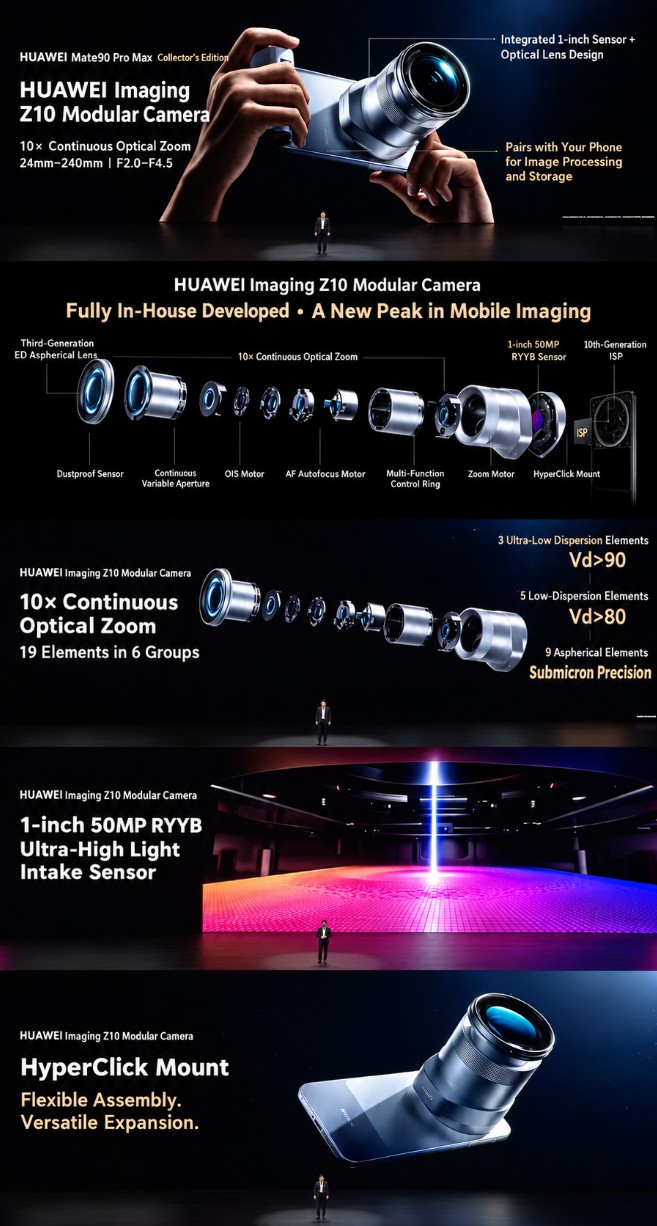
Huawei built the guts of a premium compact camera and let the phone supply everything else. That’s clever. Sony tried a similar idea in 2013 with its lens-style QX cameras that paired with phones over Wi-Fi, and they fizzled. A physical mount and direct power are a smarter design, but the weight problem hasn’t gone away.
Now the catch most people will miss: the Z10 only works with the Pro Max Collector’s Edition and the Mate 90 RS. The standard Mate 90 Pro Max can’t use it. That means the cheapest way into Huawei’s 1-inch system looks like this:
SetupPriceCollector’s Edition 16GB + 512GBCNY 10,999 ($1,642)Ruiying Z10 moduleCNY 5,999 ($895)TotalCNY 16,998 ($2,537)
Huawei also sells a CNY 19,499 ($2,910) Pro Max camera kit bundle and a cheaper CNY 1,799 ($269) SmallRig teleconverter kit. Honor is chasing the same crowd with a shotgun mic and 500mm lens mount on the Magic 9 Pro Max, so phones turning into camera rigs is clearly the 2026 trend.
The Kirin 9050 Pro and That Price Hike
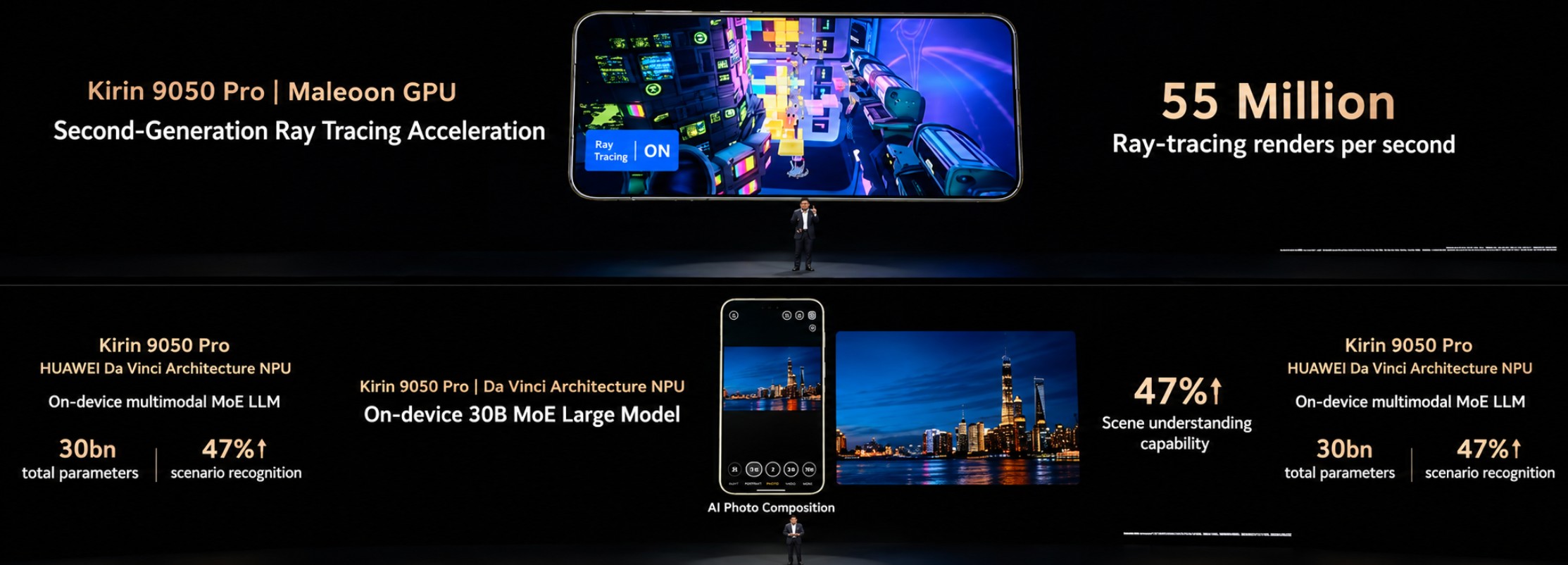
Every Pro Max variant runs the Kirin 9050 Pro, Huawei’s first “LogicFolding” chip, which stacks two layers of circuitry face to face to fit more transistors in the same space. Huawei’s workaround matters because U.S. export limits block China’s chipmakers from the most advanced manufacturing tools. Huawei claims a 31% overall performance gain over the previous flagship generation, plus enough AI muscle to run a 30-billion-parameter model on the phone itself.
The price moved too. The 16GB + 512GB Pro Max costs CNY 9,999, up CNY 2,000 ($299) from the Mate 80 Pro Max’s launch price, a 25% jump that tracks rising memory costs. The iPhone18 Pro Max starts at CNY 10,999 ($1,642) in China, so Huawei still undercuts Apple, but the gap is much narrower than it was.
Which Mate 90 Pro Max Should You Buy?ModelPricePro Max 12GB + 512GBCNY 9,499 ($1,418)Pro Max 16GB + 512GBCNY 9,999 ($1,492)Collector’s Edition 16GB + 512GBCNY 10,999 ($1,642)Collector’s Edition 16GB + 1TBCNY 12,999 ($1,940)Ruiying Z10 camera moduleCNY 5,999 ($895)
The standard 12GB Pro Max (CNY 9,499) is the value pick. You get the same screen, chip, 200MP zoom, and battery. For most people, this is the one.The Collector’s Edition (CNY 10,999) only makes sense if you’re serious about the Z10 module. It also adds a multispectral color sensor that Huawei says improves color accuracy by 37%.Skip the Z10 if you travel light. At 585 grams combined, a dedicated compact camera might be easier to carry and no less capable.
The Huawei Mate 90 Pro Max is one of the most technically ambitious phones of 2026, and all three headline specs hold up better than we expected, once you read the fine print. The screen is brilliant even without the 12,000-nit marketing, and the single 200MP zoom is a smart consolidation rather than a cut.
The Z10 is a fascinating experiment, but locking it to pricier editions makes the “1-inch camera phone” a $2,537 proposition. For most buyers, the plain Pro Max is the sweet spot.
FAQsHow does Huawei’s camera approach compare with vivo’s?
Vivo prefers clip-on teleconverters and long native telephoto lenses rather than a full detachable camera.
Is Honor’s top phone a better deal than the Mate 90 Pro Max?
Honor tends to undercut Huawei on price while matching big specs. The Honor Magic 9 Pro Max vs iPhone 18 Pro Max breakdown is a good reference point for how Honor stacks up against Apple, the same rival Huawei is chasing.
Did the Mate 90 Pro Max design leak before launch?
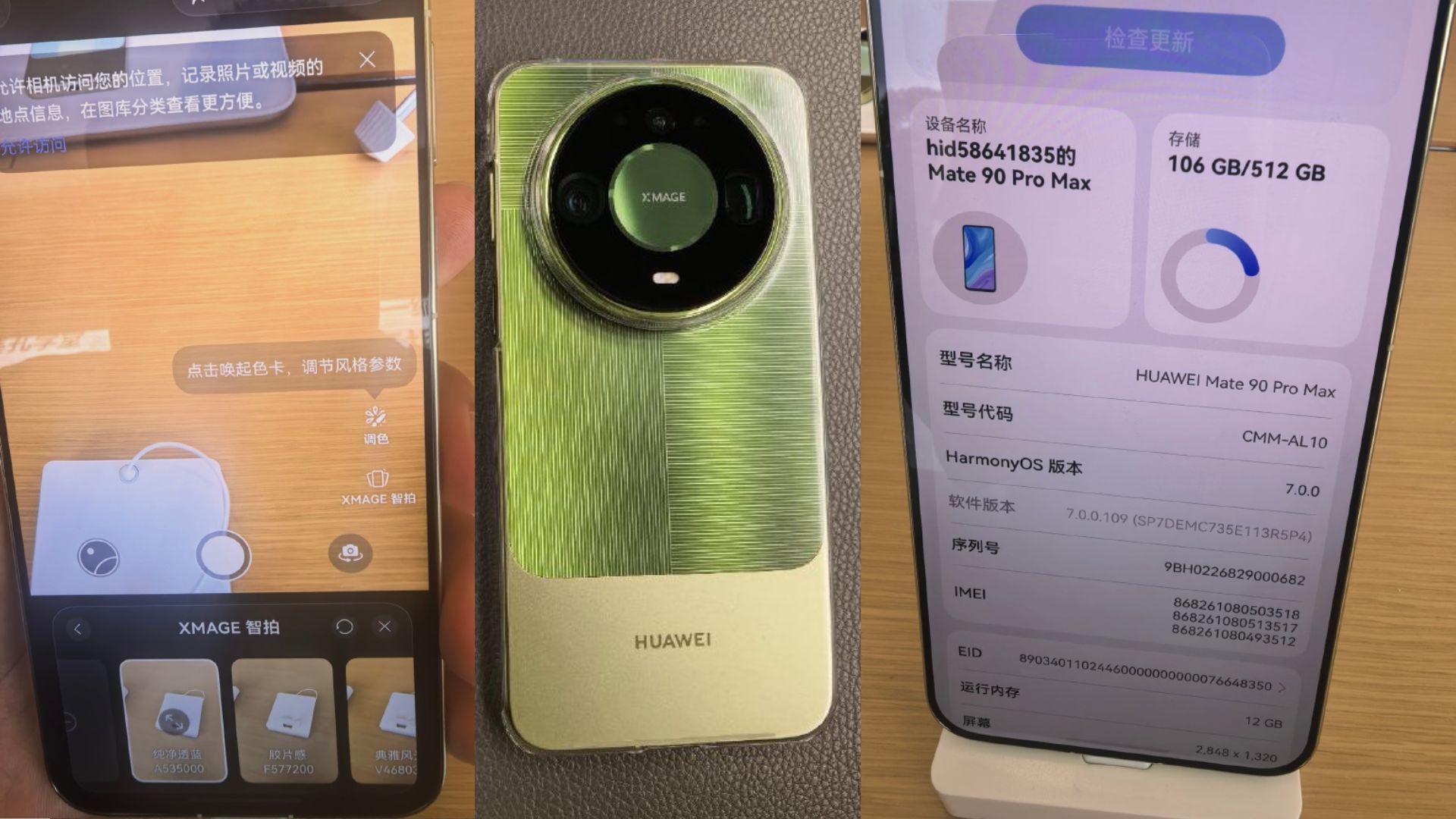
Yes. Early images showed a bold green finish and a ring-style camera module. The Mate 90 green design leak matched closely, and Jade Green is one of four launch colors.
Does the Mate 90 Pro Max run Google apps?
No. It runs HarmonyOS 7, Huawei’s own system, which doesn’t include the Google Play Store. Huawei says its app store now covers more than 450,000 apps and services, mostly aimed at Chinese users.
Which other phones use the Kirin 9050 Pro?
It debuted in the Huawei Mate XT 2 tri-fold in September and now powers the Mate 90 Pro Max, Collector’s Edition, and RS. The cheaper Mate 90 and Mate 90 Pro use the Kirin 9030 and 9035.