

Listen to this article
Estimated 3 minutes
The audio version of this article is generated by AI-based technology. Mispronunciations can occur. We are working with our partners to continually review and improve the results.
Justin Ducharme was a young Métis film student in Vancouver, broke and living far from his home community in Manitoba, when he turned to sex work so that he could afford to pay his bills and continue his education.
“I needed to survive,” he told CBC’s The Early Edition. “It was truly a matter of make money or go back home, and I’ve always been really, really committed to relentlessly chasing my dreams, so I didn’t see moving back to Manitoba as an option.”
Chasing his dreams worked out; Ducharme’s first feature film screened at the Toronto International Film Festival in September, and will play at Vancouver’s film festival this month.
Seventeen follows three queer, young Indigenous sex workers in Vancouver, each experiencing a loss of some kind.
“They’re all sort of going through the stages of that and trying to get that back or handle those things,” Ducharme said.
WATCH | Clip from Seventeen:
It’s not his first time Ducharme’s experience with sex work has influenced his creative projects; his 2018 short film Positions is loosely based on Ducharme, and he co-edited Hustling Verse: An Anthology of Sex Workers’ Poetry, published by Arsenal Pulp Press in 2019.
“Both of these projects mean a great deal to me and also hold a lot of complex feelings that are entangled with coming out, and it was a couple years after these two projects made their way out into the world when I began working on what would eventually become Seventeen,” he wrote in an essay for CBC Arts.
This latest film is not autobiographical, per se, Ducharme said, but some of his own lived experiences are peppered throughout the plot.
The story, which takes place over just 17 hours, is all about the importance of chosen family, Ducharme said.
“I have so much to credit to the people in my life, the other sex workers in my life who mentored me at a young age,” he said. “I am here able to talk about filmmaking and make films and be creative because of my community and the people who support me.”
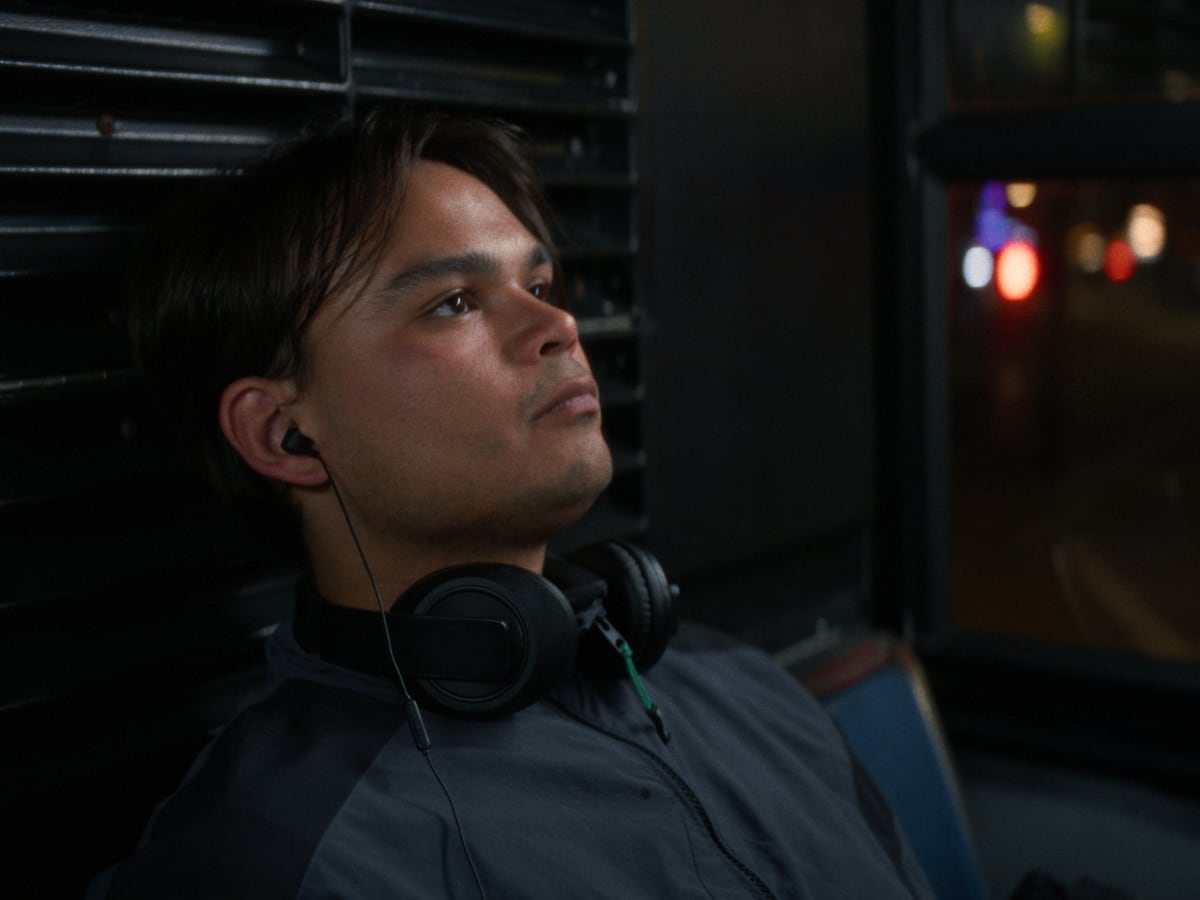 Taio Gélinas is pictured in the 2026 film Seventeen. (Route 504 PR)
And though stories about sex workers tend to be gritty, Ducharme’s writing and direction aims to give Seventeen a tenderness and intimacy not often offered to these types of characters.
“That was always a drive for me wanting to tell this story,” Ducharme said. “It was wanting to give this community a different kind of narrative that felt more reflective of how we actually relate to one another.”
Ducharme hopes Seventeen helps to humanize sex workers, telling the stories of the people themselves rather than the work they do.
“I think the subject matter is obviously quite taboo in our communities, for very good reason,” he said. “But I don’t think that that necessarily means that these people don’t have the right to have their stories told.”
LISTEN | Justin Ducharme’s full interview on The Early Edition:
The Early Edition10:41’Seventeen’ screens at VIFF