
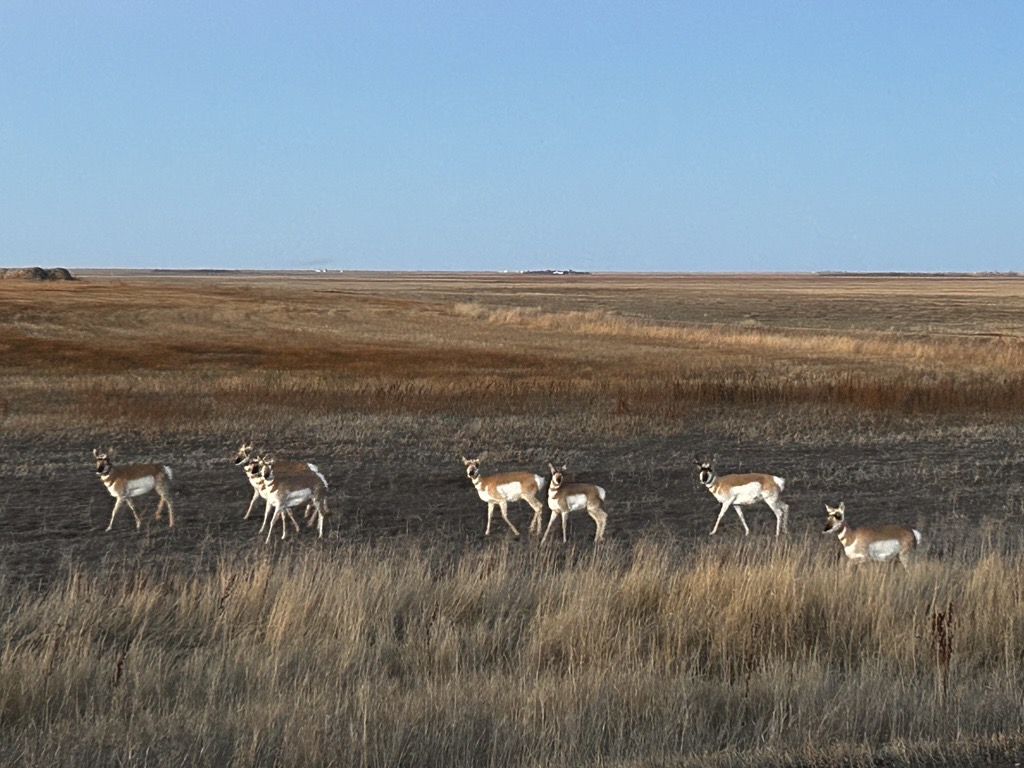
October is a peak month for wildlife activity on Saskatchewan roads, and SGI is reminding drivers to stay alert and watch for animals crossing highways and rural roads.
Moose, deer and other wildlife are more active this time of year, increasing the chance of collisions as mating season gets underway.
“It’s peak season for wildlife activity in October and that’s because it’s mating season,” said Regan Tate, SGI’s manager of media relations. “We really want drivers to be aware that they’re more likely to encounter wildlife on highways and rural roads around this time.”
Dawn and dusk pose added risks
Dawn and dusk are particularly important times for drivers to remain alert.
“At dawn, we often get the glare from the sun, our visibility is reduced, so it really makes it difficult to see wildlife approaching the road,” Tate said.
As daylight fades, visibility becomes another concern.
“It gets darker earlier, it’s so much harder to see any animals that may be about to cross in front of you,” Tate said. “We advise drivers, it’s always a good idea to keep your eyes on the road for glowing eyes in the distance at night.”
Related Stories:
Staying alert can help prevent collisions
SGI encourages drivers to slow down, stay alert and scan the road ahead from shoulder to shoulder.
Drivers should also watch for wildlife warning signs, adjust their speed to road conditions and visibility, and remain aware of areas where wildlife may be present.
“Wildlife are on the move, so be alert, slow down, always scan the road ahead of you from shoulder to shoulder and just be aware that this is a prime time for wildlife activity on our highways,” Tate said.
Thousands of wildlife collisions each year
More than 8,800 wildlife-related collisions occur on Saskatchewan roads each year, based on a five-year average from 2021 to 2025.
Those collisions result in more than 400 injuries and an average of two fatalities each year.
“Most collisions with wildlife occur on routes drivers travel regularly,” said Karol Noe, SGI’s interim executive vice-president of vehicle and driver programs. “Drivers need to be alert and constantly scanning the road from shoulder to shoulder so they can anticipate and react if wildlife enters the road.”
What to do if a collision is unavoidable
While some collisions with wildlife cannot be avoided, SGI says drivers should slow down and steer toward where the animal came from, rather than where it is going.
If a collision occurs and the vehicle remains drivable, drivers should pull onto the shoulder, turn on their hazard lights and assess the damage.
Drivers should not approach an injured animal, as wounded wildlife can be dangerous.
If the vehicle is not drivable, drivers should contact their local police service or RCMP detachment.
An auto claim can be submitted through MySGI, by contacting SGI’s customer service centre or by visiting a claim centre.