
October 6th, 2026, 11:59AM
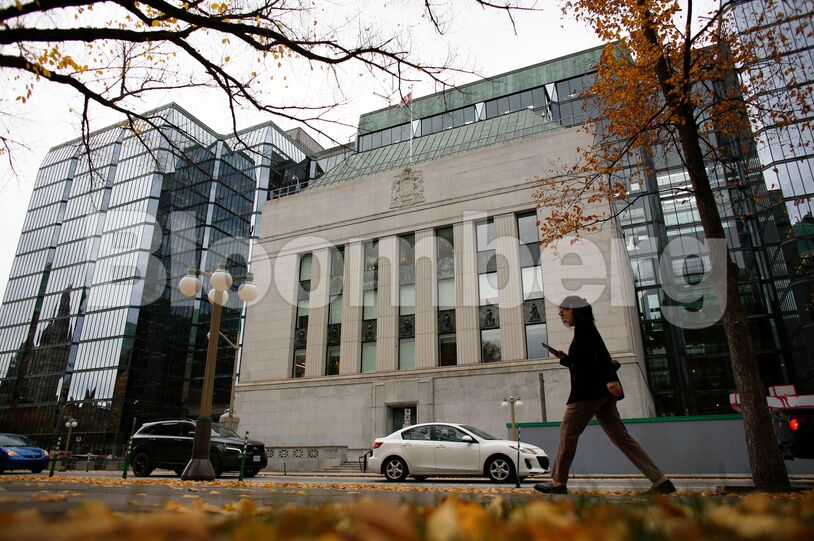
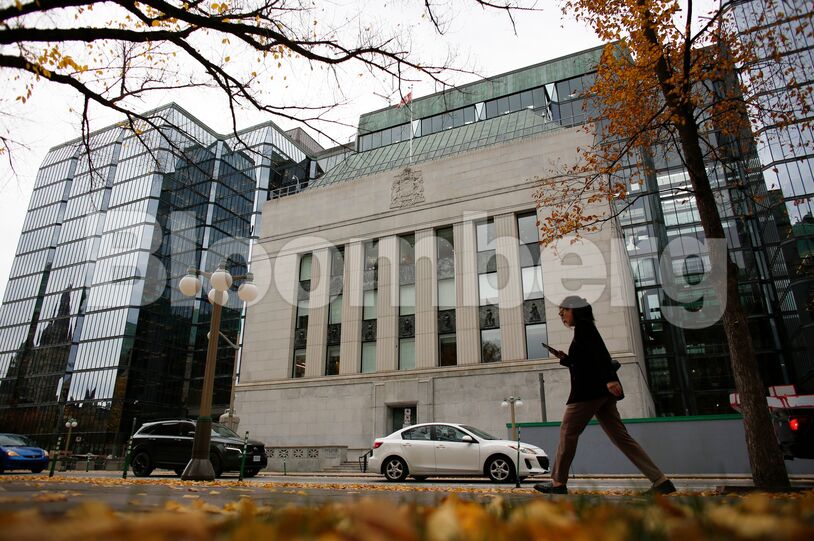
The Bank of Canada has less reason to raise interest rates than the U.S. Federal Reserve, with Canada’s inflation pressures more concentrated in gasoline prices and its weaker economy helping contain broader price increases, according to CIBC.
In an Oct. 6 report, CIBC economist Helen Lao says the Fed’s recent quarter-point hike prompted expectations that Canada would follow, despite differences in the underlying inflation picture.
Only 38% of Canadian consumer price index components are rising faster than 3% annually, compared with roughly half of the categories in the Fed’s preferred personal consumption expenditures measure.
CIBC estimates higher-than-average gasoline prices accounted for about 0.8 percentage points of Canada’s one-percentage-point inflation overshoot in August. Fuel-related increases in airfares and travel tours added further pressure, partly offset by economic slack.
Lao says easing fuel costs could therefore bring Canadian inflation much closer to target, while U.S. inflation faces broader pressures from tariffs, AI-related spending and excess demand.
CIBC expects another Fed hike and says Canada could follow in 2027, although trade uncertainty and weaker growth will influence the timing.
“But the timing of its rate hike decisions will be a made-in-Canada story,” Lao wrote.
Visited 597 times, 597 visit(s) today
Last modified: October 6, 2026