
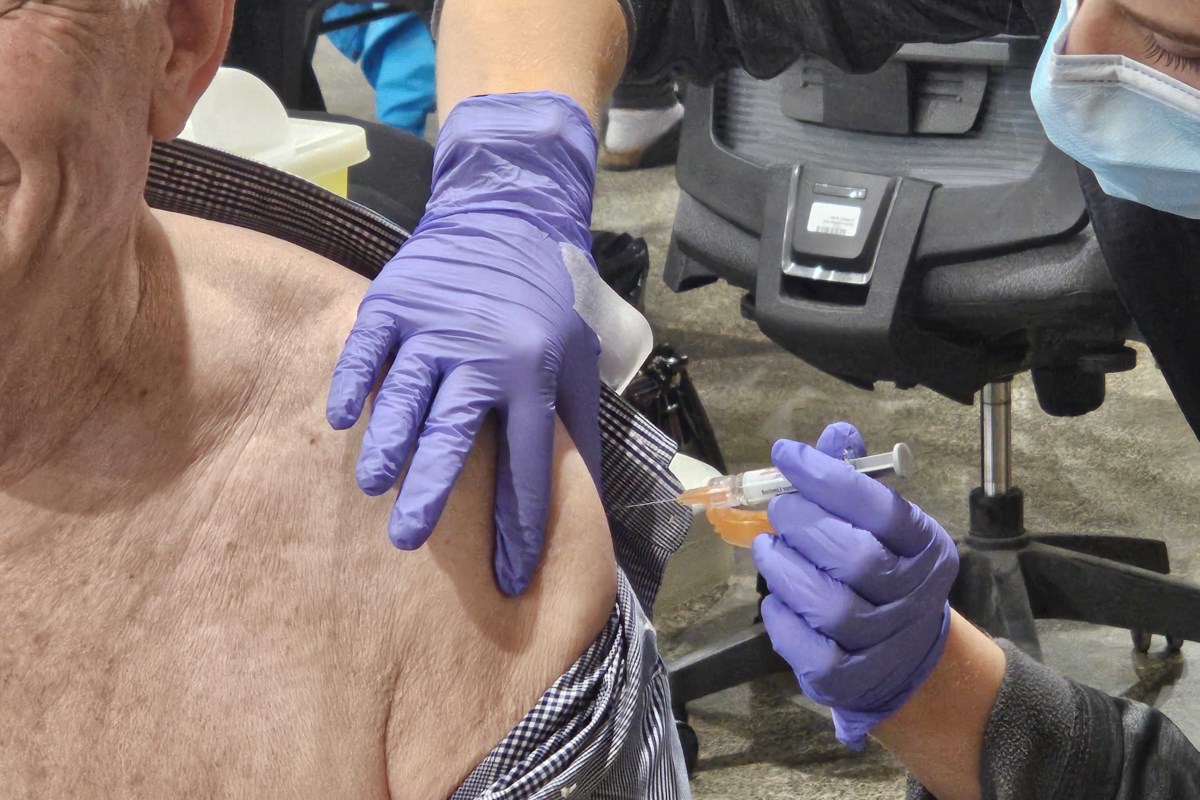
The Thunder Bay District Health Unit has released the schedule for clinics for high-risk individuals and for the general public.
THUNDER BAY — The medical officer of health for the District of Thunder Bay is urging people to begin booking appointments at upcoming clinics for vaccination against the flu and COVID-19.
For individuals at elevated risk, the inaugural clinic for the fall vaccine campaign will take place Oct. 15 at the Oliver Road Community Centre, followed by a clinic on Oct. 22 at the Superior Inn.
Those at higher risk include adults 65 and older, children six months to four years old, Indigenous people, individuals with certain underlying health conditions, health-care workers and first responders.
Attendance is by appointment only, and bookings may be made online.
Flu and COVID shots for the general public will be available at clinics on Nov. 6 and Nov. 20 at the DaVInci Centre, and on Nov. 12 and Dec. 2 at the Oliver Road Community Centre.
Information about vaccine availability in rural communities across the district is available on the TBDHU website.
Health-care providers, long-term care facilities, hospitals, retirement homes and assisted-living homes for seniors began stocking the vaccines on Oct. 1, while vaccinations will be provided at local pharmacies around mid-October.
RSV (respiratory syncytial virus) vaccine is also available for eligible adults 60 or over, and can be administered the same time as the flu and COVID vaccines by appointment.
The TBDHU recommends that people speak with their health-care provider about obtaining the pneumococcal vaccine as well.
Cases of invasive pneumococcal disease have been on the rise in the city and district in recent years.
The vaccine is available to anyone 65 and older, and to individuals 18 to 64 with certain medical conditions.
“Staying up-to-date on seasonal vaccines is an effective action that each and every one of us can take,” said Dr. Greg Holzman, the TBDHU’s medical officer of health. “When more people are vaccinated, viruses have a harder time spreading from person to person.”
Vaccinations also reduce the risk of severe illness and hospital admissions, Holzman said, thereby reducing the strain on local health-care systems.