

New data suggests the majority of Calgarians still say life is good in the city, but that number has dropped over the years.
The Calgary Foundation’s annual Quality of Life Report for 2026 found 58 per cent of the 1,000 Calgarians surveyed rated their quality of life as “good” or “excellent” — a drop from 66 per cent from the previous year and 75 per cent in 2020.
Of those surveyed, 14 per cent say their quality of life is “below average” or “poor,” up from 10 per cent in 2025 and five per cent in 2020.
Housing, food and mental health remain the primary challenges identified by respondents, says Taylor Barrie, the organization’s vice-president of communications.
“So much of the challenges come back to affordability, which is not unique to Calgary, of course,” she said.
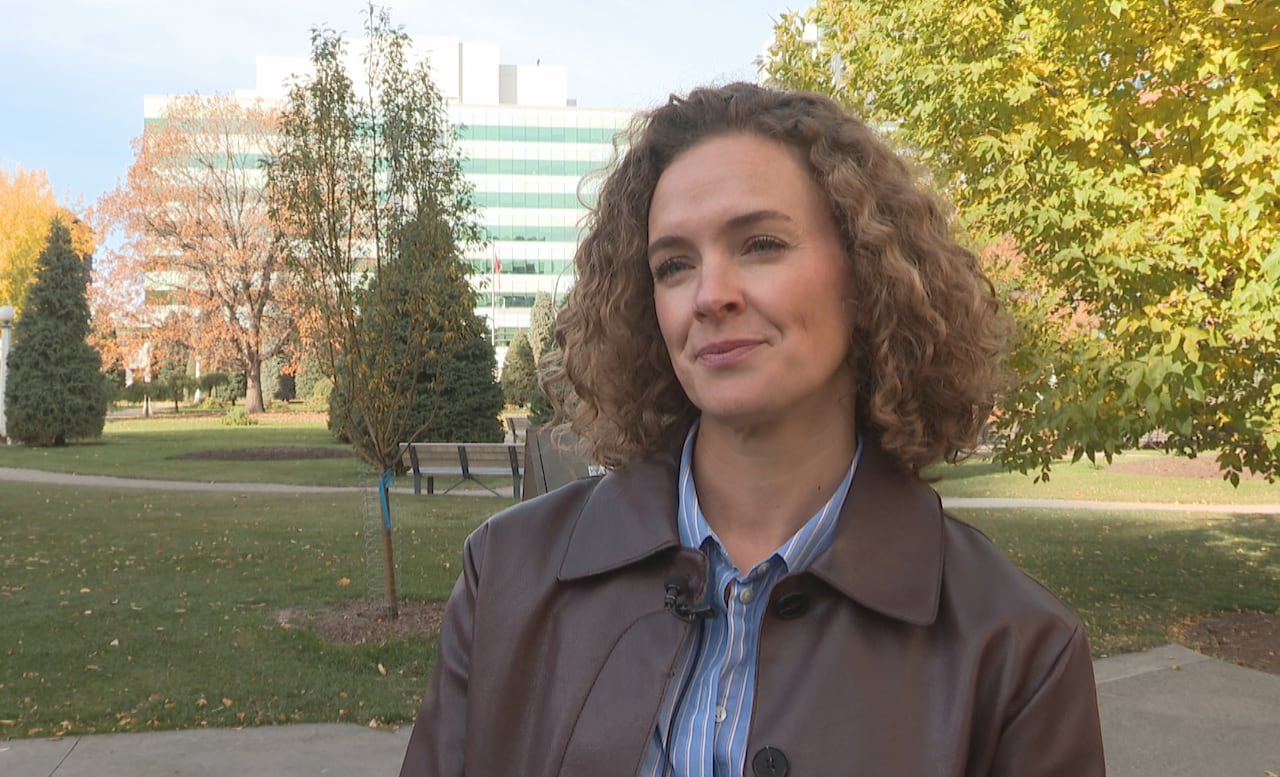
Taylor Barrie, the Calgary Foundation’s vice-president of communications. The organization released its annual Quality of Life Report for the city on Wednesday. (Terri Trembath/CBC)
The report suggests that Calgary’s quality of life rating is highly income-dependent, dropping to 37 per cent for those earning under $60,000 and rising to 89 per cent for those earning more than $200,000.
Eighty-six per cent of all respondents say Calgary is a good place to live, and 85 per cent say it’s a good place to raise a family.
Only 17 per cent plan to leave the city in the next five years — the lowest level recorded over the survey’s history.
“One of the more optimistic differences we’re seeing between last year is that fewer Calgarians are reporting that they plan to leave the city in the next five years,” Barrie said.
The report says only 38 per cent of respondents are optimistic about Calgary’s economic outlook for the coming year (down from 42 per cent in 2025). Young adults aged 25-34 are the most optimistic (48 per cent), while those aged 45-54 are the least optimistic (28 per cent).
“There was a time when that 18- to 24-year-old age bracket seemingly couldn’t wait to get out of here, which I think is kind of part and parcel with that time of life, but now more Calgarians are seeing a future here, which is really buoying,” Barrie said.
Housing stress down
Housing-related stress has decreased, to 19 per cent in 2026 compared to 28 per cent in 2024.
More renters (63 per cent) and homeowners (77 per cent) report finding suitable housing options compared to 2024.
Vibrant Communities Calgary director of policy Michelle James says “that really speaks to the strength of both our provincial and our municipal housing strategy.”
But 31 per cent of renters cannot afford their current rent, rising to 51 per cent for those with a long-term disability. And while 71 per cent of renters desire future homeownership, the primary barriers are down payment affordability (60 per cent) and mortgage payment affordability (50 per cent).
WATCH | Calgary is Canada’s new housing leader: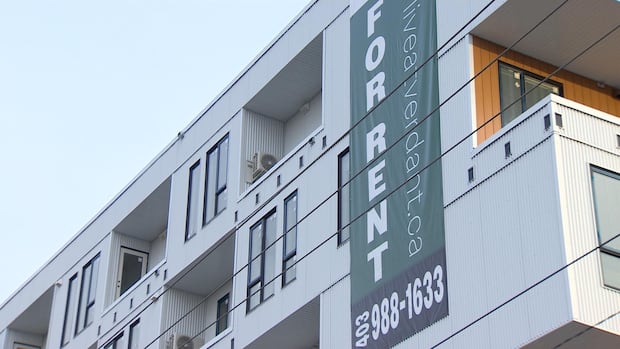
Calgary is Canada’s new housing leader
For the first time, housing starts in Calgary surpassed Toronto as the Prairie city set another record year. Rental and missing-middle homes led the way. Favourable financing and zoning changes are behind the surge.
The report found that 80 per cent of Calgarians surveyed can meet their basic financial needs such as housing, utilities, food and health care. However, this drops to 67 per cent for individuals living with a disability.
“Those most vulnerable in our community, they are still really feeling the impacts of rising cost of affordability,” James said.
The report suggests 38 per cent of respondents often or always feel financial stress. To cope with the economic climate, 32 per cent are making general spending cutbacks, 34 per cent are working more hours or multiple jobs, and 86 per cent are putting off major purchases.
Cost of living takes a toll on diet
Fifty-nine per cent of Calgarians surveyed say they have changed their eating habits due to rising costs.
To save money, 92 per cent switch to lower-cost brands, 83 per cent choose lower-cost proteins, 67 per cent buy less fresh produce, and 58 per cent serve smaller portions.
Additionally, 45 per cent worry about running out of food, which rises to 53 per cent for households with children and 61 per cent for those with a long-term disability.
“[Calgarians are] certainly saying that income assistance, so things like AISH and ADAP and income supports in our province, are just not enough to help people meet their very basic needs, especially food,” James said.
Report highlights community’s sense of belonging
The report found that 78 per cent of respondents feel a strong or moderate sense of belonging, yet nearly one in four (24 per cent) frequently feel lonely.
Barrie, with the Calgary Foundation, says residents feel the city’s growth is contributing to a positive shift in the city’s energy and overall community vibrancy.
“One of the things year over year we see is Calgary loves our arts and culture scene,” she said. “People love to get out to shows. There are some barriers in terms of ticket pricing and being able to attend all the events, but it’s really a key factor in quality of life.”
She said access to paths, parkways, and close proximity to nature and the mountains are also major positive factors contributing to Calgary’s quality of life.
The 2026 report is based on the survey responses of 1,000 Calgarians randomly selected based on demographic quotas for an accurate representation of the population. For comparative purposes, a probability sample of 1,000 results in a margin of error of +/- three per cent, 19 times out of 20.