
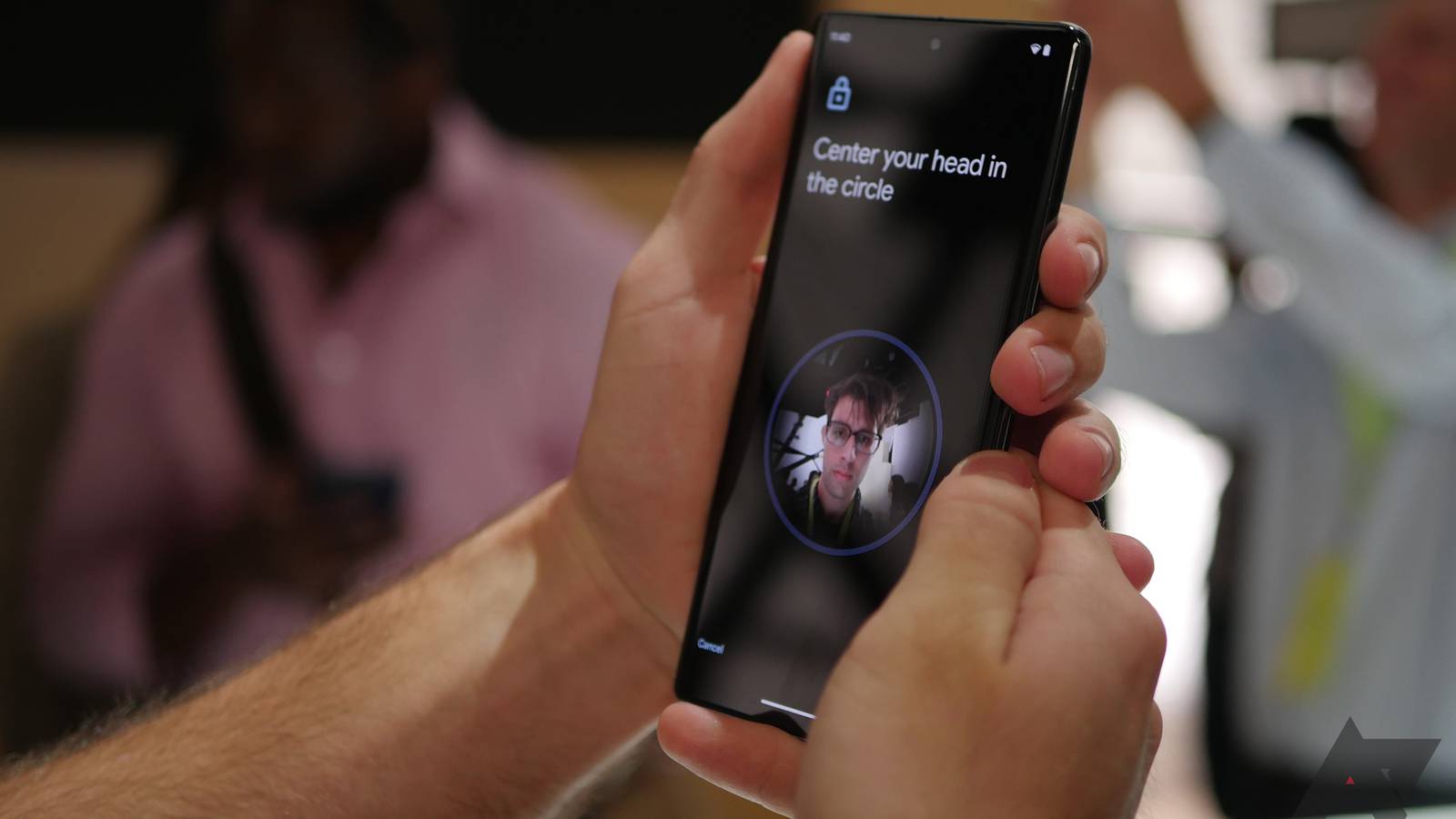
Google Pixel’s Face Unlock feature seems to work fine until you’re in a dark room, and then it refuses to recognize you.
New code found in Android 17 QPR3 Beta 1 suggests that Google may finally be working on a solution to one of Pixel’s biggest unlocking problems, according to recent findings from Android Authority.
The feature, called “Face Active Illumination,” appears to be designed to help Face Unlock in low-light settings, potentially bringing Pixel’s facial recognition closer to the reliability of Apple’s Face ID.
Android 17 code gives a sneak peek into a new Pixel feature for facial recognition in the dark
Android 17 QPR3 Beta 1 has several code references tied to Face Active Illumination, along with an option to control the brightness level. But it does not reveal what technology the feature would use.
There’s also a separate setting that allows you to choose when the feature should come into play. It houses different toggles, ranging from Bedtime and Do Not Disturb to potential driving settings, and users can decide how bright the effect should be.
Even though Google hasn’t officially announced the feature, if this code translates into a real feature, it could be the tech giant’s way of giving Pixel users a reason to choose facial recognition as their go-to authentication system.
There isn’t much to see yet, as the interface remains largely unfinished. The current code offers a few hints, including three brightness levels set through a slider that you can adjust to your preferences.
Related
Google’s Pixel 11 may finally give us the Face Unlock we always wanted
More details emerge on the upgraded sensor
The feature may rely on screen brightness rather than IR blasters hidden beneath the display. However, the possibility that the feature is tied to Project Toscana can’t be ignored.
The discovery could indicate that Google is exploring infrared technology, something the company has been working on behind the scenes for quite some time. However, no one has confirmed that the two are connected.
Google hasn’t had a solid Face ID rival since the Pixel 4, which paired dedicated infrared hardware with a Soli radar chip to quickly unlock the phone during the day and in the dark.
Google’s approach ran into trouble abroad because the radar used the 60 GHz frequency band, which wasn’t cleared in some markets.
As a result, the Pixel 4 fell afoul of international radar regulations, and Google did not sell the phone in India. Its radar-based Motion Sense features were also unavailable in Japan at launch (paywall).
XDA first reported the restrictions in 2019, ahead of the Pixel 4 announcement. Google dropped the radar and infrared hardware from later Pixels, which is why current models rely on camera-based Face Unlock that struggles in low light.
Google hasn’t announced when Pixel phones will get Face Active Illumination. For now, we know that it could make it to future Android builds, unless the company decides to pull the plug altogether.
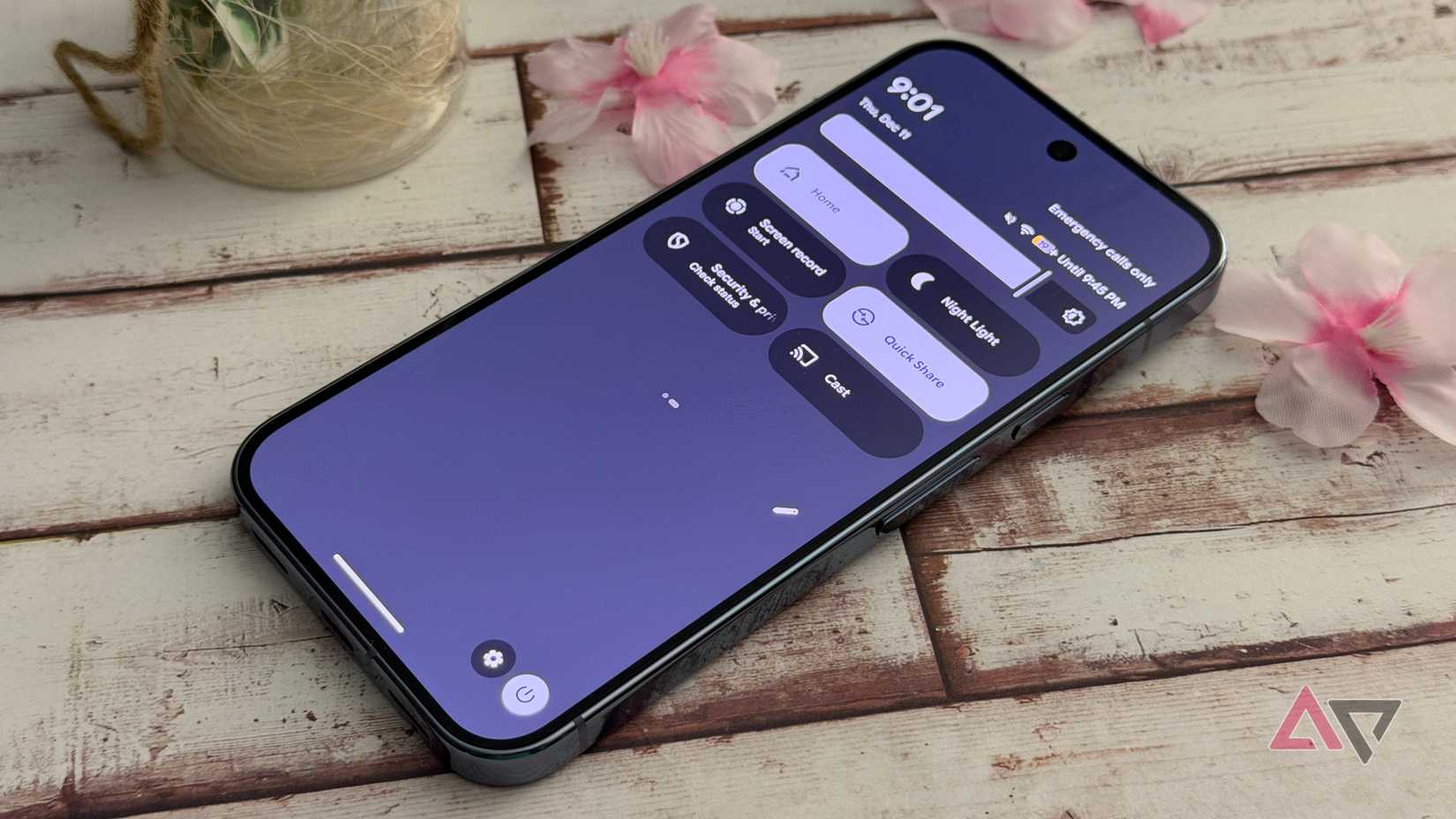
While the upgrade sounds exciting from a utilitarian standpoint, we still don’t know much. The settings are unfinished, and some of the code’s wording makes it hard to tell whether the feature will actually work.
On the other hand, shining a bright light on your face in the dark doesn’t seem like an ideal way to unlock your phone, but it’s something to look forward to, as details remain scarce.
We’ll have to wait for Google to make this official before we know whether Pixel’s answer to dark-room facial scans is simply to turn up the screen brightness.