
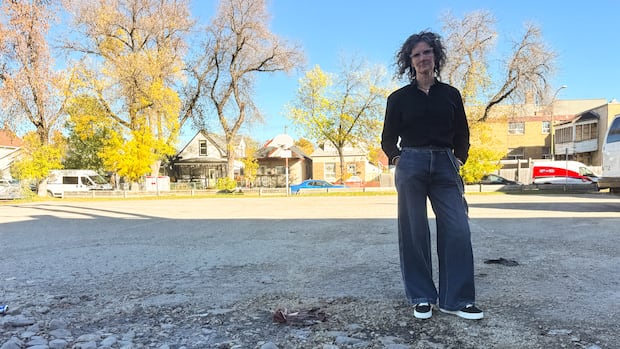
Piles of garbage, open drug use, people sleeping outside.
Those are some of the issues Bonnie Ferguson-Baird has noticed around Mission Baptist Church on Sargent Avenue in Winnipeg’s West End. It houses the Freedom International School where she works.
“As this year progresses, now there’s more people that are sleeping around the building that are not moving off the site when students come,” said Ferguson-Baird, vice-principal of student services at the high school for newcomers.
“Lots of drug use and lots of garbage … The staff come in the back door, you see some pretty inappropriate things going on.”
Monica Reis, who lives a short walk away on Arlington Street, says over the summer she saw people using drugs in the open almost daily, along with people sleeping “rough.”
“I know there are lots of people who would not walk down this backlane anymore to go to get to Sargent Avenue,” Reis said. “I think things could be done where people could feel safer.”
Ferguson-Baird and Reis attended a community meeting last month to discuss the issues facing the neighbourhood.
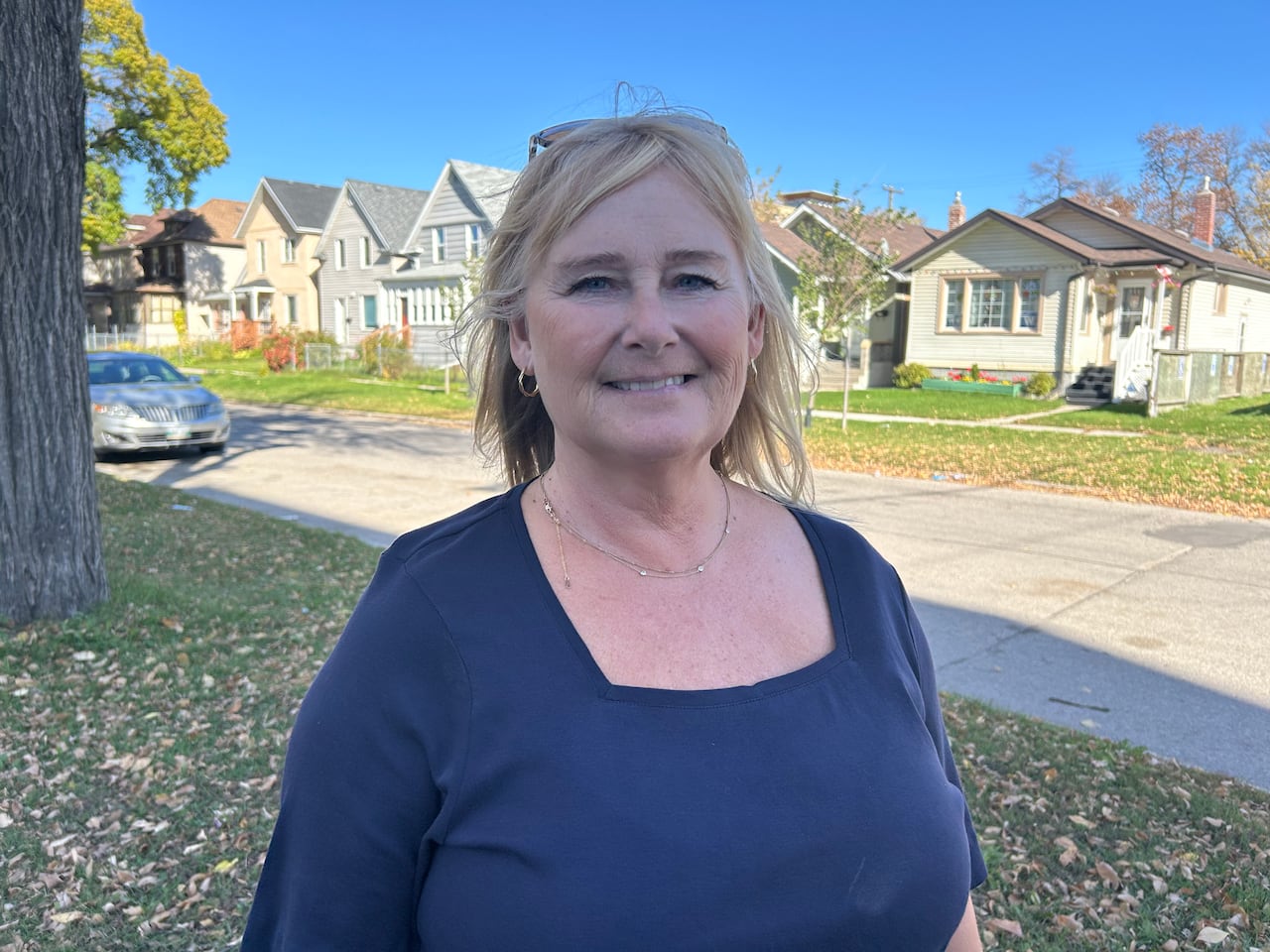
Monica Reis would like to see someone patrolling the back lane near her home and a nearby transitional housing building in an effort to make the area safer for everyone. (Alana Cole/CBC)
Both say they’ve noticed changes since Main Street Project opened its transitional housing building, but they say they’re not blaming residents or vulnerable people. They want improvements in the area for everyone.
Main Street’s executive director says what people are seeing points to the complex issues of homelessness and toxic drugs, with the city’s encampment restrictions and the police crackdown on open drug use playing a role.
WATCH | More people sleeping outside area of Winnipeg school, vice-principal says: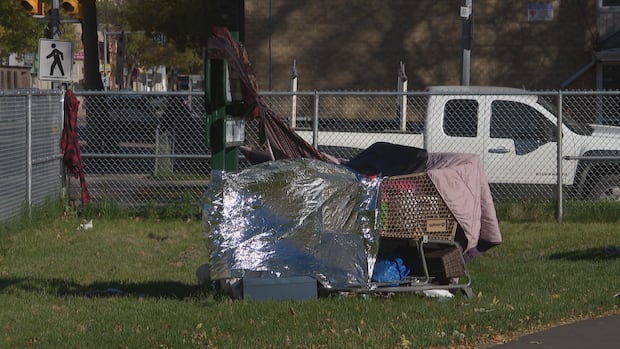
Area around school seeing more open drug use, vice-principal says
Some who work and live in an area of Winnipeg’s West End say they’ve been seeing an increase in the number of people sleeping outside, and open drug use. They want more resources in the area to keep everyone safe.
“The city encampment motion has made it so that, you know, we’re seeing more people sleeping on the streets rough, versus staying in encampments,” Jamil Mahmood said.
“But then also, like, with the police sweeps and things like that, we’re also seeing displacement of people moving out of kind of the downtown core into the surrounding communities.”
Mahmood said Portage Place closing means people who might have spent time there have also been displaced to other areas.
“I would argue most of the issues aren’t related to the housing block at all,” he said. “They’re related to the broader issues we’re seeing in our city.”
Main Street Project, which moved its transitional housing into the neighbourhood roughly two years ago, has made adjustments in the past to address issues even when they weren’t directly related to residents, Mahmood said.
Staff at the school have been working with Main Street Project to find solutions. Their staff come by to check the area at the start and end of the school day.
Ferguson-Baird says she’d like to see more resources and services in the area, such as public bathrooms, daily garbage pickup, a space for people to go if they’ve used drugs, and the ability for Main Street Project to have staff out patrolling more often.
“If they had the funding to have 24-hour support care that’s walking around, whether it’s in a vehicle or on foot, that would really help the situation,” she said.
Reis, who said she’s seen improvements in the area since the community meeting, would also like to see a patrol or outreach in the area.
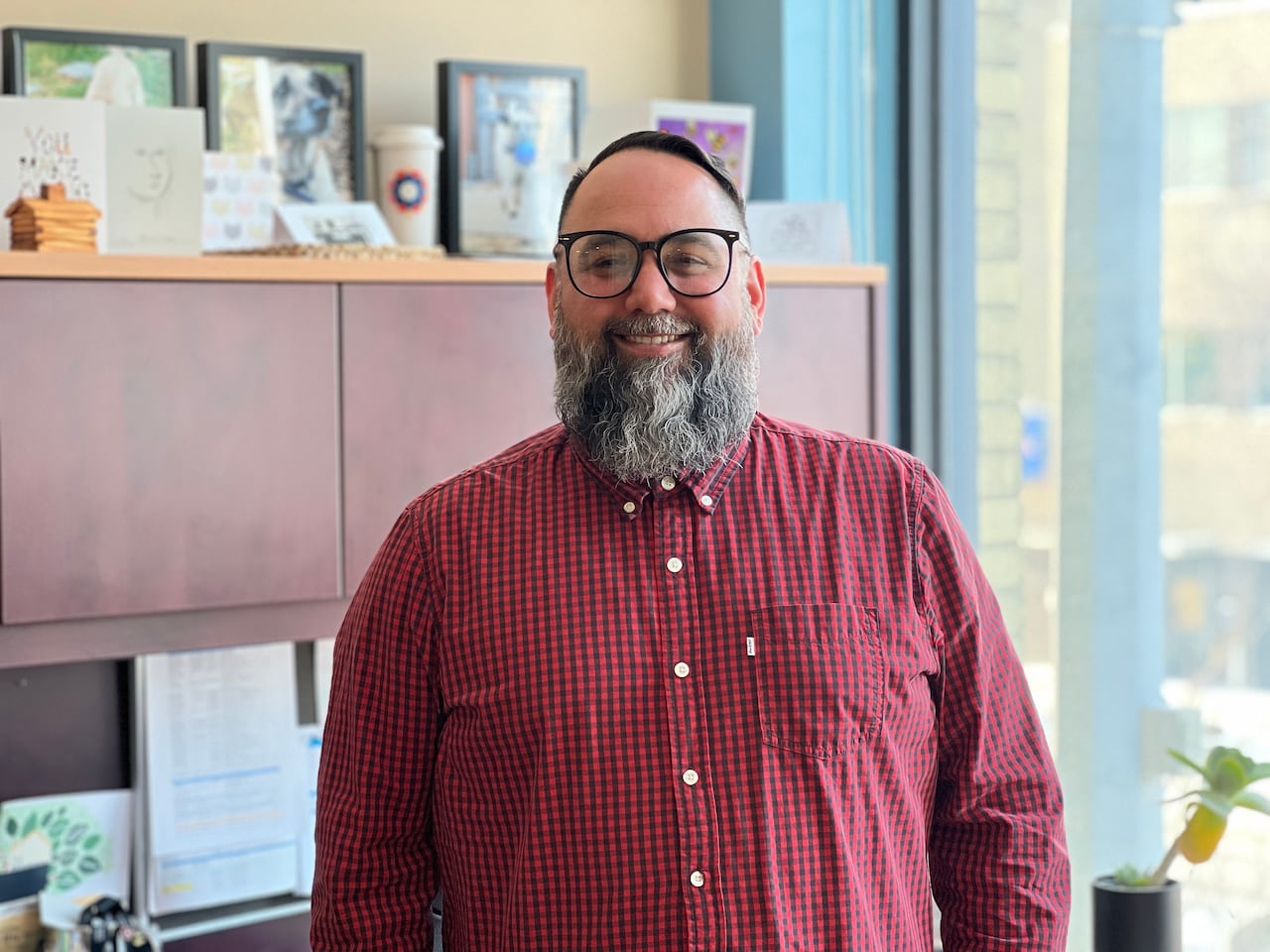
Jamil Mahmood, executive director of the Main Street Project in Winnipeg, says there’s a need for more community outreach programs and places to go for people to use substances safely. (Felisha Adam/CBC)
In general, Mahmood says, there’s a need for more community-based outreach programs and teams, and more spaces like the new supervised consumption site.
Bernadette Smith, Manitoba’s minister of housing, addictions and homelessness, says the government is trying to get the word out the province’s first consumption site has now opened at 366 Henry Ave. and has staff there to help.
“We want to make sure that people who are using substances get to the supervised consumption site because there are people there that are experts in supporting, you know, folks and making sure that they’re not overdosing, right? Or, if they do overdose, that, you know, there’s medically trained staff there that can respond,” Smith said.
“We also have mental health workers at the supervised consumption site and there are pathways into treatment and recovery. And that’s the ultimate goal is to get people there so that they can get the supports and services that they need.”
Smith says the province has been focused on getting people into housing, but knows there’s more work to be done.
“We’re going to continue to get more housing online,” said Smith. “We know housing is a social determinant of how well people do.”
A spokesperson for the City of Winnipeg said in an email the city is committed to community safety, “including addressing concerns related to accumulation of debris and garbage, encampments, and by-law enforcement.
“The social issues around addiction and homelessness require a co-ordinated approach that involves city departments, partner agencies, the provincial government and individual communities.”