
Well, it’s happening.
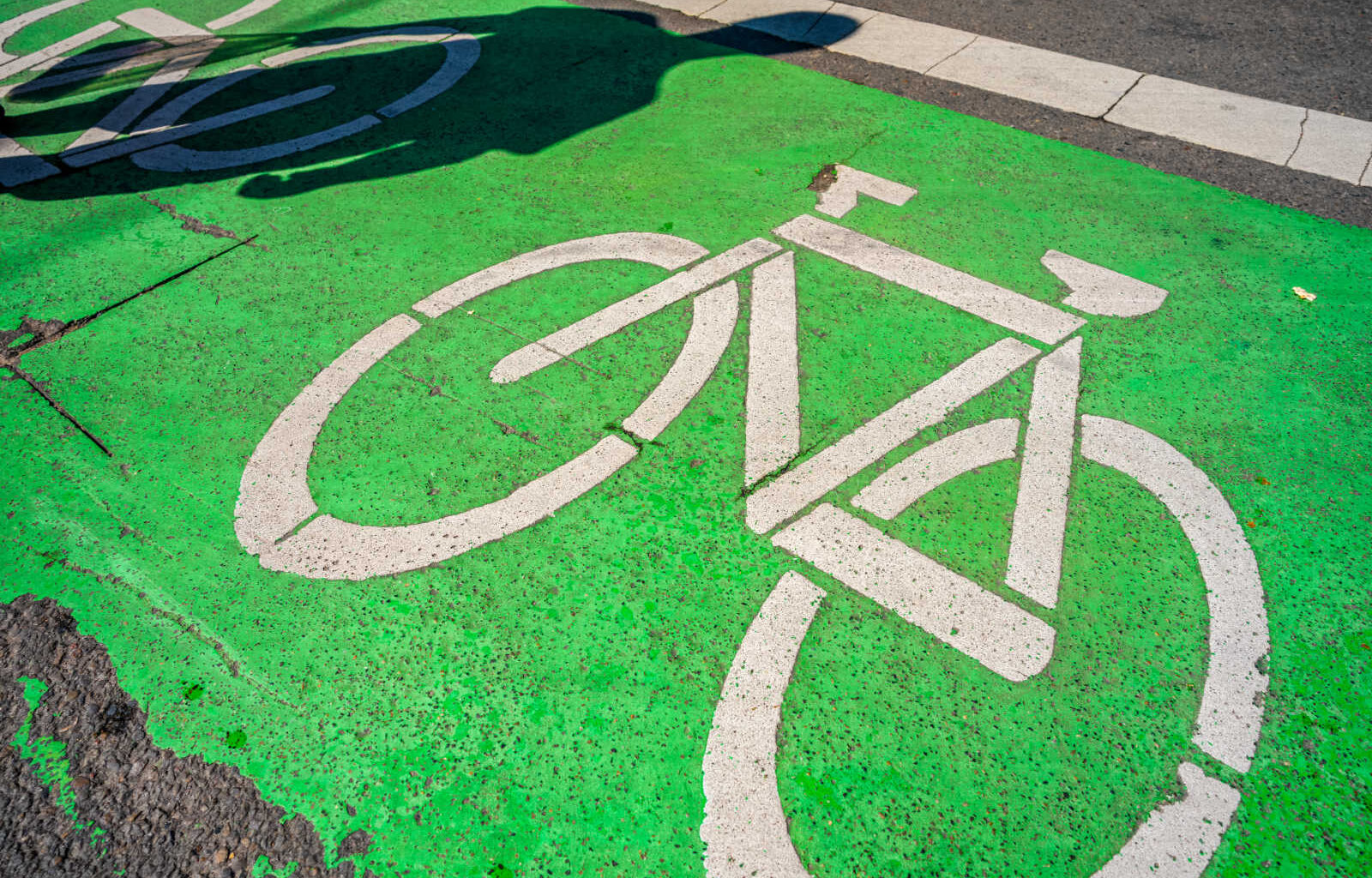
Ontario’s plan to remove protected bike lanes across Toronto moves ahead Tuesday, with construction crews set to begin work on Bloor Street West in Etobicoke.
The project covers a 1.2-km stretch between Clissold Road and Royal York Road. According to a Ministry of Transportation construction notice, crews will remove pavement markings and pre-cast concrete curbs before repainting the road and installing signs to reopen a vehicle lane in each direction, as reported by the CBC.
The work is expected to be completed in November. Most construction will take place at night to limit disruption. Although daytime work is possible depending on weather and operational requirements. Access to businesses, properties, sidewalks and emergency services is expected to remain available throughout the project, according to the notice.
Ontario government’s big plans
This is just the latest development in a seemingly never-ending saga of the bike lanes saga, Ontario edition. The whole thing began in 2024 when Premier Doug Ford announced that the provincial government would be taking power away from municipalities when it comes to bike lane creation. Cycling advocates fought back, winning a Charter challenge. But alas, that didn’t stick.
Of course there’s a car parked in the bike lane in Doug Ford’s video
An August decision by the Ontario Court of Appeal allowed the provincial government to proceed with removing 19 km of protected bike lanes in Toronto. The ruling overturned a lower-court decision from July 2025 that had prevented the removals.
What’s next
The province has argued that restoring road space for motor vehicles is necessary to address congestion. Transportation Minister Prabmeet Sarkaria said in September that the government would move ahead with the work following the appeal court decision.
The Bloor Street project is not the first change to the cycling infrastructure along this corridor. In December 2025, Ontario completed work on a 600-m section between Resurrection Road and Clissold Road, restoring a vehicle lane while retaining the bike lanes. Tuesday’s work will take place immediately east of that section.
Cycling advocates have challenged the province’s approach, arguing that removing protected infrastructure will not deliver the promised traffic benefits and could increase risks for people riding bikes. As far as some of the other removals on main streets like Yonge, or University, that isn’t quite clear yet. The latest was the city putting in a request for proposals for external contracts. And there lies another wrinkle–it’s going to cost a lot.
Michael Longfield, executive director of CycleTO, told the CBC that the group was “outraged but not surprised” by the government’s decision to proceed. He argued that the removals would waste $48 million, fail to ease congestion and put people’s lives at risk.
Delays during removals
The province’s construction notice warns that drivers may experience delays while crews work along the corridor. Which is, well, curious. If the government goes ahead with massive lane removals and reconstruction of intersections, gridlock could, and most likely will, be even worse for months and months. Those removals would be far more extensive than the Bloor Street project set to begin next week. So it will be interesting to see–if it does happen–how that all works.
Cyclists are fighting back however, with lots of protest rides planning. Meanwhile, in other parts of Canada–notably Alberta, similar stuff is going down. There are plans by that government to try and emulate what’s happening in Ontario, and remove power from towns and cities’ abilities to plan or create bike lanes.