

Listen to this article
Estimated 5 minutes
The audio version of this article is generated by AI-based technology. Mispronunciations can occur. We are working with our partners to continually review and improve the results.
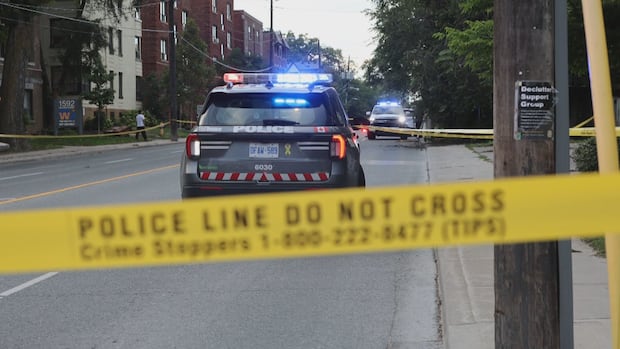
Toronto is seeing an increase in pedestrian deaths from traffic collisions across the city compared to previous years, according to police data, and some advocates say they aren’t surprised.
Data from Toronto police’s traffic services unit shows 21 pedestrian deaths throughout the city this year due to traffic collisions — a 24 per cent increase from last year.
At this rate, the city is on track to possibly exceed the number of pedestrian fatalities seen in 2022, which had 44 deaths — the highest number in recent years. Toronto police did not have a breakdown of fatal collisions past 2022 and total traffic collisions past 2020 due to an update in their reporting tools, they said.
Jess Spieker, spokesperson for road safety advocacy group Friends and Families for Safe Streets, says this increase is not unexpected, especially after the province removed speed cameras last November.
She said she feels driving behaviour is “getting worse” in the city and that without cameras, the province has essentially allowed drivers to “speed whenever and wherever they want.”
Toronto is averaging at about 4 deaths per month this year in total traffic collisions and is on track to have around 49 traffic collision fatalities by the end of the year, she said.
“That is not a road safety record to be proud of,” said Spieker. “[It’s] just innocent people, who are trying to get home, who get killed in a car crash that could have been prevented.”
She urged Premier Doug Ford, Transportation Minister Prabmeet Sarkaria and other government officials to bring back enforcement measures, such as speed cameras, and to build complete streets with space for all users across Toronto and Ontario.
WATCH | City reported increase in speeding drivers after camera removals: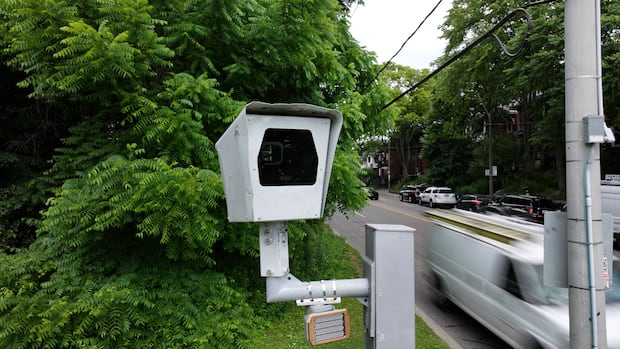
More Toronto drivers are speeding after camera removals, says city report
Toronto has seen a significant increase in the number of drivers speeding since the Ford government removed cameras late last year. CBC’s Naama Weingarten breaks down the numbers and the reaction.
In response to a request for comment, Dakota Brasier, spokesperson for the Ministry of Transportation, said measures that slow drivers down, such as speed bumps and roundabouts, are the best way to keep Ontario roads safe.
She said Toronto has received $10 million through the province’s road safety initiative fund to put traffic calming measures in place that won’t change vehicle lanes.
A city staff report in February indicated that it could take 13 years and around $52 million to install traffic calming measures throughout Toronto. Another city report in June found a significant increase in speeding where cameras were once located in the city.
Toronto police’s data also revealed a five-year high in motorcyclist deaths from traffic collisions with 11 fatalities as of Oct. 5 this year — that’s a 57 per cent increase compared to the same time last year.
Walking in Toronto is ‘life and death issue’: pedestrian
Toronto resident Gary Smith, who lives in the St. Lawrence Market area, says he and many of his neighbours primarily walk to get around the city. But that lifestyle comes with a major downside, given the “danger” they feel “almost every day,” he said.
“It literally is a life and death issue, when you are crossing the street and you experience aggressive driving and dangerous driving,” Smith said, adding not a day goes by where he doesn’t see a driver speed, run a red light or use their cellphones while at the wheel.
In May, Smith started tracking and posting online the number of pedestrian-involved collisions reported in news stories throughout Ontario.
He says wanted to see if the way he felt walking around the city was reflected in what was actually happening.
WATCH | It could take 13 years to implement traffic calming measures throughout city: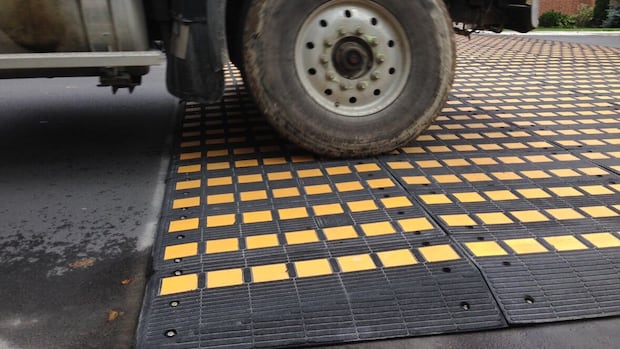
After Ontario’s speed camera ban, it may take $52M to install new traffic safety measures
Months after Ontario banned speeding cameras, a new city staff report warns it could take 13 years and cost $52 million to roll out alternative traffic safety measures. CBC’s Naama Weingarten breaks down what will replace the cameras — and why some Toronto councillors are unhappy with the situation.
While he hasn’t gathered enough data to make a proper analysis, Smith says he hopes to find trends to hopefully effect change.
“All it takes as a pedestrian is one mistake or one collision and you can be killed or you can be injured,” he said. “If we can make the world safer for pedestrians, we’re making it safer for everybody.”
City, police hold education sessions to ‘combat’ increase
Toronto police spokesperson Nadine Ramadan says traffic enforcement across the city stayed consistent before and after speed cameras were removed.
She said officers use analytics to see where enforcement is most needed to improve safety and to focus on risky driving behaviour, such as speeding and impaired driving.
In a statement, Toronto police said speed and lack of attention are major factors in many fatal collisions. They’ve hosted education sessions with the city to “combat” the rise in deaths, it read.
“Drivers, riders, cyclists and pedestrians need to slow down and pay attention to what they are doing while interacting with others on or near roadways,” the statement said.
While awareness is important, Spieker said “finger wagging” at drivers won’t change much as it’s not possible to control the actions of all road users.
Sheyda Saneinejad, manager of the city’s Vision Zero strategy, said Toronto is implementing safer street design, lower speed limits and pedestrian signals as measures to ensure road safety.
“One death or injury on our roads is one too many, and the City of Toronto remains committed to continually working to improve safety for all road users,” she said in an emailed statement.