

Listen to this article
Estimated 4 minutes
The audio version of this article is generated by AI-based technology. Mispronunciations can occur. We are working with our partners to continually review and improve the results.
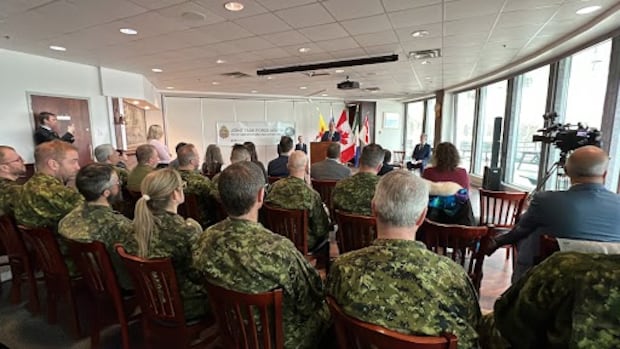
An Alberta city that’s home to a Canadian military base has some advice for Yellowknife’s next mayor and council, when it comes to navigating a potentially major influx of military investment.
The community of Cold Lake, Alta. is a similar size to Yellowknife, with a population of around 18,000 people, and its military base is home to the busiest fighter aircraft wing of the Canadian Armed Forces.
Yellowknife, meanwhile, has this year been told to expect between $5 and $8 billion in new military spending, or an “almost a generational level of investment,” according to one defence official. That funding will go toward upgrading Yellowknife’s NORAD Forward Operating Location, located near the airport.
Then there’s the Grays Bay Road and Port, and the Mackenzie Valley Highway, which were both listed as projects of national interest by the federal government, partially because of military potential. Both projects would see roads connecting Yellowknife to the Arctic Ocean, meaning the city could benefit economically from their construction.
With Yellowknife now in the midst of a municipal election campaign, the question of how to navigate that kind of investment in a way that benefits the city has become a key talking point for city council candidates.
Melissa Syer, one of two people running for mayor, has run a campaign that’s highlighted her background in the military to argue that she’s the best person to handle meetings with the Department of Defence. Garett Cochrane, who’s also running for mayor, draws on both his experience on city council and in Indigenous procurement as reasons for why he should be the one to lead the city through this investment.
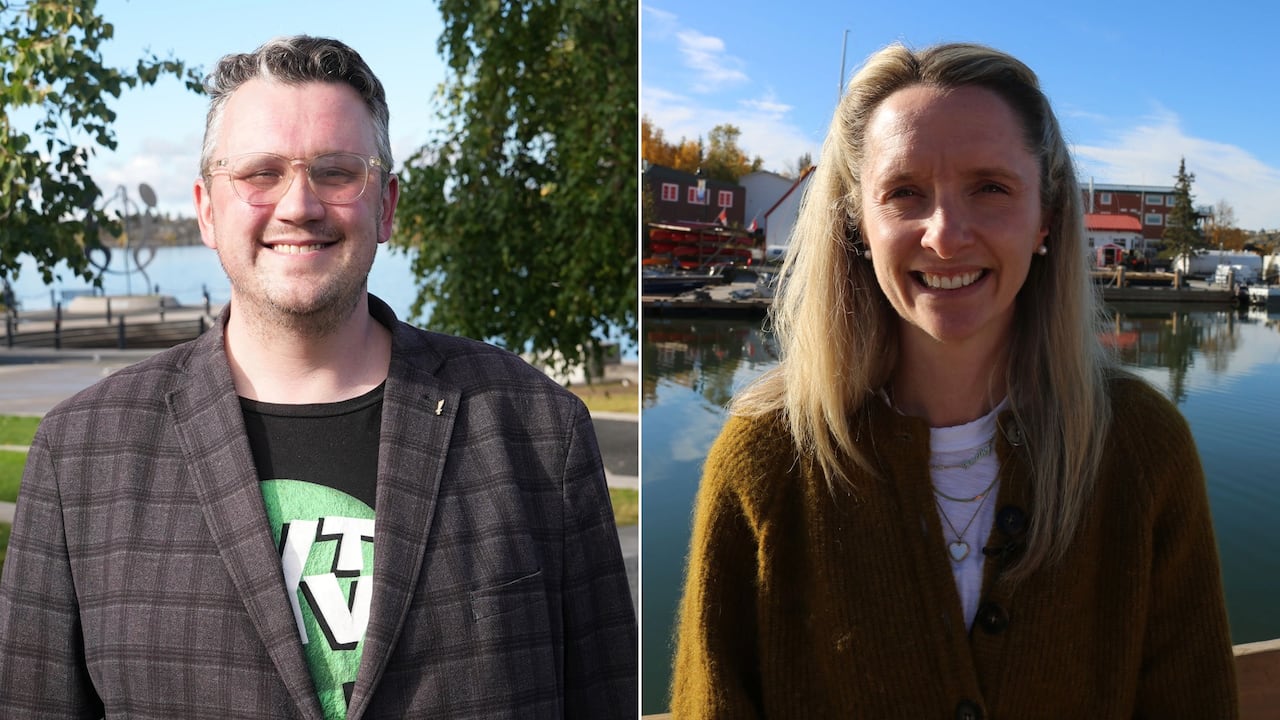
Yellowknife mayoral candidates Garett Cochrane, left, and Melissa Syer, right, have both argued that they have the right experience to lead Yellowknife through future military investment. (Thomas Ethier/Radio-Canada, Sarah St-Pierre/CBC)
But Kevin Nagoya, who’s been the chief administrative officer for the City of Cold Lake for 17 years, says neither military expertise nor civic understanding will help in any negotiations with defence officials.
He says it’s more important to focus on building good relationships, “especially with the local representatives that are on the ground.”
He says there are some things Yellowknife will need to consider when it comes to preparing its economy for military spending, such as ensuring local contractors have security clearance to work on military projects.
He says his city hosts engagement sessions with contractors to try and ensure they have everything they need to be successful before bidding on military projects.
“So that way, your contractors that are looking for that work [are] able to do that kind of work ahead of time … because once those contracts are released, it’s almost too late,” he said.
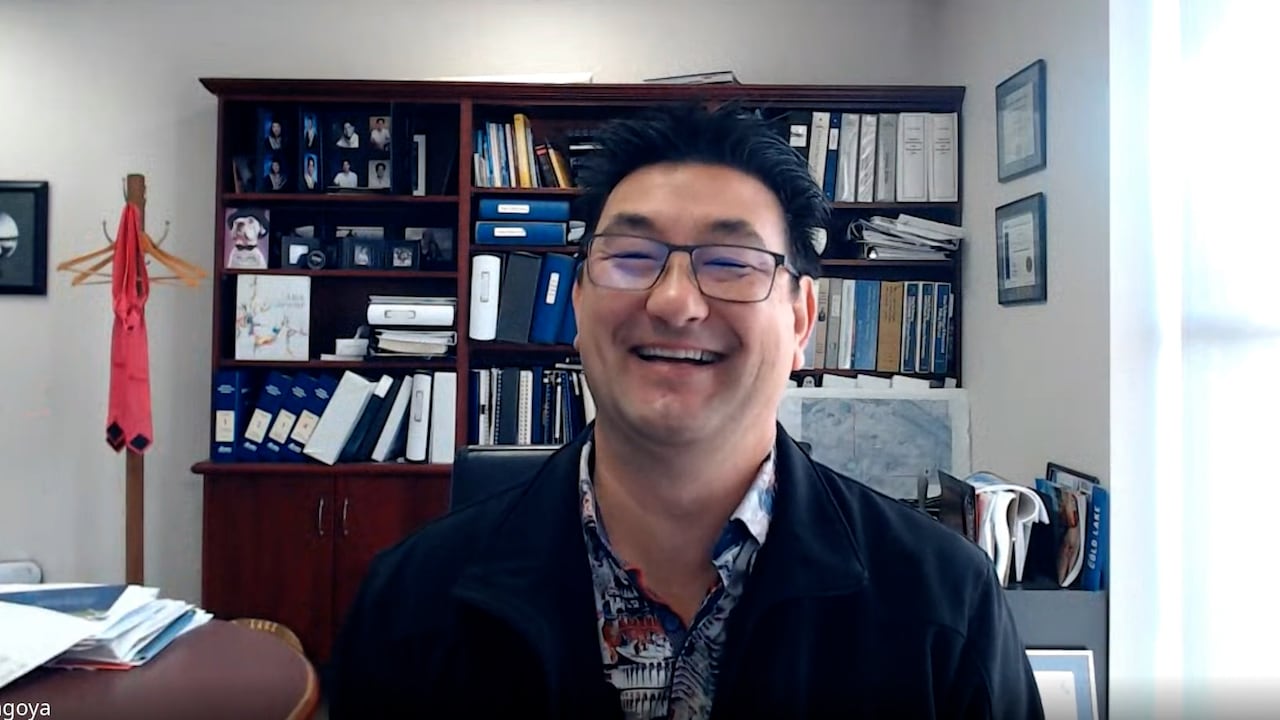
Kevin Nagoya, chief administrative officer of Cold Lake, Alta., said it’s important to ensure local contractors have necessary security clearance to bid on military projects before the bids go out. (Luke Carroll/CBC)
Dual-use infrastructure
Another issue facing the next Yellowknife council is dealing with the city’s degrading infrastructure. Some city residents have wondered whether military investment can help address those issues.
The term “dual-use infrastructure” is used regularly to refer to infrastructure that both the public and the military use. That could include things like electricity and water systems, with the military either paying fees to use those local services or helping pay for system upgrades.
Nagoya said that in Cold Lake, there is a regional water and wastewater treatment commission board of directors that includes representatives from the Department of Defence.
“So directly, through fees and also direct contributions, I can say that the [military] base contributes to that commission for water and wastewater treatment upgrades that are already existing,” he said.
Don’t expect major investments for the public, says former colonel
But Pierre Leblanc, a retired colonel with decades of experience in the North, including as commander of Joint Task Force North, says Yellowknifers shouldn’t expect massive changes as a result of more military presence in the city.
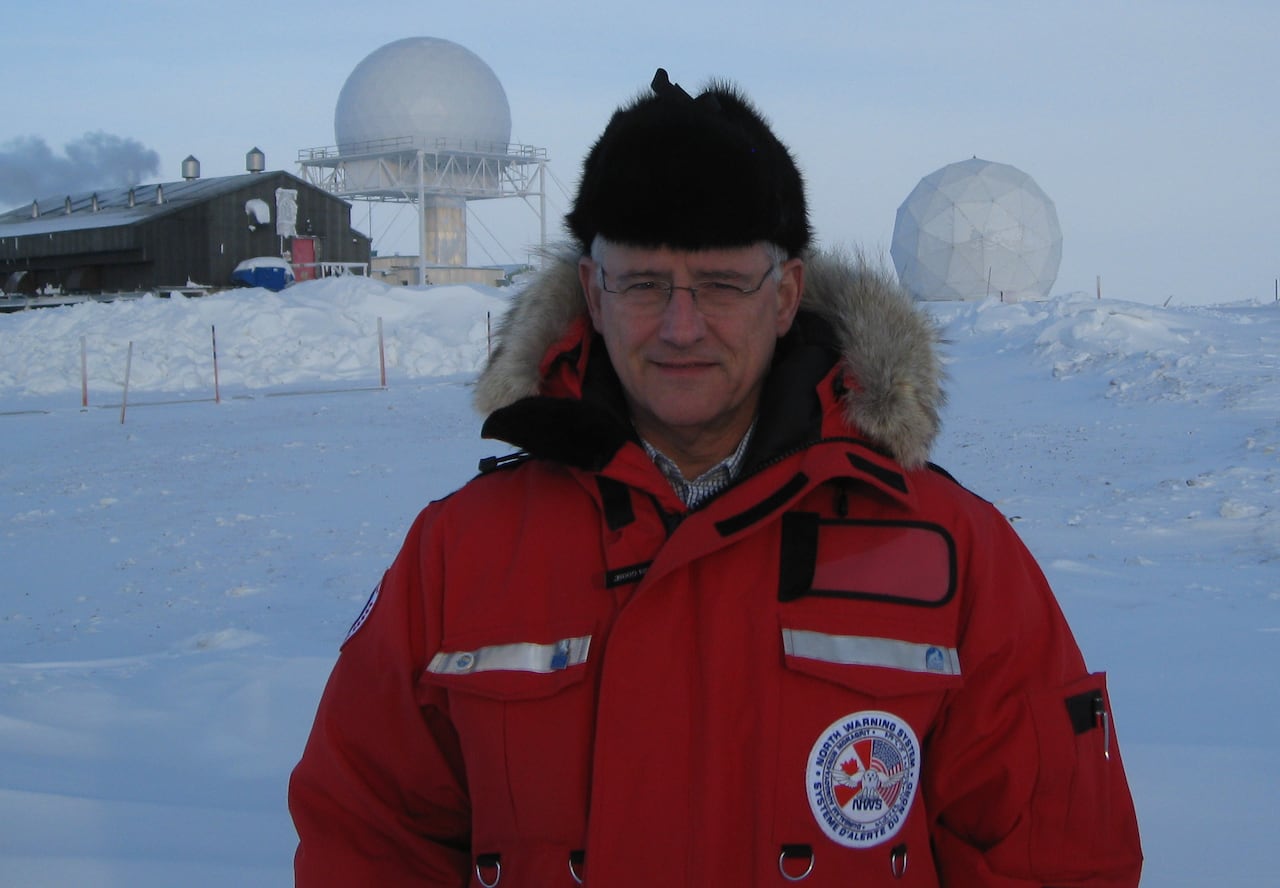
Pierre LeBlanc, an Arctic security consultant and retired colonel in the Canadian Forces, says Yellowknifers shouldn’t expect major changes from new military investment in the city. (Submitted by Pierre Leblanc)
“What facility would the government build for the military in Yellowknife that could be used by anybody in Yellowknife?” he said.
Still, LeBlanc said it’s understandable why local politicians say they’ll work to take advantage of “all the investments that are being talked about.”
Leblanc says there are things that could create local jobs, such as the construction at the airport. Beyond that, he says, it’s not clear what other projects will have a direct impact on Yellowknife.
CBC News contacted the Department of Defence and Defence Construction Canada about the planned investments in Yellowknife, but an interview wasn’t granted by deadline.