


Listen to this article
Estimated 5 minutes
The audio version of this article is generated by AI-based technology. Mispronunciations can occur. We are working with our partners to continually review and improve the results.
With a resounding vote in favour of Alberta staying in Canada, business leaders are breathing easier, saying the result of the provincial referendum will bring more certainty for investors and give a boost to the entire country’s economy.
“It is a huge relief,” said Deborah Yedlin, president and CEO of the Calgary Chamber of Commerce.
“This vote to stay in Canada means that certainty has been established and that we can attract that investment. And that will benefit the economy, not just for Alberta, but for the country.”
Albertans voted on 10 questions on Monday, one of which asked whether voters wanted the province to remain in Canada, or if they were in favour of holding a binding referendum on whether to separate.
Ballots are still being counted, but with 1.8 million votes tallied 12 hours after polls closed, the remain side was leading with 75.5 per cent, and CBC News is projecting that Albertans have voted to remain in Canada.
For some, economic challenges within the province were part of the reason for wanting to separate. The crash in oil prices in 2014 hit the major energy-producing province hard, and supporters of separation have said they could reap more benefits from the oil patch if Alberta were on its own and didn’t have to make equalization payments to the rest of Canada.
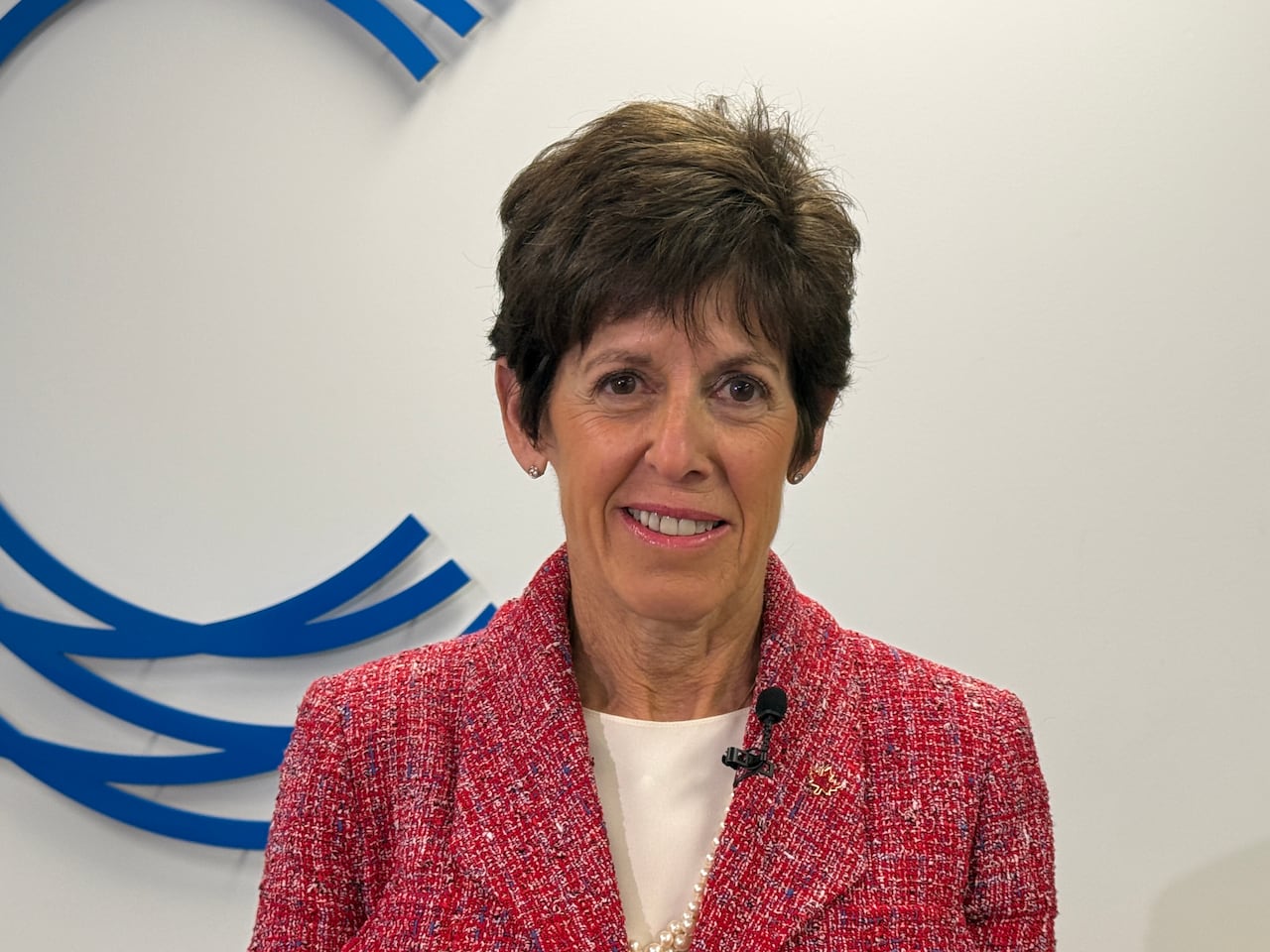
Deborah Yedlin, president and CEO of the Calgary Chamber of Commerce, says the result of the vote is a major relief for business owners and investors in the province and abroad. (Joe Fiorino/CBC)
But many business leaders ahead of the referendum voiced their support for the remain side. The Canadian Chamber of Commerce and Alberta Chamber of Commerce warned in July that a yes vote for a future binding referendum could open “another cycle of uncertainty” for business owners, leading potential investors to stay on the sidelines until the dust had settled on whether the province would leave Canada.
A poll of the Calgary Chamber of Commerce’s members found that nearly half of respondents said they were prepared to relocate their businesses outside of the province if Albertans voted to begin the formal process to leave the country. And another 60 per cent in that same poll said that separatism was already taking a negative toll on their business.
With the vote coming at a time of widespread global uncertainty and a worsening trade relationship between the U.S. and Canada, Yedlin said the referendum question only “added to the pile” for business leaders.
At Capital Power, CEO Avik Dey says he wasn’t holding off on making any business decisions because of the referendum, but that the separation question did cause some anxiety for investors outside of the province.
“This has absolutely been some level of overhang for us. And I think that overhang dissipates this morning,” Dey said.
WATCH | Economic frustration in Alberta: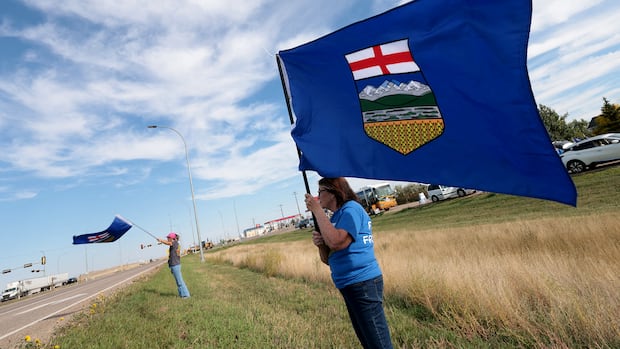
Alberta is rich. So why are so many people frustrated?
Alberta is Canada’s wealthiest province, yet economic frustrations are one of the key factors fuelling the separation debate. For The National, CBC’s Ina Sidhu breaks down how the resource-rich province ended up here and what independence could mean for its economy.Potential impact of lingering separatist sentiment
Charles St-Arnaud, chief economist with Alberta-based Servus Credit Union, agrees that with the immediate uncertainty lifted, things will get back to “business as usual” for any investors who had been taking a wait-and-see approach ahead of the vote.
But separatists have vowed to keep fighting for an independent Alberta despite the result. And with some 25 per cent still in favour of holding a binding vote on whether to leave the country, St-Arnaud says the referendum may not be the last word on separation, meaning the drag on businesses could persist.
“The problem is … how does it distract the business community and policymakers and the government in terms of thinking about putting the right policies, right decisions in place?” St-Arnaud said.
St-Arnaud, who lived in Montreal during the 1995 Quebec referendum, says questions of independence persisted in that province and weighed on business activity for years following that province’s independence vote. He says whether the separatist conversation in Alberta has an impact on investment going forward will depend on whether it remains part of mainstream politics.
WATCH | Alberta separatism campaigner says referendum ‘started the dialogue’: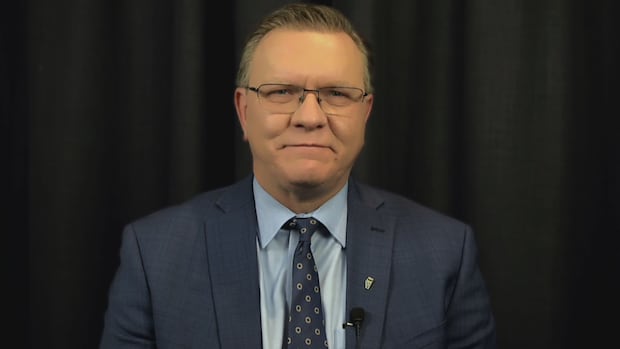
‘We’ve started the dialogue,’ Alberta separatist campaigner says of referendum
For those firmly in the secession camp of the Alberta referendum, there are many reasons to select Option 2, but few are more important than sending Ottawa a message. Power & Politics speaks with constitutional lawyer Keith Wilson, co-leader of the grassroots separatist political movement Let Alberta Decide and the Alberta Transition Council.
Canadian Chamber of Commerce president and CEO Candace Laing acknowledged the concerns of separatists, which she said need to be addressed in order to build a strong and united Canadian economy going forward.
“Alberta is central to economic security and opportunity in Canada and we must now turn our attention squarely to the needed work to collaboratively build a stronger, resilient, united economy from coast to coast to coast,” Laing said.
But with Albertans “clearly” deciding to remain in Canada, by Laing’s read of the vote, she was optimistic that the result would be taken as a positive sign by business leaders and investors alike.
“Businesses, workers and communities can feel more confident with this result,” Laing said. “Let’s move forward, stronger together.”