
The next person to take the mayor’s chair at the head of Ottawa city council will have a certain approach to leadership and have to take a position on some fraught files.
What would be their approach if a data centre were pitched within city limits? Should city funding go into a new home for the Ottawa Senators at LeBreton Flats?
CBC Ottawa sent all 14 candidates running for mayor a questionnaire asking them for their positions on some of the city’s biggest issues and how they would approach leading this city.
Eight responded, answering questions on topics ranging from police budgets, responding to encampments and accepting developer donations.
Here’s some of what they had to say.
Public drug use and encampments
Voters have told CBC News that homelessness and public drug use are a big worry this election — especially in downtown wards like Somerset and Rideau-Vanier.
Candidates were asked to choose whether more enforcement or more social supports were the best way for the city to respond to public drug use and encampments.
All of the mayoral candidates who responded said more social supports, but both Lawson and Sutcliffe declined to answer and provided their reasoning.
Lawson said it’s not an either-or situation, and he’d want to see more enforcement to crack down on drug dealers and a full review of the shelter system.
Sutcliffe said addressing public drug use and encampments is an incredibly complex problem, and the city would need both enforcements and social support, not one or the other.
Ottawa police budget 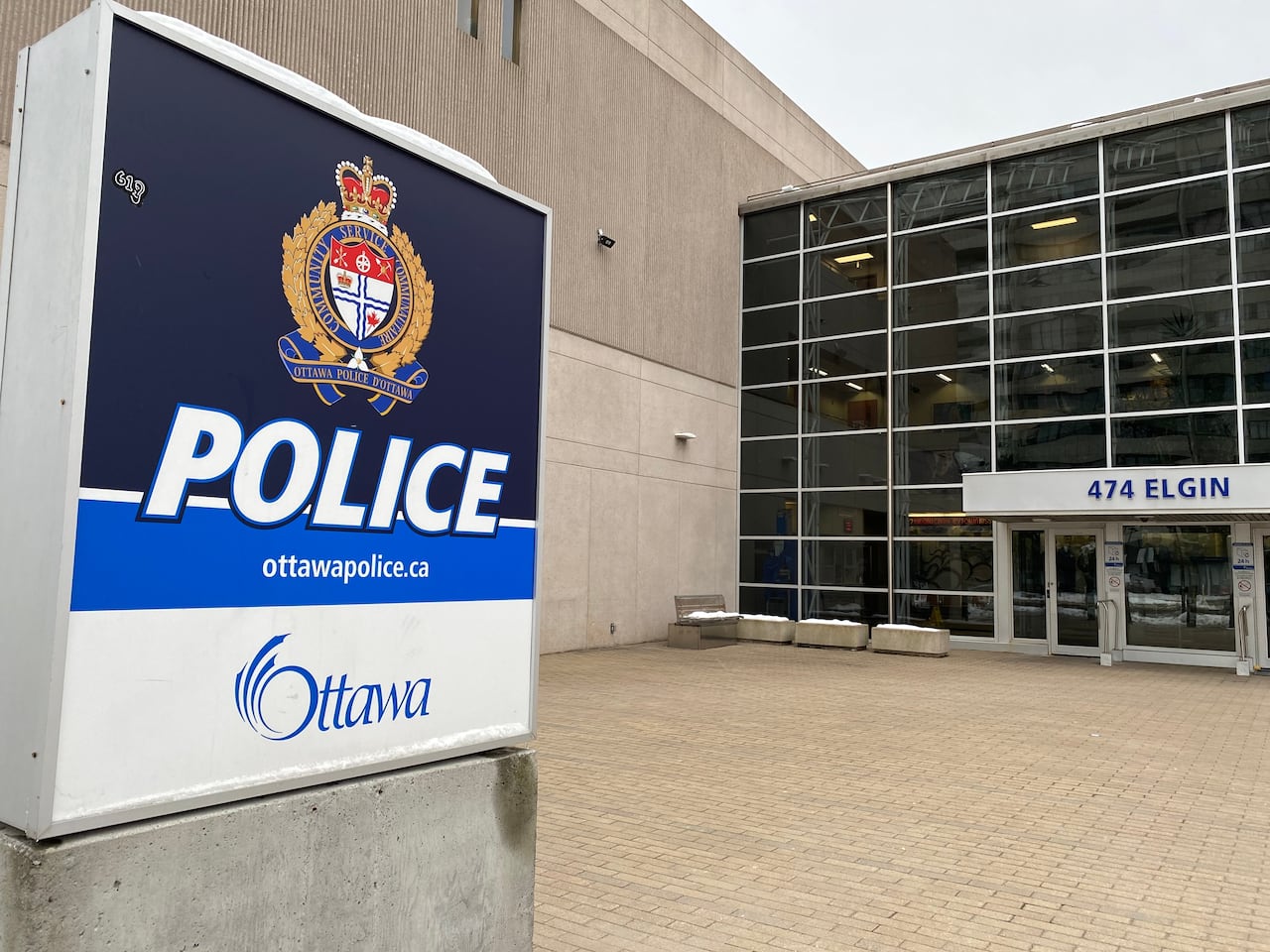
Council discussions around increasing the Ottawa Police Service budget have become heated over the years. (Joseph Tunney/CBC)
City council doesn’t get to direct how the Ottawa Police Service operates. It has its own board and many decisions fall to the chief.
That said, council can set a budget increase for the board to hit each year, and there have been heated debates about it over the years. The 2026 police budget is more than $400 million but it’s already facing shortfalls on staffing and overtime.
Lawson and Sutcliffe both said the Ottawa Police Service budget should be increased, with Sutcliffe saying he’s increased the budget over the past four years as mayor and he plans to continue that investment.
Lawson went on to say he’d want to double the minimum number of on-duty police officers over the next four years and ensure police have the resources to investigate fraud and hate crimes.
Leiper said the current police budget is appropriate, and he’d want to expand the ANCHOR crisis response program and tie its future growth to increases in the police budget.
Saravanamuttoo didn’t answer the question, saying he would determine whether the budget is appropriate or not after a line-by-line review.
Shayvard and Harish both said the budget should be increased, though Shayvard said he wants to focus on making better use of existing resources and officers.
Westaway was the only candidate to say the budget should be decreased.
Rachlis said he would want to consult with experts and the community before deciding, and Bakshi said she would want to maintain strong funding while improving accountability.
Data centres
Data centres are also expected to be an issue on the city council’s agenda in the near future.
The Ontario government released its data centre “playbook” in August, and Ottawa city council soon followed with a motion to have city staff draw up a framework to assess data centres on their size and potential impact. The report is expected to be ready for council approval by next year.
We asked candidates if data centres should generally be permitted or opposed.
Leiper, Sutcliffe and Saravanamuttoo said they should generally be opposed, and Lawson said they should generally be permitted.
Leiper and Saravanamuttoo both said they would want to introduce a moratorium on data centres until more information on their environmental, infrastructure and electricity impacts are determined.
Sutcliffe said he’d like to see a comprehensive strategy to manage data centre applications rather than blanket permissions or blanket bans.
Lawson did not provide more explanation on his response.
Shayvard was the only other candidate to say data centres should generally be opposed, and the rest of the candidates said they should generally be permitted.
Developer donations 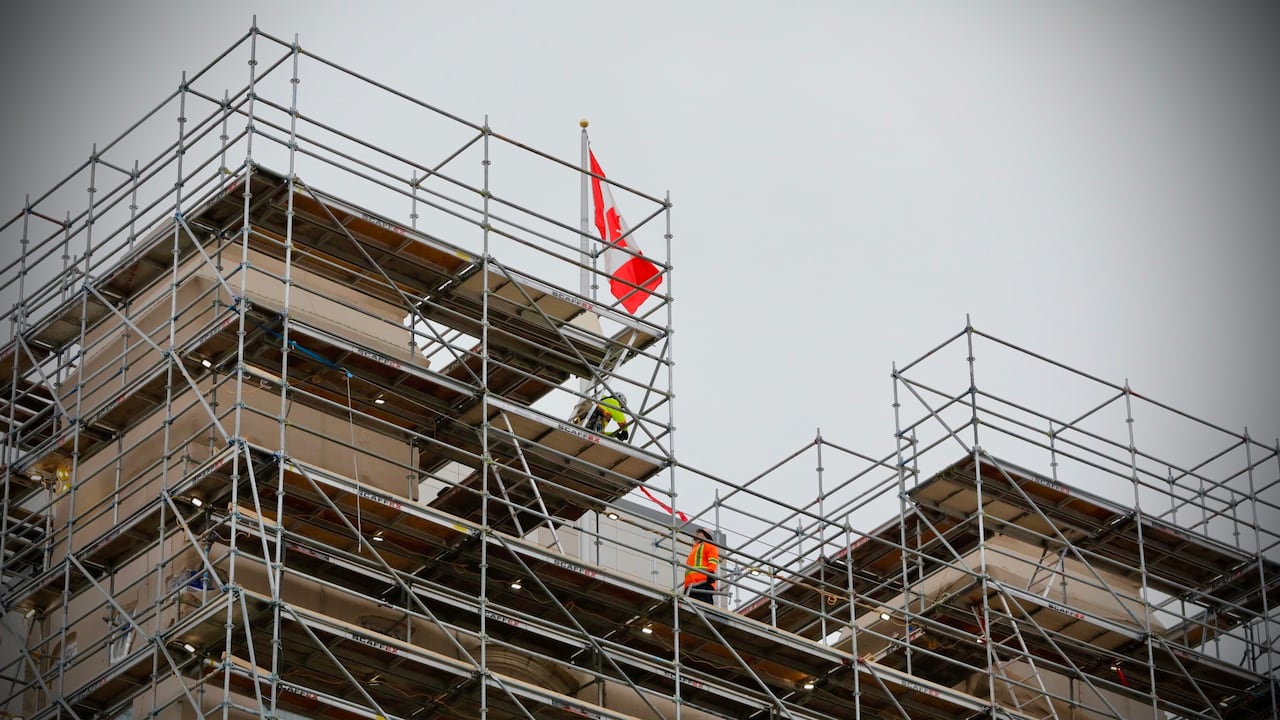
Some municipal candidates have faced criticism in the past for accepting campaign donations from people who work in the development and construction industry. (Christian Patry/CBC)
In the municipal election, individuals can contribute a maximum of $1,200 per candidate and $5,000 total to all candidates in the election.
In the past, some Ottawa councillors have faced criticism for taking that top amount from people who work in the development and construction industry, a sector that works with the city for approvals they need on projects.
When asked if they would accept campaign donations from the development and construction industry, eight of the respondents said no, including Sutcliffe, Leiper and Saravanamuttoo.
Alex Lawson was the only candidate to say yes.
Candidates are required to submit a financial statement from their 2026 municipal election campaign by March 30, 2027, which the City of Ottawa then makes publicly available.
Some candidates also choose to publish their donor lists throughout the campaign, although that hasn’t happened this time.
Strong mayor powers
The Ford government has given more than 200 Ontario mayors powers to veto some council decisions and direct staff. In some smaller municipalities, those powers have led to worries this election, because strong mayor powers also allow a mayor to hire top departmental staff and reorganize a municipality’s structure.
Jeff Leiper and Mark Sutcliffe both said they would not use strong mayor powers if elected. Sutcliffe said he’s never used strong mayor power during his time as mayor, and Leiper said the mayor’s job is to bring voices together, not sidestep council when there’s a disagreement.
On the other hand, Alex Lawson and Neil Saravanamuttoo both said yes, with Saravanamuttoo explaining he would use strong mayor powers to staff senior roles in the city, not to override city council decisions. Lawson said it’s not something he could reach for easily, but is an option if necessary.
Queen Divine Priya Amber Bakshi said she would use strong mayor powers if necessary, and Suraj Harish said he wouldn’t.
Ali Shayvard, Peter Westaway and Josh Rachlis all said maybe.
New NHL arena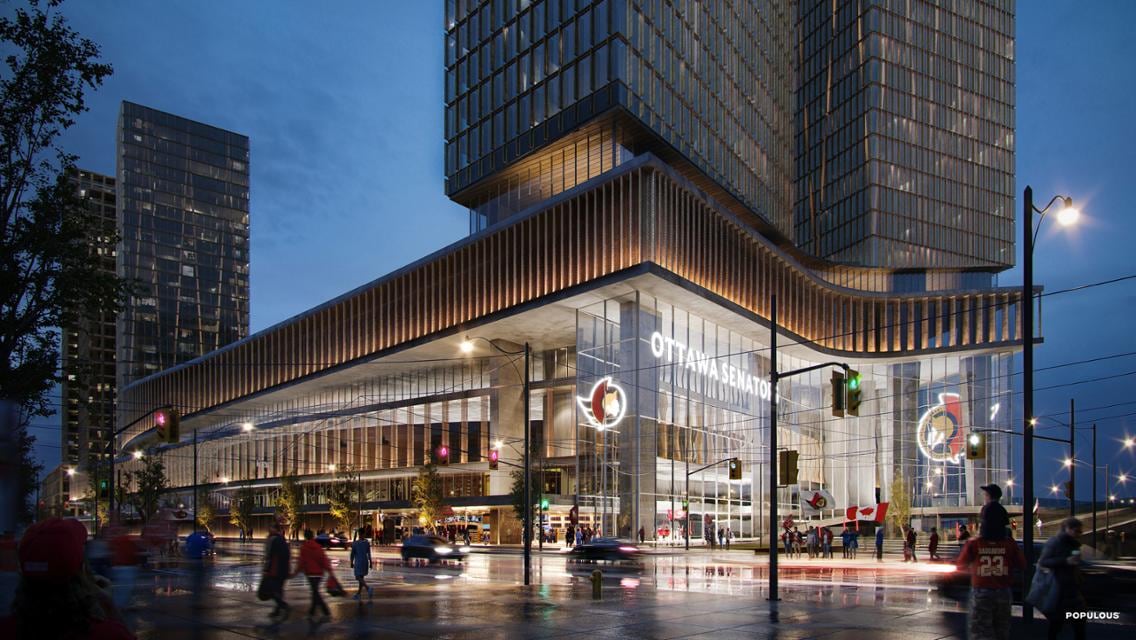
The Senators and NCC reached a deal in August 2025 on the purchase and sale of about 4.5 hectares of land at LeBreton Flats. (Capital Sports Development Inc.)
Every mayoral candidate who answered CBC Ottawa’s questionnaire said they did not think the City of Ottawa should contribute funding to build a new proposed NHL arena at LeBreton Flats.
The Ottawa Senators and the National Capital Commission reached a deal in August 2025 on the purchase and sale of about 4.5 hectares of land at LeBreton Flats for a proposed major events centre, arena and mixed-use development.
In other cities, municipalities have sometimes contributed hundreds of millions toward the projects.