
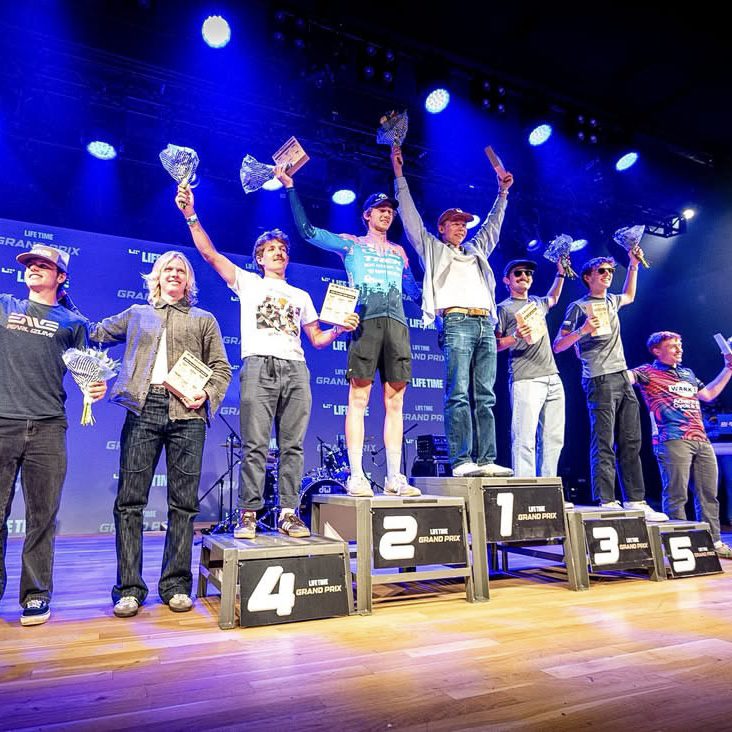
When it comes to preparing for races at high elevations, and with high volumes of elevation gain, Oskar Stack-Michasiw’s Saskatoon home might not jump out as the ideal training ground. The young Canadian, who just won the under-23 overall at Life Time Grand Prix through remarkably consistent results at races like Leadville, Unbound and Sea Otter, disagrees.
Training for mountain races on mole hills, or no hills at all
“I’m not of the belief that, to be good at climbing, you actually need to be getting meters in during training. I think the training effect that you can achieve in Saskatchewan is amazing, Stack-Michasiw argues.
How does riding pancake-flat backroads prepare you for races with 3,000+ metres of elevation gain?
“There’s no coasting,” Stack-Michasiw explains of riding in his home province. “It takes a while to get used to but, once you do, the training effect is amazing. It’s just so consistent. So I don’t find that when I’m at home training for a three week block and heading to a race with a ton of climbing that I’m having a hard time with the elevation.”
On top of training on home roads, Stack-Michasiw has relied on a combination of an early-season training camp in Spain and, before races at altitude, like Leadville, spending time in an altitude tent in the weeks before the race. But one early-season training climbing training camp only goes so far in a seven-month series like Life Time. The bulk of his preparing has been on home roads.
For Stack-Michasiw, racing on two wheels started as cross training for winters spent on ice speed skating. A coach at the Saskatchewan Cycling Association was recruiting speed skaters, including Stack-Michasiw, who soon found he was having more fun, and more success on the mountain bike and, later, gravel bike.
The LTGP winner says Saskatchewan’s gravel is underrated.
“It’s actually incredible. We have unlimited grid roads so it’s pretty flat and can be boring, but you can go wherever you want and there’s almost no cars out there. Like, you can go in a straight line for 500km if you want,” says Stack-Michasiw. “And the scene’s good, there’s a lot of people into gravel right now.”
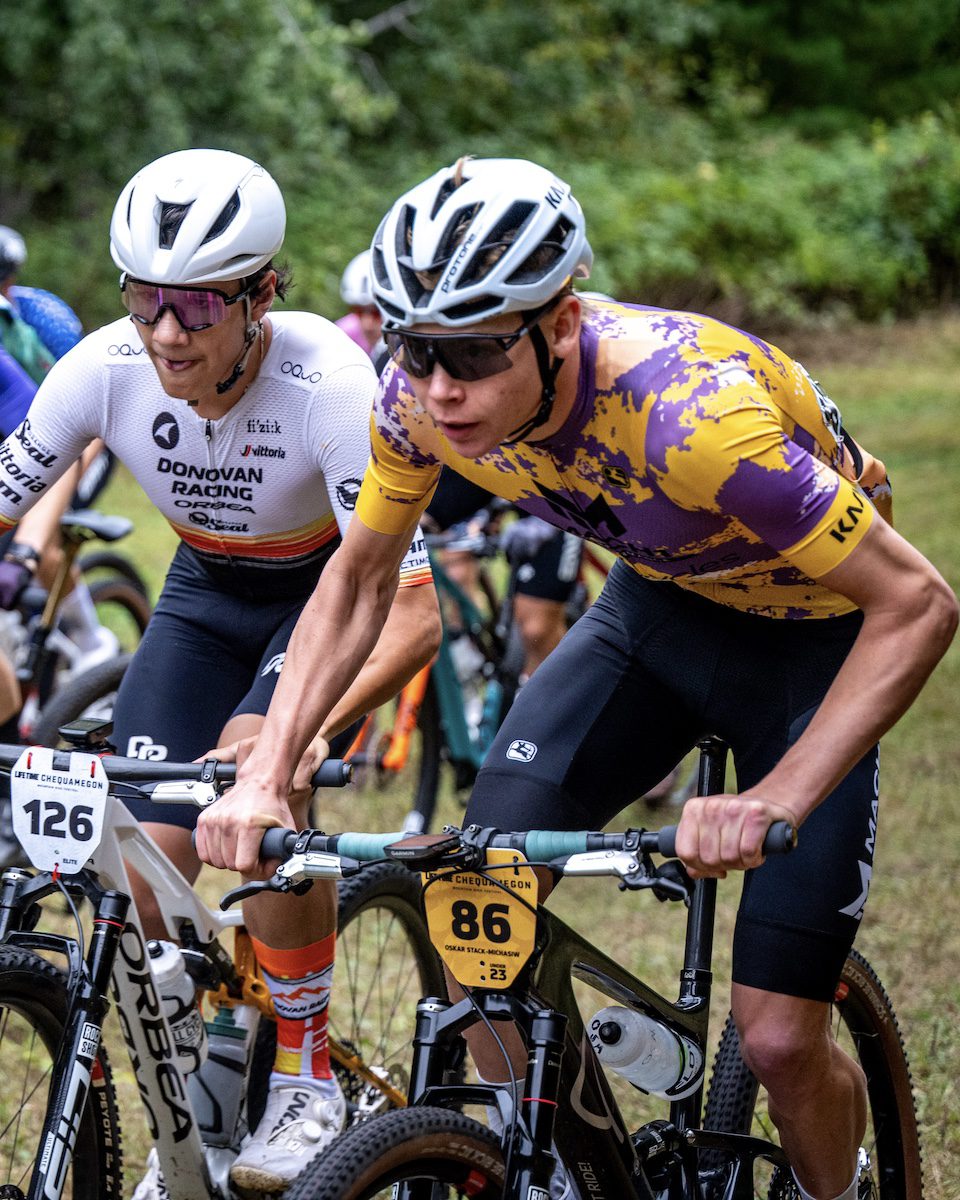 Stack-Michasiw at Chequamegon. Photo: Dan Hughes / Life Time Grand Prix
Race within the race at North America’s highest-profile gravel scene
From empty rural roads, Stack-Michasiw’s spent the last two seasons racing at some of North America’s biggest and most iconic gravel and mountain bike races. While he’s spent the last two seasons racing for the under-23 overall title, those riders start with the larger elite field. That dynamic, made a little more urgent by the hectic nature of gravel race starts, makes for interesting tactics. How does the Canadian manage a start line where there are so many riders with different goals?
“That’s actually a good question, and it’s something I think about often,” Stack-Michasiw says. “The philosophy I’ve landed on is to try make the best selection that I can in the race, to stick with the group as long as I can and not think about the U23 at all. Just race for the best elite I can.”
This year, Stack-Michasiw says that an increasingly competitive under-23 field has mostly found themselves racing each other almost by accident.
“I’m never trying to do that, but a lot of the time we just all end up together in the same group,” Stack-Michasiw explains. “At that point, it is a little more strategic.”
Like in Leadville, where he finished on the same time as fellow U23 LTGP rider, Elliot Thornblade despite the larger elite filed attracted to the iconic high-elevation Colorado classic. The Canadian just edged out the Montana rider for second place, giving him points that would be crucial in the overall points race.
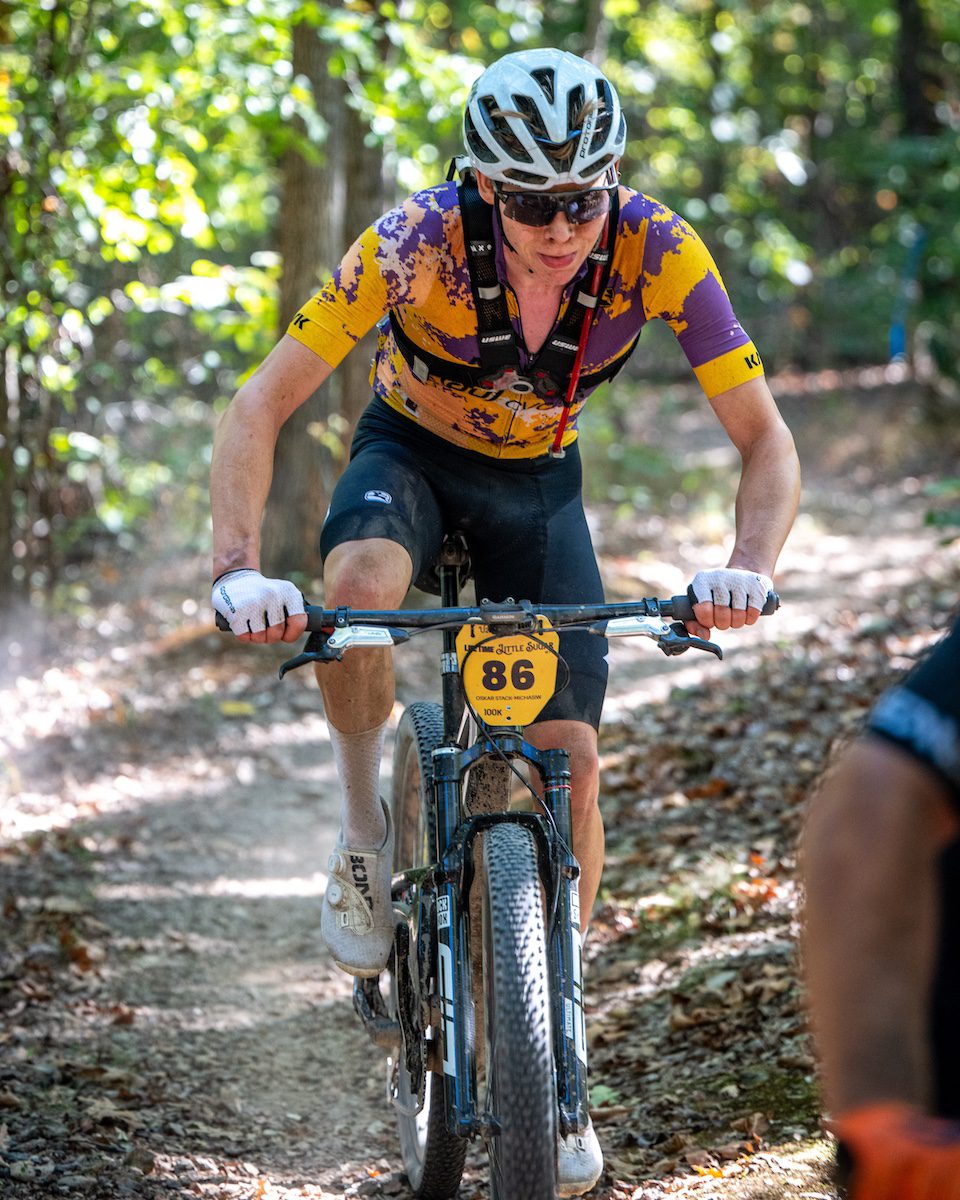 Little Sugar threw an unexpected twist into the Canadian’s overall campaign. Photo: Dan Hughes / Life Time Grand Prix
Winning with consistency, and integrity
The under-23 category is just in its second year at LTGP. Stack-Michasiw, who finished fourth in 2025, says it’s dramatically more competitive in its second year. So close, in fact, that his overall title came down to a tie-breaker with Luke Mosteller. The U.S. rider started the season strong, with under-23 wins at Sea Otter and Unbound. Another at Leadville gave Mosteller an advantage.
But Stack-Michasiw never finished further down the under-23 standings than fifth. A fourth at the finale, and tie-breaking race in Big Sugar over the weekend tipped the season in the Canadian’s favour.
All of that makes Stack-Michasiw’s performance at Little Sugar, the penultimate race in the series, all the more impressive. The Canadian found himself with another U23 rider and riding well. He crossed the finish line in third but, when looking at his ride, the distance seemed off. The pair had missed a turn and cut out two kilometres of the course.
“It was really poorly marked, like, so many people went wrong there,” Stack-Michasiw recalls. “That said, a lot of people went the right way. So obviously it wasn’t impossible to find the way.”
The Canadian talked with his fellow under-23 and decided to come forward to the organisers with the mistake.
“I thought the best thing to do was to be honest. I would want my competition to do the same,” Stack-Michasiw says.
The result was a five-minute penalty, based off of average race speed applied to the distance that the two riders missed. That bumped the Canadian from third to fifth on the day, his lowest result of the year. With the LTGP series allowing two drop-races, taking only a rider’s top four of six results, Stack-Michasiw still left little sugar in the overall lead going into the final weekend at Big Sugar.
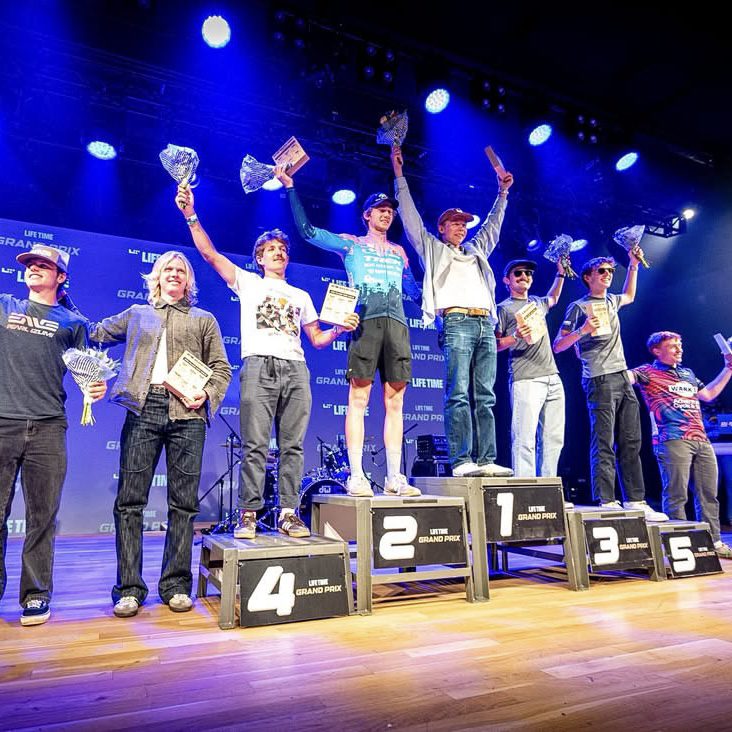 After fourth in 2025, Oskar Stack-Michasiw wins the 2026 under-23 Life Time Grand Prix title. Photo: Dan Hughes / Life Time Grand Prix
Big goals, a bigger year to come
The standings after Little Sugar put a major goal within Stack-Michasiw reach.
“When I finished last year fourth in the overall, right after that I said to myself, I actually wrote it down, that my goal for 2026 was to win the under-23 overall,” Stack-Michasiw says. “I knew it was a big goal, and it really didn’t look like it was going to happen at first because Mosteller was so strong. But I was a little more consistent.”
At Big Sugar, Stack-Michasiw was fourth. Mosteller finished eighth. The series win goes to the Canadian. It’s not only an accomplishment that caps off the 2026 season. The win comes with automatic entry to the entire 2027 Life Time Grand Prix elite field.
“That means a lot,” Stack-Michasiw says. “I’m still under-23 next year, but I’ve accepted the offer to age-up early into the elite series. On the one hand, that’s kind of scary. But on the other hand, it’s really exciting. I think I’m already doing everything I can to be the best and fastest I can be, but I want to try and take it to the next level.”
The Canadian knows that the move to elites means going up against a stacked field that is also increasingly competitive and professionalized as LTGP gets more established every season. Like the under-23’s, the elite field came down to positions on the final race of the year to decide the winner with four riders still in contention for the overall. With that in mind, the Canadian is more open in his approach to next season.
“I honestly don’t know what to expect for next year. I’ve seen some pretty good progression over the past couple of years, and I hope it just keeps going,” Stack-Michasiw says. “But I think, for next year, I’m not putting too much pressure on myself.”
The entry into an increasingly exclusive and high-profile series also comes with attention from potential sponsors.