

Listen to this article
Estimated 2 minutes
The audio version of this article is generated by AI-based technology. Mispronunciations can occur. We are working with our partners to continually review and improve the results.
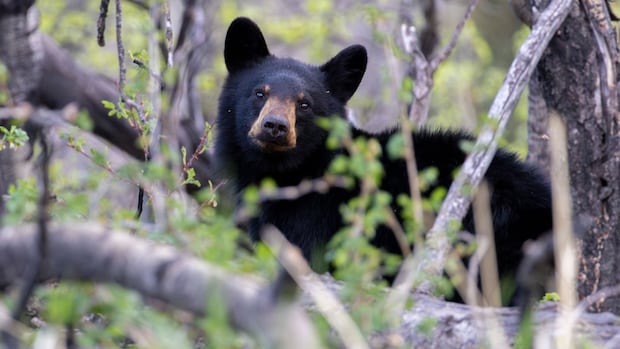
Yukon conservation officers killed seven bears across the territory in the first three weeks of October, with all but one of them having shown food-conditioned behaviour after getting into garbages.
Four of the cases happened in the Whitehorse region, according to data from the environment department. Those include in the city’s Crestview neighbourhood, near the Carcross cutoff and around the Pilot Mountain subdivision. There was also one case each in the Carmacks and Watson Lake areas.
The lone bear that wasn’t food-conditioned “demonstrated food seeking behaviour causing damage to property” in the North Alaska Highway area around Haines Junction, department spokesperson Linea Volkering said in an email.
TJ Grantham, the deputy chief of field operations with Yukon Conservation Officer Services, said bears that get the opportunity to access high-calorie food sources like garbage or compost scraps “become very motivated to continue accessing it.”
Adding to the issue this year, he said, is the fact that there was a very low berry crop across most of southwest Yukon, which is pushing bears to find other food sources as they get ready for the winter.
“Obviously, killing any animals is always a last resort,” Grantham said. “Reducing and managing attractants is always the first line of prevention.”
Bears that get used to human sources of food can lose their fear of people, homes and vehicles, according to the department, and become aggressive in trying to get more of it. That can lead to public safety issues.
Conservation officers are still getting reports of bear activity this time of year, Grantham said, which means Yukoners need to remain “bear-aware.” That, he said, includes ensuring things like outdoor garbage bins, compost piles and chicken coops are properly secured. He also encouraged anyone who sees a bear showing concerning behaviour to report it immediately.
The sooner conservation officers can respond to a bear, Grantham explained, the higher the chance they can use non-lethal deterrents and hazing methods to prevent it from getting food-habituated, and preventing the situation from escalating.