
A small whine can be heard as the firework you have just spent a week’s wages on pathetically struggles to gain flight, reaching a height barely above five metres before the promised explosion realises into more of a wet fart with sparks than the ‘Mega Dragon Super Firework’ blast you were promised on the box.
You stare at the packaging, then back at the feeble puff of smoke, disappointed that it has left as much of a bad taste as the cheated expectation.
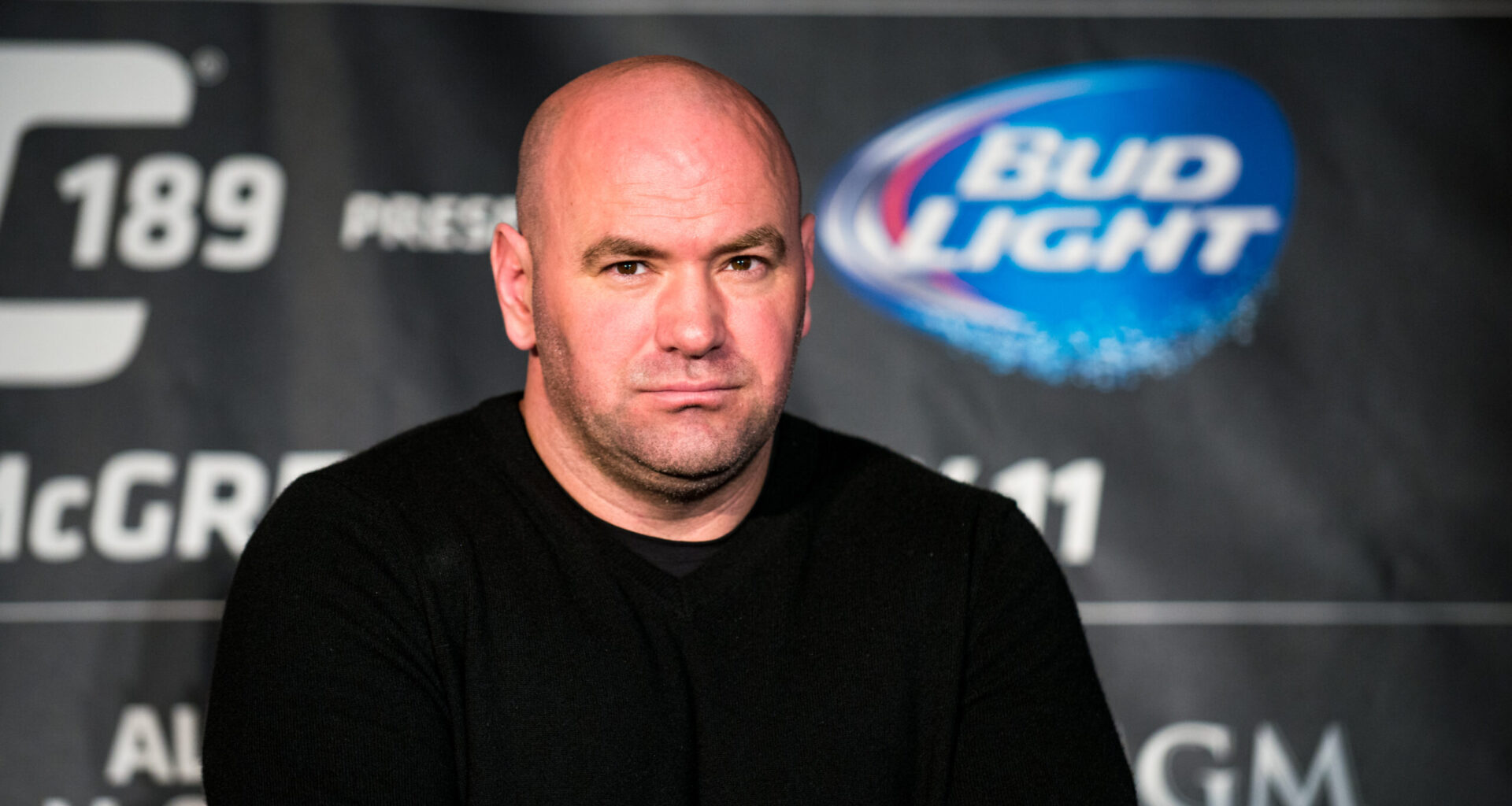
Much the same is the story of Zuffa Boxing. UFC head honcho Dana White’s overpromised and underdelivered boxing promotion, backed by Saudi financial firepower, has struggled to live up to its grand ambitions in its first year.
Compounded by the departure of Shakur Stevenson this week after a flightless stint with the promotion, the question remains: what went wrong, and where do they go from here?
Shakur Stevenson’s departure
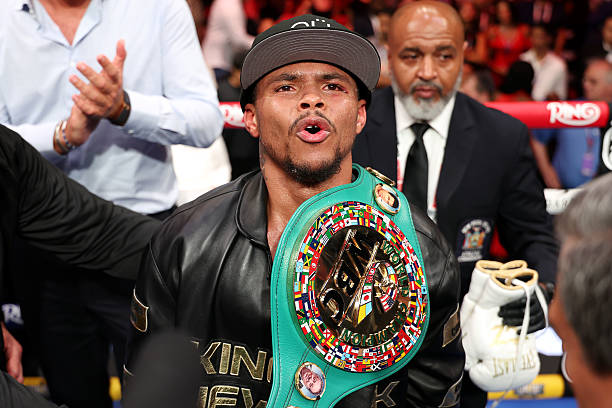
Shakur’s deal when he signed in March of this year was rumoured to be worth $60 million for three fights. A cataclysmic signing, the ripples of which were felt in the bones of the boxing establishment.
Though, as White quickly learned, signing fighters and producing fights are not the same thing. Zuffa failed to find the four-time world champion a single fight under its banner in 2026, leaving the 29-year-old with little option but to cut his losses and seek a release from his contract, reportedly reached by mutual agreement over the weekend.
“I’ve been in camp for like eight weeks, preparing for fights that I was told were going to happen and have not happened,” Stevenson said.
Stevenson says he now plans to defend his WBO light-welterweight world title under his own promotional company.
“I’m taking my career into my own hands and creating my own promotional company, and I’m willing to work with other promoters and anybody else that’s willing to be as serious about my career as I am.”
Chronic lack of moments
Zuffa launched in conjunction with the UFC’s Paramount+ broadcasting deal, scheduling 12 exclusive shows for 2026. So far, 11 have taken place.
Yet many fans are asking: where is the promised hype, and where are the unforgettable events that a promotional powerhouse, backed by someone like Turki Alalshikh, should be able to deliver?
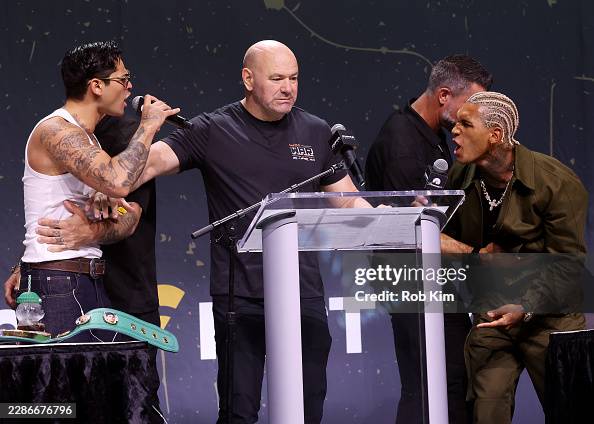
To give credit where credit is due, the signing of Conor Benn and the co-promotion of his highly anticipated bout against Ryan Garcia was a savvy business move that brought eyeballs and threatened competitors, namely Matchroom.
But this co-promoted fight, alongside Ring Magazine and Golden Boy, needed to be a victory for Benn.
Instead, Benn was stopped in the second round, leaving questions over the commercial value of the investment and the future of one of Zuffa’s most significant signings.
Reports of a potential $15 million loss would make the result even more damaging, although the precise financial impact remains unclear.
There has also been a chronic lack of the “holy shit moments” that Dana White himself prides himself on delivering.
With shows struggling to generate the same level of attention as boxing’s biggest nights, headliners like Johnny Fisher may bring a loyal and cultish fan base, but the promotion still lacks a consistent roster of superstar, Premier League-level fighters.
White surely can see this, hence his reported determination to be involved in the Fury vs AJ showdown, hoping to claw back some relevance and kudos in the boxing world.
However, Eddie Hearn’s role in the event’s promotional arrangements has raised questions over whether White will have the influence he wants.
A firm counterblow following the Benn saga.
Why is it failing, and where do they go from here?
“Boxing will be better off without Dana White,” said Oscar De La Hoya.
“Trying to monopolise boxing the way he did with the UFC is not going to fly with anybody. You are not going to erase the history and the titles that fighters want to fight for like he did with the UFC.”
Zuffa Boxing’s problem is that Dana White is trying to impose the UFC’s model on a sport that operates by different rules. Boxing’s fragmented promotional landscape, divided world titles and fiercely independent fighters make centralised control far harder to achieve.
Signing elite talent means little if the fights cannot be made, while a calendar of forgettable events cannot sustain the hype of a revolution.
Zuffa has the money, the platform and the ambition, but it has yet to prove it can deliver the product. The UFC model thrives on control; boxing thrives on negotiations between people who all have their own interests to protect.
White’s challenge is to find a way to make those interests work together rather than assuming they can be swept aside.
Until he learns to work with boxing rather than reshape it entirely, his revolution risks fizzling out, leaving behind little more than a brief flash, a disappointing puff of smoke, and a very expensive firework.

Ollie Grogan is a London based Sport Journalist specialising in Boxing, MMA and grassroots combat sports. Drawing from a background as a Muay Thai fighter and years of experience competing, he brings a fighter’s perspective to his writing – exploring sport through a lens of culture and performance with a focus on multi-media storytelling. He also reports on both Premier League and EFL football and is an avid Oldham Athletic supporter.