


Listen to this article
Estimated 4 minutes
The audio version of this article is generated by AI-based technology. Mispronunciations can occur. We are working with our partners to continually review and improve the results.
A Winnipeg pharmacist has been fined after she dispensed an incorrectly high dose of an antipsychotic medication for a patient, sending them to hospital.
The pharmacist has been fined $3,500 and must pay another $5,000 in investigation costs, the College of Pharmacists of Manitoba ordered in a written disciplinary decision, dated Oct. 8.
She pleaded guilty to professional misconduct during a July 14 hearing. The decision is still subject to a 30-day appeal period.
The incident occurred in 2025 at a Shoppers Drug Mart on Marion Street, where the pharmacist was working at the time, the written decision said.
The pharmacy had received a patient’s prescription for aripiprazole, an antipsychotic drug which can be used to treat many different symptoms or medical conditions.
The patient had a history with the medication, first being prescribed aripiprazole in 2023 and then again in February 2025, when a dosage of one milligram per day was prescripted. That was increased to two milligrams a day in March 2025, and was filled by the pharmacy at that dose monthly until August.
Identifying details about the patient are redacted in the decision.
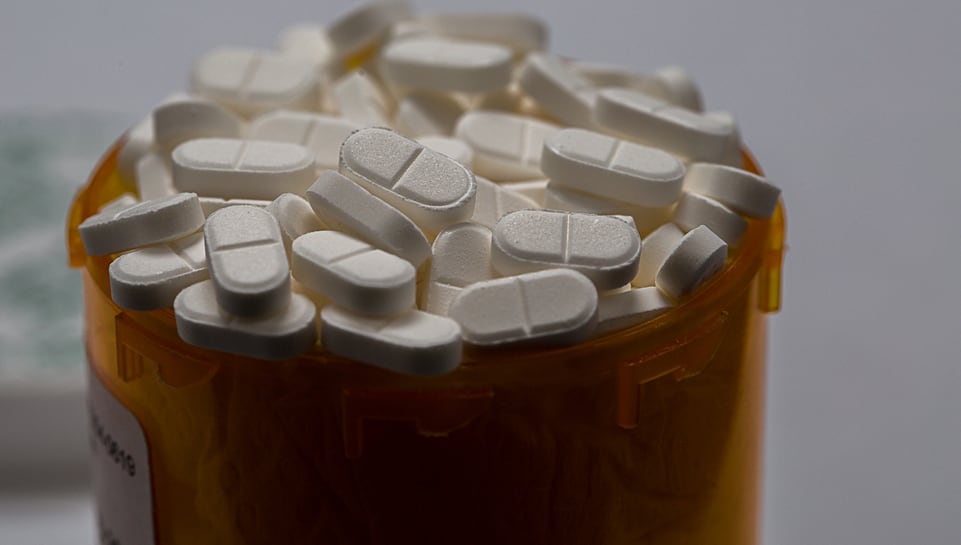
The pharmacy received the patient’s prescription for a two-milligram per day dosage of aripiprazole, but the pharmacist dispensed a 20-milligram dose. (David Donnelly/CBC)
On Aug. 12, 2025, the pharmacy received the patient’s prescription for the same two-milligram per day dosage, but a pharmacy assistant mistakenly entered 20 milligrams as the dose.
The pharmacist did not notice the typo and “admitted that she did not scrutinize the drug utilization review or transaction notes appearing on the patient’s prescription order,” according to the decision.
“Had she done so, she would have seen that there were drug interactions relevant to the aripiprazole prescription and another medication … and that the dosage had been changed significantly from previous fills,” the decision said.
The patient said they did not receive any counselling with respect to their prescriptions, but the pharmacist stated that she had performed counselling on the order.
She did not, however, confirm the age of the patient, the decision said. The pharmacist mistakenly thought that an adult with the patient, a family friend, was the person who had been prescribed the aripiprazole.
It is fortunate that the harm was not worse.College of Pharmacists of Manitoba
The pharmacy’s manager said during the investigation that the error should have been caught at the counselling step, and that the dose change would have been flagged in the pharmacy’s HealthWatch system.
The pharmacist “failed to correctly identify the patient and failed to identify the dose change and drug therapy problems, despite this information being present and visible on the computer counselling screen,” the decision said.
‘Sequence of failures’
The patient took the first 20-milligram tablet on Aug. 13, 2025, and was excessively drowsy throughout the day, the decision said.
When they took a second 20-milligram dose the next day, the patient became nauseous and vomited up the pill.
That’s when someone close to the patient noticed the pill bottle was labelled at 20 milligrams instead of two milligrams, and contacted poison control. The patient was taken to the hospital and made a full recovery.
The pharmacist’s “sequence of failures to catch the mistake” left the patient at risk of adverse effects from both the drug and from drug interactions, and “ultimately caused the patient’s hospitalization,” the decision said.
“It is fortunate that the harm was not worse.”
The college noted in its decision that the pharmacist did not attempt to minimize her errors or deflect responsibility, and was fully co-operative with the investigation.
“This case is a good example of why proper verification and counselling is vital for safe and effective pharmaceutical practice,” the decision said.
The pharmacist, who got her degree in the United States in 1991, worked as a licensed pharmacist in Ontario before moving to Manitoba in 2023.
She has no prior disciplinary history in Manitoba, but did receive two cautions during her time as a practising pharmacist in Ontario, according to the decision.