
Metro Vancouver plans to raise garbage disposal fees by five per cent annually over five years, prompting calls for an independent review of its industry oversight
The Business Council of B.C. (BCBC) says the brakes need to be put on approval of Metro Vancouver’s long-term solid waste management plan, which will be presented to the outgoing board on Friday.
The reasons are twofold, said Denise Mullen, BCBC’s director of environment, sustainability and Indigenous relations.
First, the regional government is planning, as part of its broader budget, to raise solid waste disposal fees (paid by haulers) by nearly five per cent a year over the next five years. The justification is unclear, Mullen said.
Second, the board that would approve plan is filled with directors not elected in the Oct. 17 municipal elections.
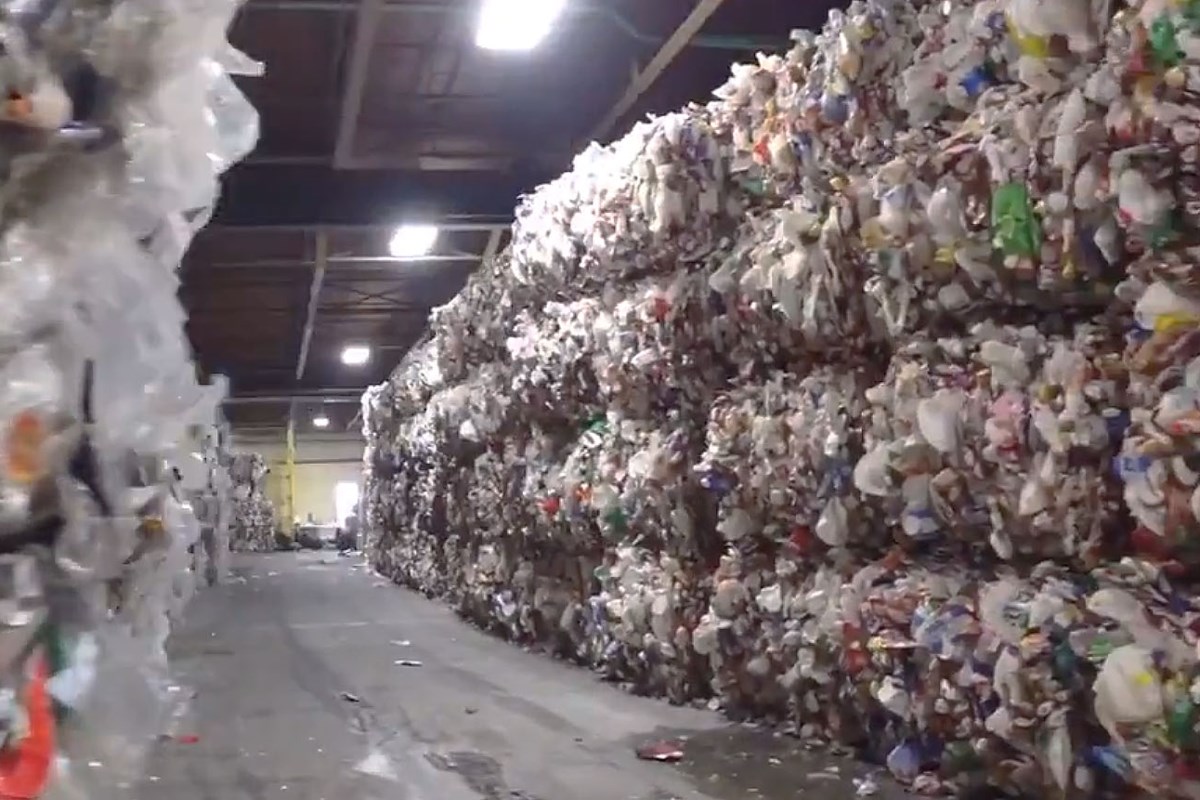
Solid waste is generally thought of as garbage, but it also includes construction and demolition waste, agriculture waste and separated waste such as recyclables and food scraps.
“Metro Vancouver is the planner, regulator, manager and price setter,” Mullen told Business in Vancouver on Thursday.
“Our issue with that is it is roughly two to three percentage points above inflation,” Mullen said, who added she would like to see an independent “value for money” review of the solid waste plan.
“For businesses, those cost increases flow through to services they provide Metro Vancouver residents. It’s a cascading effect,” Mullen said.
At issue is what’s known as a waste generator levy.
In May 2019, the Competition Bureau of Canada said Metro Vancouver’s fee bylaws “could have significant negative effects on competition” and, ultimately, innovation in waste management.
Metro Vancouver operates disposal facilities within its jurisdiction. Private disposal facilities may also operate in nearby areas.
The bureau said at the time that haulers delivering waste to Metro Vancouver facilities were not required to pay the generator levy. But, Metro Vancouver now says that the levy applies to all facilities, even outside the jurisdiction, if the waste originated from the region.
Still, the levy is charged on top of whatever private operator charges for its own service, the council notes.
The council has raised concerns about the levy’s potential impact on the private sector, while Metro Vancouver maintains that the levy would strengthen public service.
“Other communities have demonstrated that a parallel private disposal system would lead to large portions of commercially collected garbage moving out of the public system,” Metro Vancouver states in its report. “This would result in waste bypassing disposal ban programs at public facilities and would have significant financial impacts due to the loss of garbage tipping fee revenues.”
The report also states: “Commercially collected garbage provides approximately 65 per cent of overall tipping fee revenues for the regional solid waste system, or more than $100 million per year. The loss of some of or all of this revenue would require funding the regional solid waste system through (higher) property taxes.”
But Mullen says Metro Vancouver has not fully addressed the bureau’s concerns.
“They do say they have addressed it in words but it’s hard to find the substantiveness of the words.
“There’s conversations around competitive procurement. There is no clarity on how Metro and private disposal companies are treated equally. There’s no independent review, again, and no way of knowing if they have or have not, they just say they have and yet there’s ongoing conflict of roles that they have,” Mullen said.
The only example in its report to the board of Metro Vancouver supporting competition is its use of private contractors to build and operate its own solid waste facilities.
The council says there has never been a “competitive impact analysis.”
“A decision of this scale deserves the fresh mandate and scrutiny of an incoming administration,” the council said in its July 31 submission on the plan.
Among the 14 returning directors of the 41-member board is Coquitlam mayor-elect Craig Hodge, who also sits on the solid waste committee and the industry advisory committee.
Hodge told BIV that the five-year plan is an estimate and that the projected increase above inflation is due to capital investment costs. He noted that two new recycling transfer stations had recently opened.
He added the fees can be adjusted with each annual budget.
“There will be options to review by the board that’s in power at the time,” Hodge said.
“Obviously affordability will be a key concern as the board moves forward,” he said.
Hodge said the plan had gone through numerous committee meetings over the past four-year term and that a consultation process had taken place.
As for postponing the plan approval, Hodge said Friday’s meeting would proceed. However, “there are options for elements of the meeting, whether it’s the budget or this could be postponed. This is the culmination of three to four years of work by the zero waste committee and the board approved the plan last April.
“There’s a lot of work that has been done to get it to the province” for approval, Hodge added.
BIV’s free newsletters cover daily business, real estate, B.C. politics and more. Sign up here for B.C.’s most important business news delivered directly to your inbox.