

Listen to this article
Estimated 4 minutes
The audio version of this article is generated by AI-based technology. Mispronunciations can occur. We are working with our partners to continually review and improve the results.
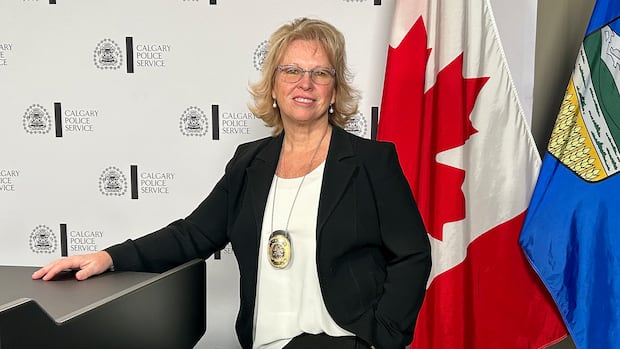
Calgary’s police chief is asking for a sizable jump in the service’s budget over the next four years, pointing out that failing to receive it would put Calgarians at risk and reduce the effectiveness of front-line officers.
Chief Katie McLellan is hoping to hire 309 officers over the next four years on top of the current 2,304 personnel, and an additional 214 civilian employees by 2030.
The proposed annual operating budget would grow from $684.5 million in 2026 to $816.7 million by 2030 — an increase of 19 per cent.
McLellan is also looking for $191.9 million in capital spending over the four-year period, a 73-per-cent increase compared with the previous budget.
“If we could ask for more of a budget increase we would, but we’ve taken a responsible, disciplined approach to ensure we can actually deliver on our ask,” McLellan told a Thursday news conference.
WATCH | Calgary police break down request for significant funding boost: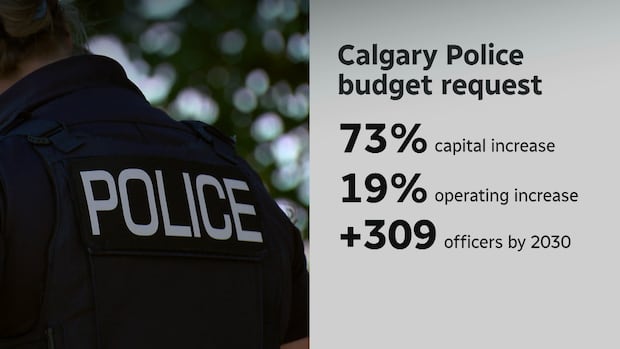
Calgary police defend 73% funding hike request
On Thursday, the Calgary Police Service laid out its argument to councillors for a more than 70-per-cent increase in the next budget cycle. As CBC’s Brendan Coulter explains, CPS says the money would be used in part to hire more officers and upgrade aging facilities.
“We moved forward with only the highest priority positions and line items that would impact public safety.”
The chief said Calgary is already falling behind as it deals with population growth, an increase in shootings, fatal collisions, and more mental health and addiction calls.
“These are not issues we will arrest our way out of,” she said.
McLellan said the increased workload means fewer officers available for low-priority in-person incidents, less community policing and engagement.
“I don’t want to paint a bleak picture, but if this budget proposal is not fully funded there will be major impacts to Calgarians’ safety and perception of safety,” she said.
“Officer response will be limited further than it currently is, which will worsen public safety outcomes.”
She earlier said the job takes a toll on front-line officers. About 13 per cent of officers have been reassigned to different duties within the service while six per cent are not at work at all for reasons including medical leave.
Coun. Dan McLean told CBC News public safety is “the number one issue out there,” with many Calgarians feeling especially concerned about an increase in social disorder.
“The police have been underfunded for decades. We know that,” McLean said. “This is something we have to address, but if we can find some cuts in there — in that capital budget or operating — I’m sure we’re going to put ʼem to task,” McLean said.
WATCH | Here’s what social disorder in downtown Calgary looks like: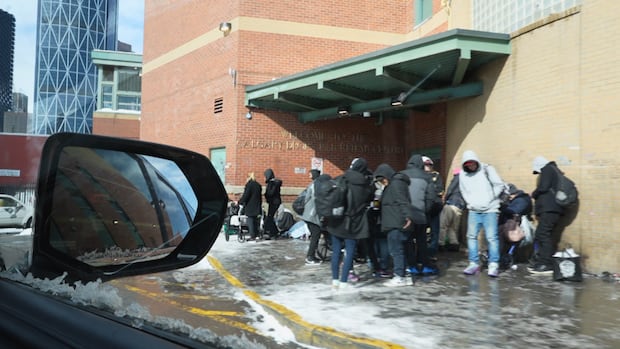
Here’s what social disorder in downtown Calgary looks like
Calgary police say calls about social disorder downtown reached a six-year high by the end of 2025. But how do they define social disorder and how do they address it? To try to answer those questions, CBC News spent a day in a police cruiser with members of the service’s Community Engagement Response Team.
Coun. Jennifer Wyness wants to ensure any approved funding is fully utilized.
Last year, the previous council approved using $28 million from the city’s Fiscal Stability Reserve to make up for a CPS budget shortfall due to the loss of photo radar.
The Calgary Police Commission said Thursday that money was never spent, as it realized it had a higher officer vacancy rate than expected and didn’t end up needing the money to cover costs.
“There still needs to be that accountability on making sure that what they are asking to be spent in our tax from Calgarians in the year is actually spent in the year,” Wyness said.
City council will discuss the budget in coming weeks.
McLellan said the numbers she is asking for would ideally be much higher.
“We probably actually need double the number of police officers we’re asking for, and it’s going to take the service and the city probably two budget cycles to get to where we actually need to be.”