

Listen to this article
Estimated 4 minutes
The audio version of this article is generated by AI-based technology. Mispronunciations can occur. We are working with our partners to continually review and improve the results.
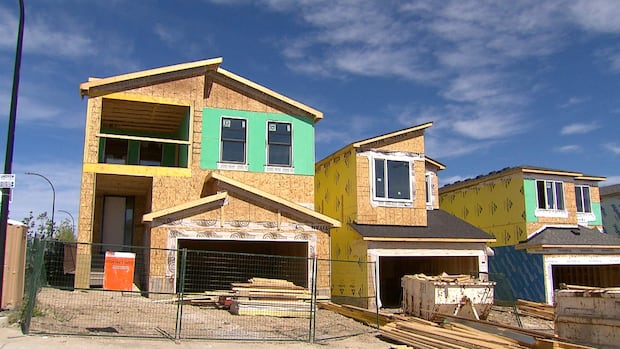
City council approved development plans for three new communities near the outskirts of Calgary earlier this week, which are expected to add close to 4,000 homes to the city’s supply.
Two of the communities are planned for Glacier Ridge in the northwest, while the third is located in Belvedere in the southeast.
While council did not unanimously support the developments, those in favour said the communities will increase housing supply, and the city will eventually have to fund infrastructure in those areas anyway.
“This is the ability for us to recapture some of our existing investment by way of tax revenue,” Coun. Andre Chabot told council on Tuesday.
He added none of the projects will require immediate additional funding in next year’s budget, and have previously been put off.
“There’s money that’s already planned to be spent to upgrade facilities to provide increased capacity to service lands beyond this, and this will just benefit from that already existing capital investment,” he said.
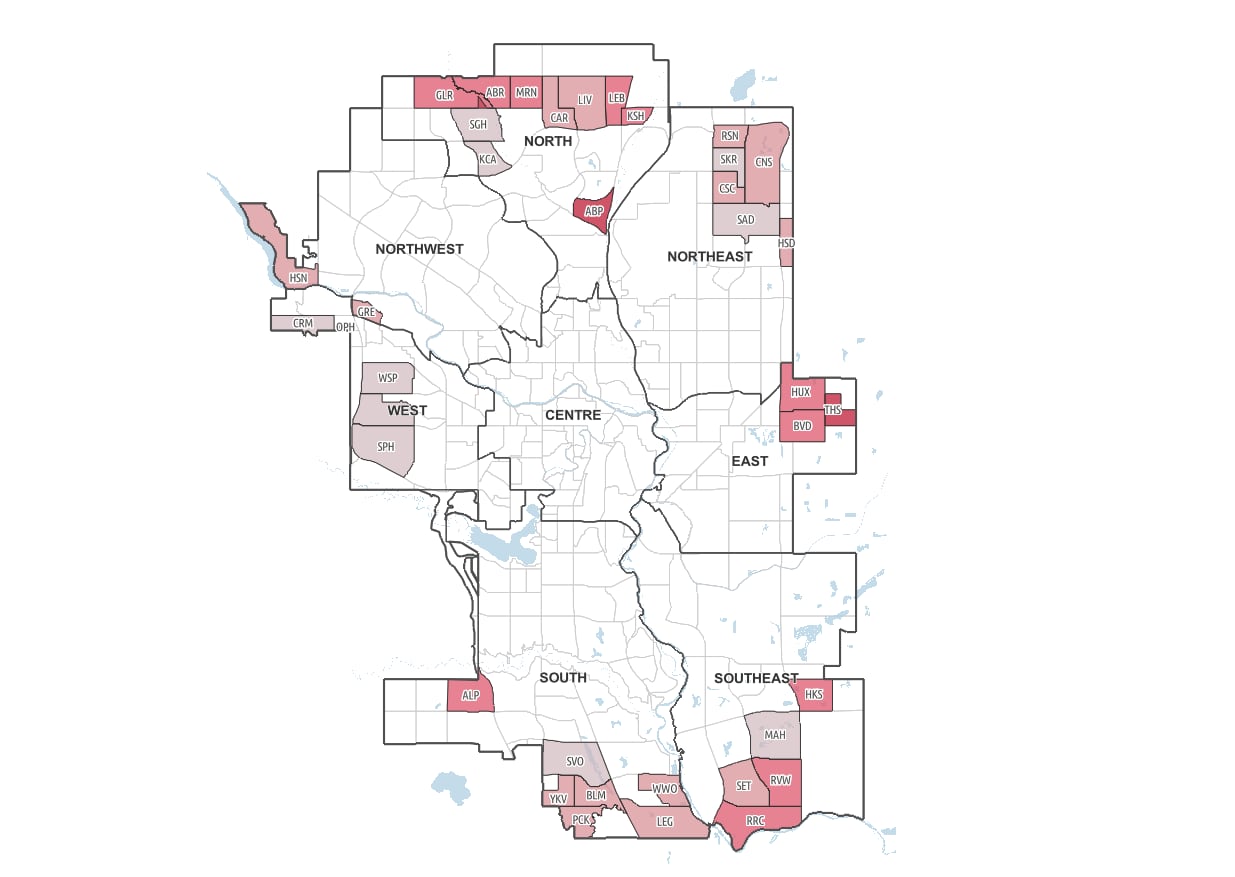
This map illustrates the new communities council has approved in recent years. The latest to be approved are located in the areas labelled ‘GLR’ in the top left and ‘BVD’ on the right. (City of Calgary)
City administration says the communities have the potential to generate close to $100 million in off-site levies, which the city collects from developers to pay for new infrastructure.
Recent provincial legislation, however, has introduced restrictions on how municipalities can collect and spend those levies.
WATCH | New communities aren’t free. Who pays for Calgary’s sprawl?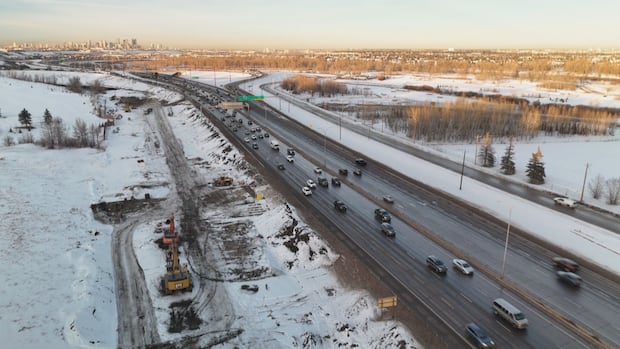
New communities aren’t free. Who pays for Calgary’s sprawl?
Calgary’s population is growing, and new residents need a place to live. The city is known for sprawling communities of single-family homes, which require an extension of public services and infrastructure. But as CBC’s Jo Horwood reports, residents from both developed and new communities could be paying more to continue building out.
Approval of the new communities also contributes to the city’s excess of serviceable land, officials said. Currently, it has seven to nine years of serviced land supply with available infrastructure, more than the recommended target of three to five years.
Housing starts have also dropped by 27 per cent to date in 2026, according to the Canada Mortgage and Housing Corporation, meaning the new communities provide an opportunity for the city to provide more new homes after hitting a record high last year, officials said.
Coun. Jennifer Wyness, who represents the ward where the Glacier Ridge developments are planned, also supported all three communities, saying financial institutions want to see the city has an appetite for funding new developments when considering providing funding or grants.
“If you stop this, you stop the continuation of housing,” she said. “Housing doesn’t begin and end with the vote of council.”
But officials also warned the communities will require more than $450 million in future capital investments. While the city supported approving all three, it also cautioned investing in too many communities at once can result in higher costs, inefficient city services and a delay in return on investment.
Mayor Jeromy Farkas voted against the communities, telling council his vote was a “practical no-vote,” and he found it difficult to promise funds in future budgets without having debated next year’s budget first.
“It’s very difficult for me to go to Calgarians who see their existing infrastructure crumbling … it’s hard for me to go to them and say, ‘hey, your taxes have to go up for things you may not even be able to benefit from,’ let alone for residents who don’t live here today.”
Coun. John Pantazopoulos also voted against two of the three development proposals. He said he would like to see investment focused on established communities rather than increased urban sprawl.
“We have to stop somewhere. We have to put a line in the sand and say slow down,” he told council.
Council has received proposals for another four communities which need immediate investment, including the community of Providence in the southwest which would require an initial capital investment of more than $236 million.
Those developments are set to be debated during budget deliberations in November.