


Listen to this article
Estimated 5 minutes
The audio version of this article is generated by AI-based technology. Mispronunciations can occur. We are working with our partners to continually review and improve the results.
After decades of following the biannual time change, Albertans will get their first taste this weekend of what it’s like to keep clocks the same year-round.
Clocks will not fall back for Albertans Sunday, with the province sticking to daylight time permanently.
It will mean a later sunrise — close to 9:40 a.m. on the shortest day of the year in Calgary and just after 10 a.m. in Fort McMurray.
Already, there have been concerns about what it will mean for digital calendars and bookings, and later openings for ski hills. And, of course, the fact that some western NHL games will shift a bit later in the night.
Alberta is not going it alone. B.C., Manitoba and the Northwest Territories are also scrapping the time change this year, joining Yukon and most of Saskatchewan, which had already done the same. Quebec could abolish the time change next year.
Here’s a look at what will change and what won’t.
Planes, trains and automobiles
WestJet CEO Alexis von Hoensbroech told reporters Thursday he’s happy to see provinces scrapping the time change, and says the airline has prepared for the adjustment.
“We expect that a few [guests] may come an hour late; we hope they don’t,” said von Hoensbroech.
“It’s something that we think we can navigate through and maybe we’ll see a little bit of friction on the weekend and Monday, Tuesday, but it will quickly level out.”
Flair says it’s made some “minor adjustments,” but that customers will still see flight times in local time.
Air Canada says it’s used to operating across various time zones, and said in a statement: “time changes are managed using established industry data sources and incorporated into our flying schedule which is seamless to our customers.”
CPKC says it hasn’t had to make any operational changes to its trains.
Alberta Motor Association senior instructor Divi Matharu says both drivers and pedestrians should stay aware in the darker mornings ahead.
He suggests drivers keep to speed limits, check their blind spots and avoid distractions.
He encourages parents to make sure kids are wearing bright or reflective clothing when they’re heading to school, or give them a flashlight.
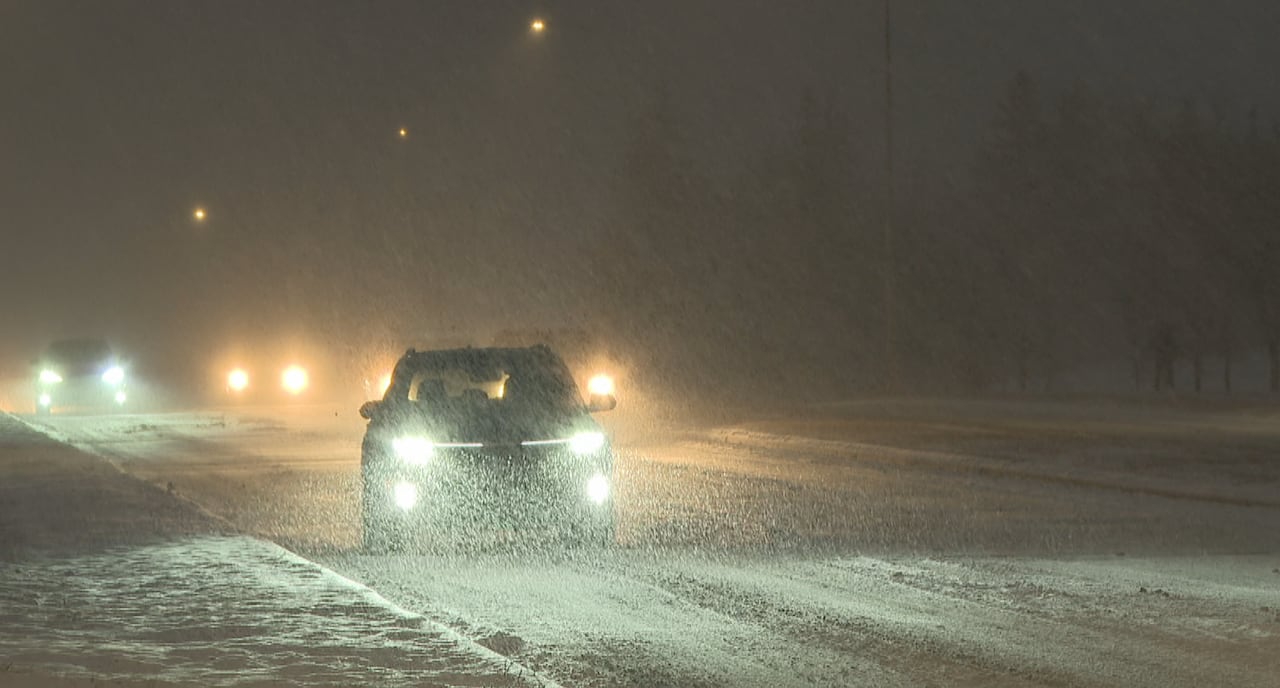
The Alberta Motor Association says drivers will need to be cautious and drive to conditions with mornings staying darker longer through the winter. (CBC)
The City of Calgary says there won’t be any changes to snow-clearing operations.
Ski hills and attractions
The Wilder Institute/Calgary Zoo regularly adjusts its hours of operation in the winter. This year, the zoo will be open 10 a.m. to 5:30 p.m. from Nov. 13 through Feb. 12.
The zoo says it does not expect the lack of a time change to impact its animals, but it will be keeping an eye out.
“As we learn more about the effects of Alberta’s move to permanent DST, our Animal Care, Health & Welfare team will continue to monitor operations and assess whether any adjustments may be needed in the future,” the zoo said in a statement.
All four major ski hills in the Bow Valley are shifting their ski lift start times to 9:30 a.m. Mount Norquay told CBC News it will give staff more time for safety checks and to get ready as the sun rises.
WinSport, which operates Canada Olympic Park in Calgary, is not making any changes. It might be a bit darker on weekend mornings when the hill opens at 9 a.m., a spokesperson said, but they noted that the hill has lights.
Calendar confusion
Those on booking systems like doctors and hairstylists have warned about digital calendars not recognizing the correct time for appointments past Nov. 1.
The University of Alberta says it’s aware of instances where Google Calendar shifted some events by an hour.
Most calendar events should be fixed by Nov. 1 to reflect the accurate time, Google says. It also advises Alberta users that they may see a warning badge on calendar events to flag if the time might need to be moved, and recurring events might still need to be updated.
Microsoft advises users to change their Outlook calendar time zone to the appropriate one, migrate upcoming events to the new time zone, and double-check their meeting times are correct.
Your internal clock
Dr. Michael Antle, psychology professor at the University of Calgary, is an expert when it comes to the body’s internal clock.
“Humans as a species like to wake up around dawn,” he said. “Some people will find it harder and harder to wake up in the mornings to get to school and get to work.”
He’s also looked at studies where people with a later sunrise are more likely to have higher rates of obesity and heart disease.
Antle would have preferred Alberta went with permanent standard time, with an earlier start to the day, given how north our cities are and how short our winter days can already be.
Other places like Russia have tried out permanent daylight time before abandoning it, Antle says, and he hopes Alberta will come to the same conclusion.