

Listen to this article
Estimated 4 minutes
The audio version of this article is generated by AI-based technology. Mispronunciations can occur. We are working with our partners to continually review and improve the results.
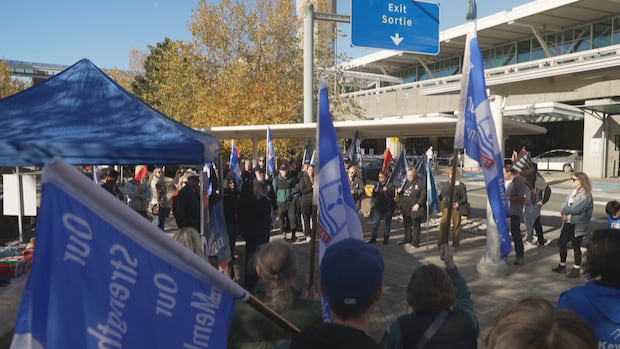
Unionized public sector workers rallied at the Vancouver International Airport (YVR) on Saturday against federal plans to privatize the operation of the facility.
Members of the Public Service Alliance of Canada say the plan will cost both workers and travellers.
“We want to know why,” said Barry Tchir, national president of the Union of Canadian Transportation Employees.
“YVR works. Other airports work. They run efficiently. They make profit that goes back into the community and back into the infrastructure of the building and maintains the areas. Why are we risking all of this?”
WATCH | Ottawa seeks private investment in 4 Canadian airports: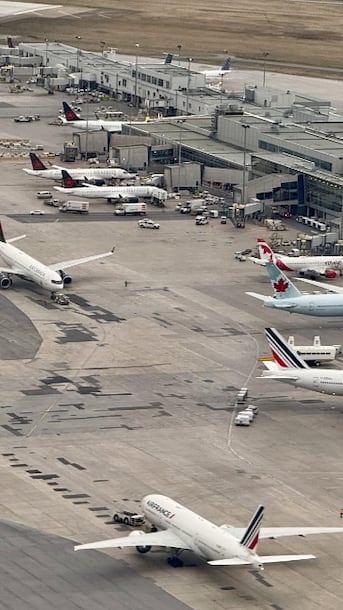
Canada seeking private investment at 4 airports: Carney
Prime Minister Mark Carney announced in September that the country’s four largest airports would be opened to private investment.
Under the proposal, Canada would maintain ownership of land and assets, while private investors would operate the facilities through “long-term concessions.”
Carney said the plan will generate revenue while freeing up the government to invest billions of dollars in smaller regional airports and other infrastructure projects.
YVR currently functions as a non-profit organization that pays a long-term ground lease to the federal government. The airport’s 2025 financial statements list the cost of the ground lease at nearly $78 million last year.
Tchir, a 20-year YVR employee, said Ottawa hasn’t been transparent about how it will protect wages, job security and consumers as private operators seek to generate a profit.
“Where is that money going to come from, and what cuts are you going to make or what fees are going to go higher?” he said.
Incoming Richmond city councillor Sheldon Starrett also raised concerns about local representation.
“YVR is in the City of Richmond,” he said. “We have a seat on the YVR board and it’s very possible that the City of Richmond and the City of Vancouver will lose our seats at the table.”
In a statement, YVR said it continues to engage with the federal government and the Musqueam Indian Band, which has a revenue sharing agreement with the federal government for a portion of the ground lease revenues.
CBC News has requested comment from the Musqueam band and Transport Canada, but has yet to receive a response.
WATCH | Minister says Canada wants to ‘modernize’ airports: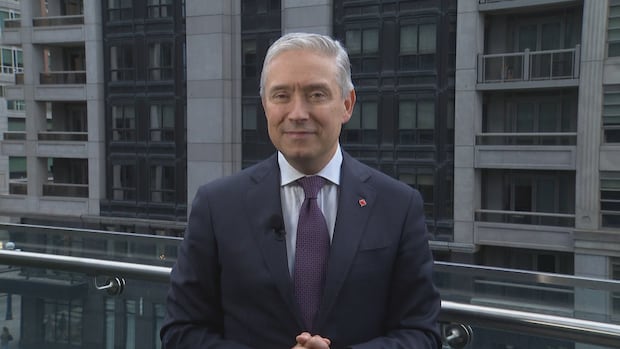
Canada wants to ‘modernize’ major airports with private investment: minister
No ‘blank cheque’
John Gradek, a faculty lecturer in aviation management at McGill University in Montreal, said the unions raise legitimate concerns about wages, given the profit motive for private operators.
He said travellers can expect to see more luxury goods and expensive food as well.
But he said private equity funding can also drive airport improvements without relying on public debt, while offering an attractive opportunity to Canadian public sector pensions — which already invest in airports overseas.
Gradek said enough countries have experimented with private investment in airports that Canada now has the opportunity to learn from the “successes and failures around the world.”
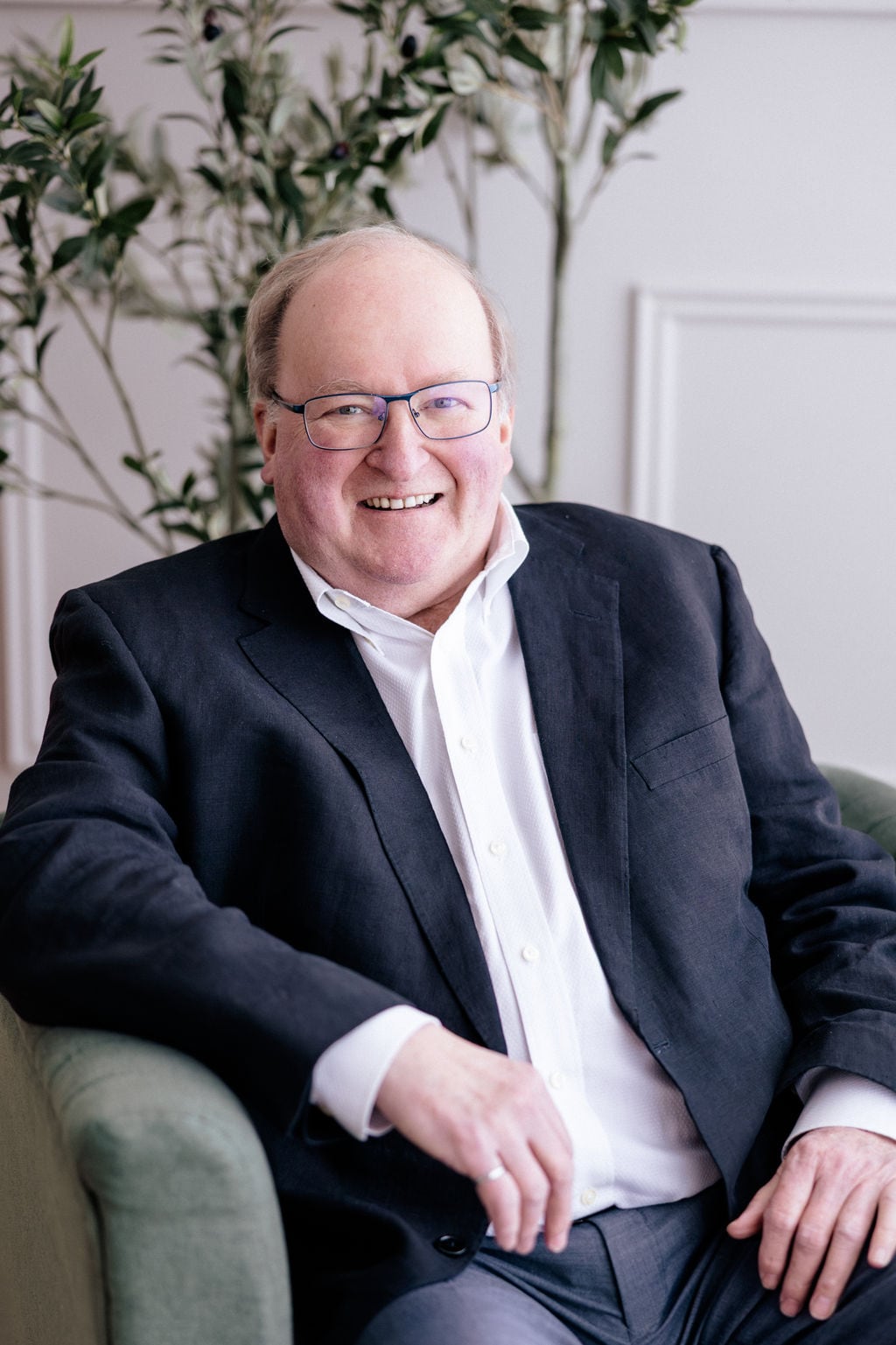
McGill University aviation management expert John Gradek said an effective regulator will be necessary if Canada wants to successfully invite investment into the nation’s airports. (Submitted)
The key lesson, he said, is ensuring there is effective regulation.
“They’re going to be maximizing the return they want to get every year,” he said.
“If you give them a blank check in terms of the increases that they get from various charges and various fees, they’ll try to maximize it.”
Gradek said Australia saw double-digit fee hikes over a period of several years when it failed to adequately regulate private operators during its own privatization effort in the early 2000s.
Speaking at an aviation conference in early October, Transportation Minister Steven MacKinnon said Ottawa would “regulate through contract” to ensure “fee moderation” among private operators.
MacKinnon did not say if the plan would include across-the-board caps on landing fees and other charges, or if they would be imposed on a deal-by-deal basis.
Ottawa has yet to reveal a timeline for inviting private investment in any of the four major airports, or details about who the potential operators would be.