
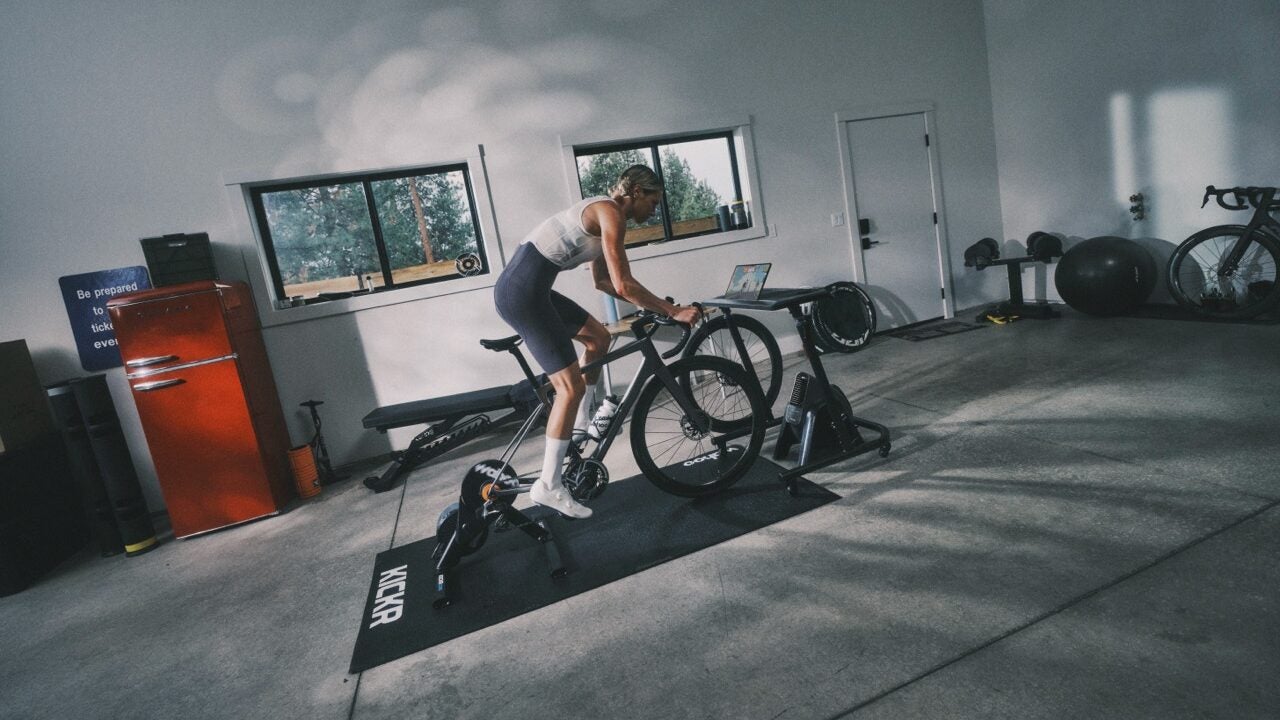
Haley Smith and Andrew L’Esperance share how they train indoors through a Canadian winter
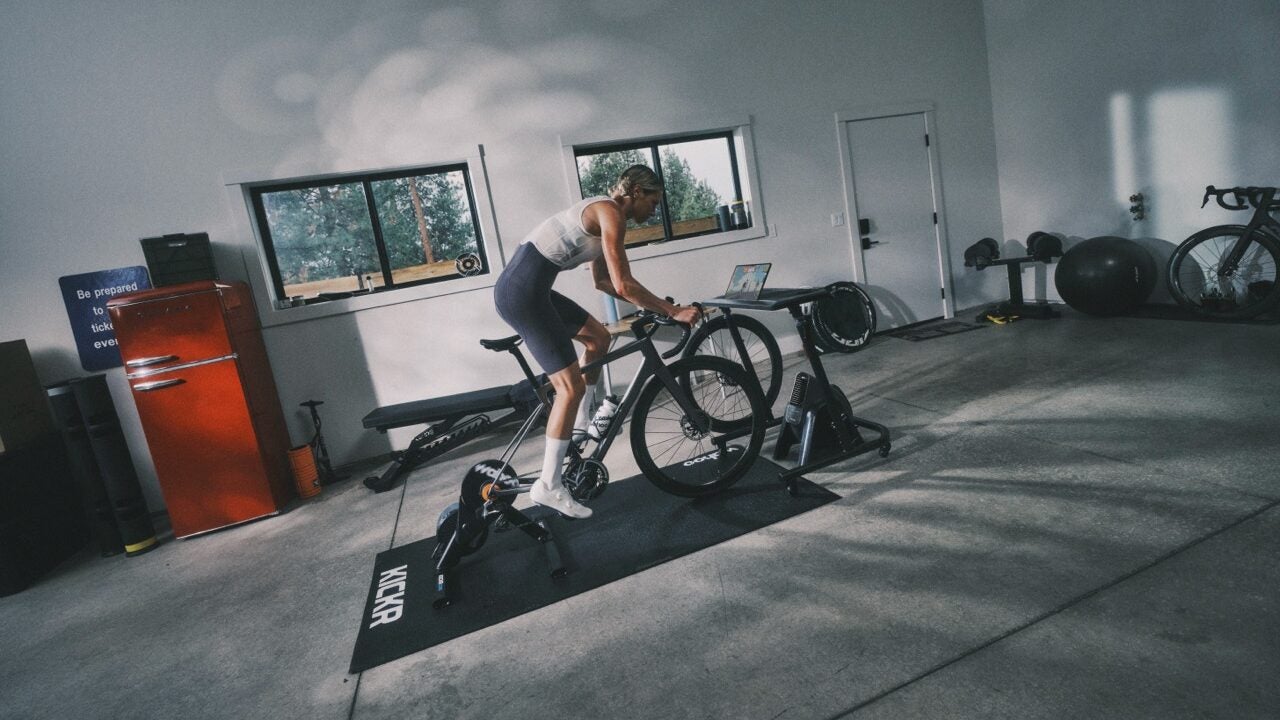
KICKR CORE 2 (Photo: Wahoo)
Published November 10, 2026 04:01PM
If you live in a climate that buries the roads for months at a time, an indoor trainer becomes a major part of preseason training. Just ask Haley Smith and Andrew L’Esperance. The two elite off-road racers—partners on and off the bike—have dialed their indoor setups and workouts for head-of-the-pack performance. At the center of it all are the Wahoo KICKR CORE 2 and the KICKR V6—trainers designed to guide athletes through indoor-to-outdoor transitions with smart features, connectivity, and accessories.
Outside: What’s your go-to indoor training workout?
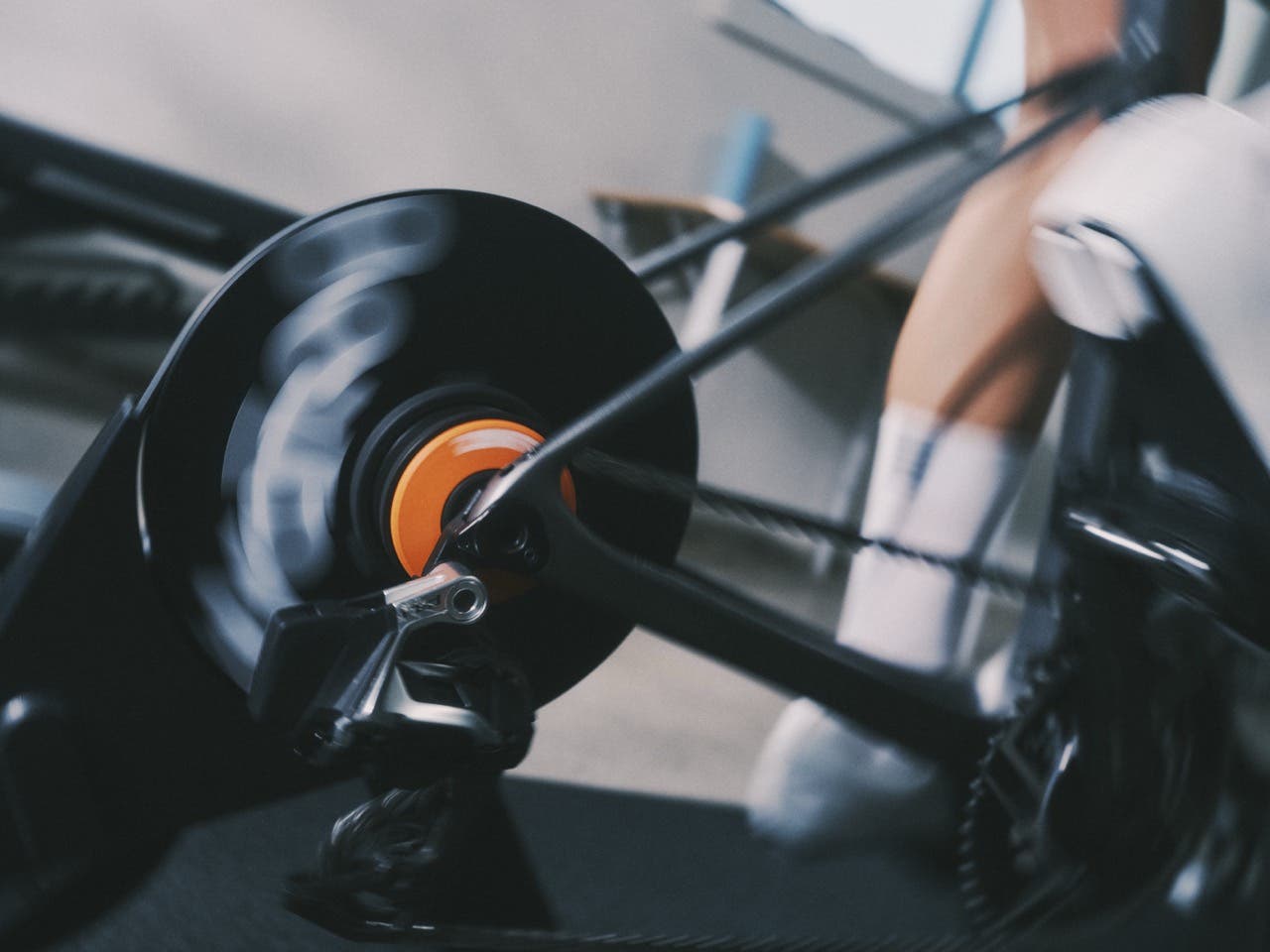
Haley Smith: My indoor workouts are very targeted and optimized: zero junk miles and a high degree of specificity. It’s really common for me to do a large volume of intensity work in a relatively short ride. Torque or muscular endurance work, threshold blocks, and over/unders are frequent indoor rides for me. The KICKR V6 and the ability to toggle between trainer settings on my head unit make it all possible. (Typically, I’m running the ELMNT Roam 3.) I can adjust the trainer difficulty, turn erg mode on or off, and follow planned workouts right from the head unit without needing to fire up a third-party app. Wahoo plays nicely with third-party platforms, so I’ll often use those for variety and visual stimulus/boredom busters.
 (Photo: Wahoo)
Andrew L’Esperance: Either a block of high zone 2, lactic threshold 1 (LT1) work, or a version of over/unders. For the high zone 2 work, I would do 20-to-30-minute blocks and four to eight repeats, depending on the time of year and length of workout. For over/unders, I start with one minute “over” and three minutes “under,” and adjust my recovery time and intensity based on the time of year and goal of the session.
What are some of your favorite indoor training tools?
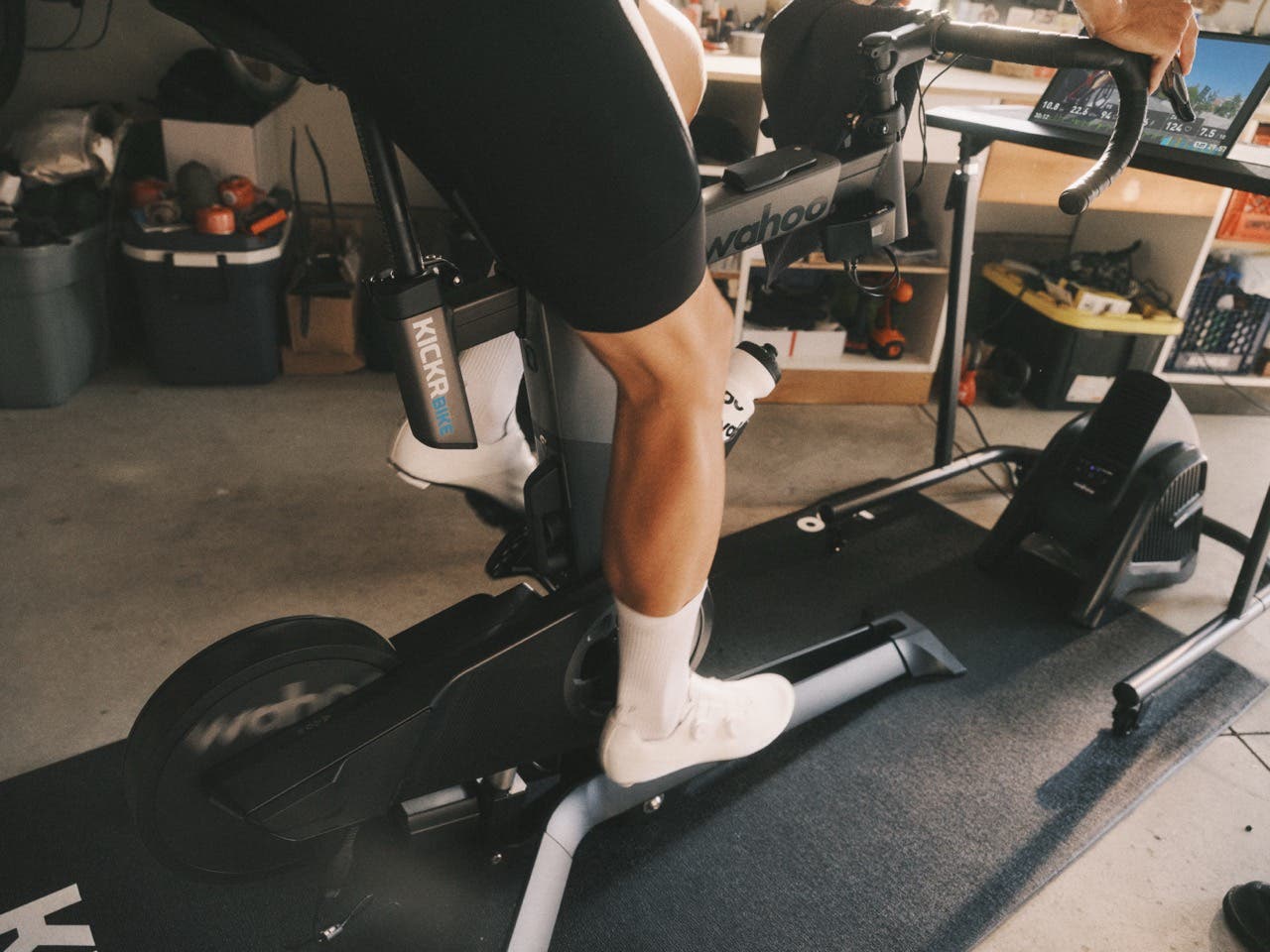
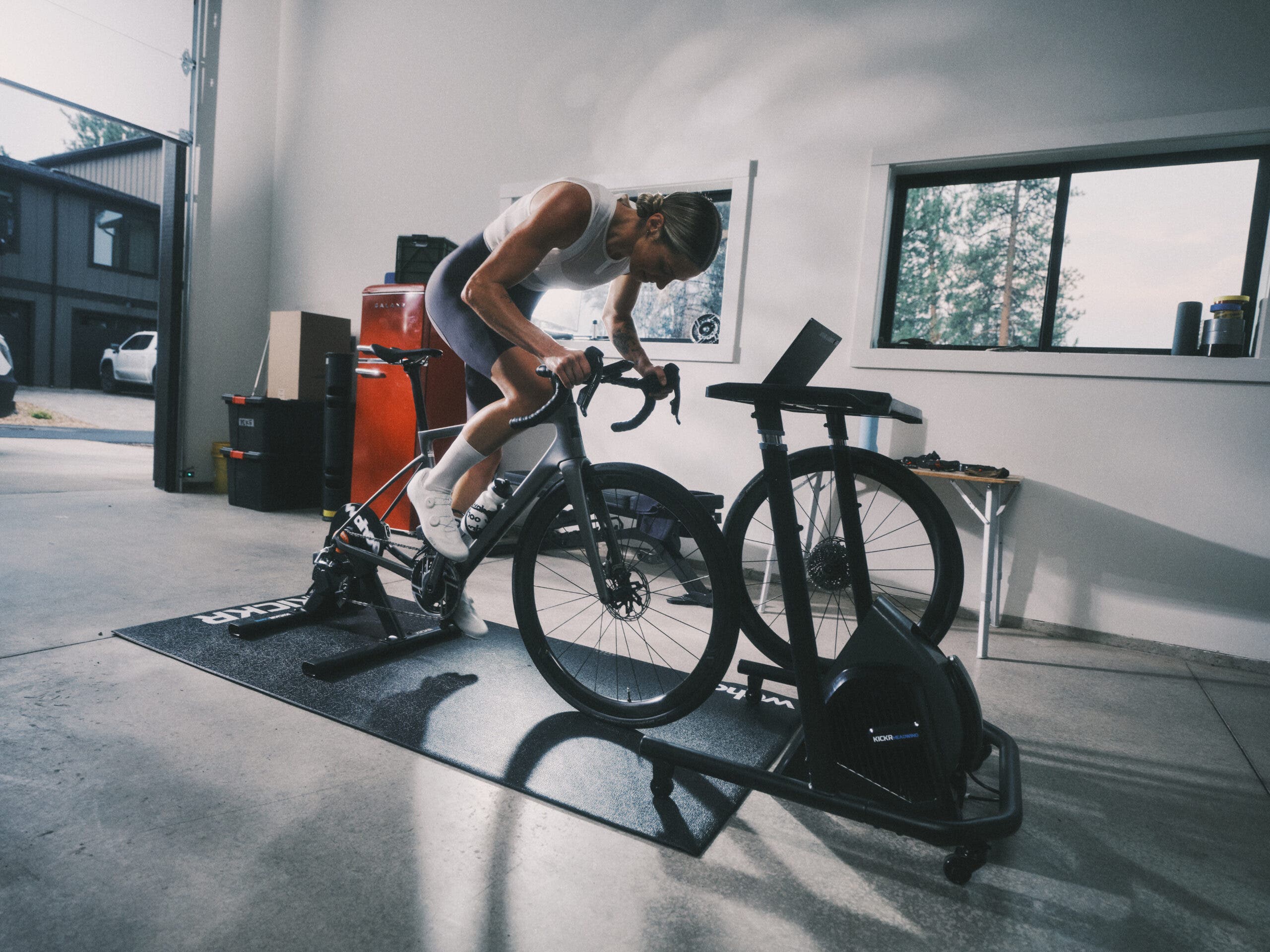
Smith: The KICKR V6 is my favorite indoor training tool—it’s the main event! But a hugely underrated piece of equipment has to be the KICKR Desk. It’s one of those pieces that, before owning, I would have labeled as “nice to have but not necessary.” Now, I am totally dependent on it. Being able to roll the table back and forth and easily adjust the height makes trainer rides so much more enjoyable and practical. No more using a janky bedside table with textbooks stacked to get my laptop at the right height. And the little stabilizing troughs for books or my phone is a nice touch.
 (Photo: Wahoo)
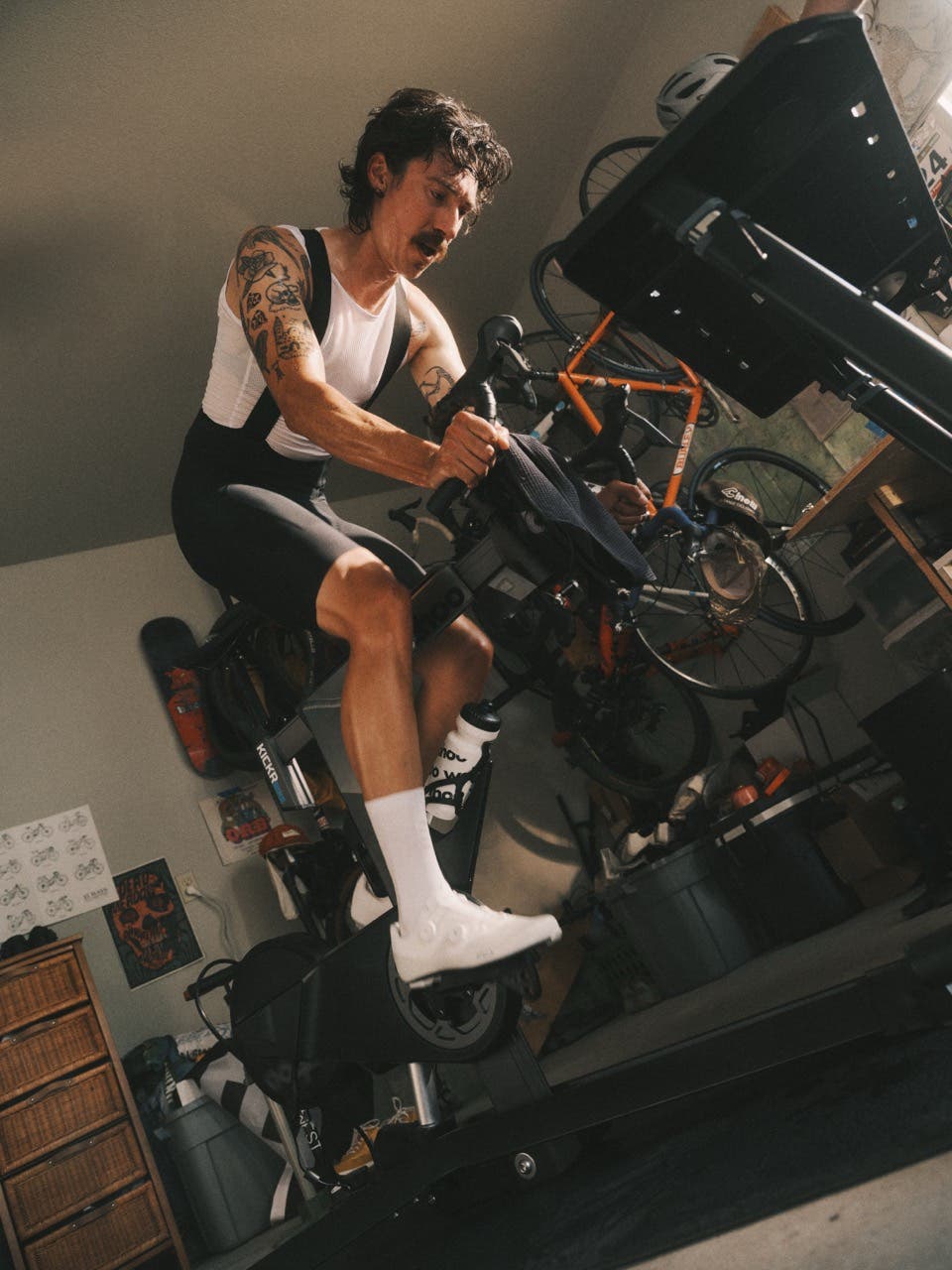
L’Esperance: The KICKR CORE 2—it’s the base of my whole system. During the shoulder and winter seasons, it helps me keep my training consistent, engaging, and effective no matter the weather. The other pieces I can’t live without are the KICKR Desk and KICKR Headwind. I really wasn’t expecting them to be such a key part of the setup, but they certainly enhance the experience. Everything I need is within reach on the desk, and the Headwind offers adjustable cooling during my workouts. I don’t even need to get off the bike.
Do you and Andrew ever do indoor training workouts together?
Smith: All the time! We’re not usually doing the same workout, though the flavor is often the same, but our trainers are set up in the basement on either side of our squat rack. We aim to ride at similar times, which helps with motivation and mobilizing energy to get the work done. It’s nice to have a partner in your suffering, and then we can also provide each other feedback and encouragement on form, effort, etc. We’ll often put the sound system on and turn the basement into a bit of a dance club on the trainers.
 (Photo: Wahoo)
Now that you’re focusing on longer-distance events, how has your indoor training changed?
L’Esperance: It hasn’t changed significantly since focusing on endurance MTB and gravel events. However, I have refined how I use the indoor trainer. I try to do a maximum of three to four indoor sessions per week throughout the “indoor season.” I keep the sessions structured and focused and make sure the indoor trainer never becomes a grind. In the winter, I’ll also get outside for basic endurance building by running, fat-biking, hiking, and ski-touring. I love moving outside in nature as part of training, and the indoor trainer cannot fully replicate that for me, so that balance is important.
How does indoor training help you meet the demands of off-road racing?
Smith: One of the major differences between XCO MTB, which we used to do, and the longer endurance-style racing we currently do is the steady, uninterrupted pressure on the pedals for extended periods of time. There’s less descending and coasting than there is in XCO, and a lot more constant pedaling at high loads. Indoor training gets rid of things like stoplights and prolonged descents, so we naturally get that steady pressure. It’s not uncommon to have fewer than two to three minutes at less than 100W (that is, fewer than two to three minutes of coasting) in an entire indoor trainer ride. This is both superefficient and very specific to the demands of our racing.
L’Esperance: The endurance off-road racing space is becoming more and more competitive, and starting quite early in the year. Events like BWR AZ, Cape Epic, and Santa Vall are in February and March, so the indoor trainer is an essential race prep tool if you live in a winter climate. The indoor trainer actually allows me to prepare better for these events because of the quality work I can get done.
Located in Atlanta, Georgia, Wahoo Fitness has a vision to be a global leader in smart fitness and training by creating a full ecosystem of software, sensors, devices, data, and performance insights for runners, cyclists, triathletes, and other competitive endurance athletes and fitness enthusiasts. Learn more about Wahoo’s full line of products and apps at WahooFitness.com.